
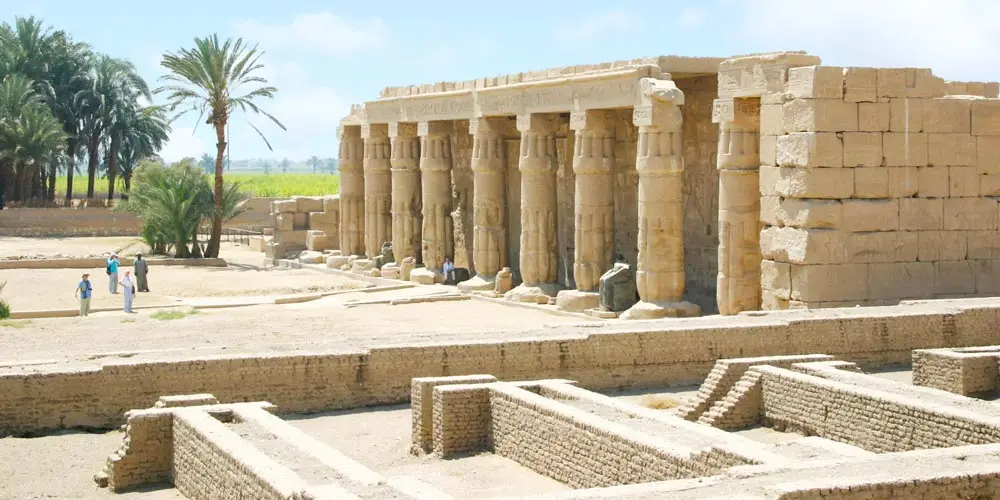
Located roughly 3 hours north of Luxor along the western banks of the Nile, Abydos is one of ancient Egypt's most sacred archeological landscapes. Functioning for millennia as the primary cult center for Osiris—the pharaonic god of the underworld, resurrection, and afterlife judgment—Abydos served as a major pilgrimage site where pharaohs built grandiose mortuary complexes to guarantee their eternal rebirth.
For travelers seeking to escape the dense tour crowds of Luxor and experience some of the finest, most remarkably preserved relief carvings in all of Egypt, this comprehensive Abydos Temple guide covers history, key architectural features, and practical visiting logistics.
The Sacred History of Abydos
Abydos holds a legendary status in Egyptian mythology. According to ancient tradition, it was at Abydos that Isis gathered the scattered body parts of her murdered husband, Osiris, and resurrected him. Consequently, ancient Egyptians believed Abydos marked the entrance to the underworld (Duat).
-
Royal Burial Ground: Dating back to the Early Dynastic Period (Dynasties 1 and 2), Egypt's earliest pharaohs—including King Narmer—were buried in the desert necropolis of Umm El-Qa'ab at Abydos.
-
The Center of Pilgrimage: By the New Kingdom, every Egyptian hoped to make a pilgrimage to Abydos during their lifetime or have a commemorative stela erected there to ensure safe passage into the afterlife.
Must-See Highlights at Abydos
1. The Great Temple of Seti I
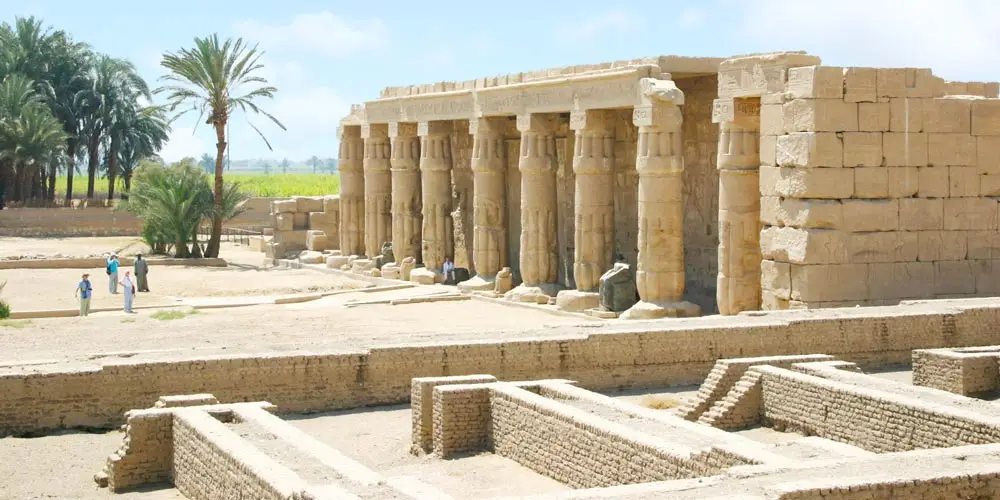
The centerpiece of Abydos is the magnificent mortuary temple built by Pharaoh Seti I and completed by his son, Ramses II. Built from fine white limestone, its interior relief carvings are widely considered the highest artistic achievement of the New Kingdom.
-
The Hypostyle Halls: Step inside two massive hypostyle halls supported by 36 papyrus-bud columns. The vibrant wall reliefs—retaining their original ancient pigments—depict Seti I making offerings to various deities with extraordinary fine detail.
-
The Seven Inner Chapels: Uniquely designed with seven parallel vaulted sanctuaries dedicated to Seti I himself and six major gods: Osiris, Isis, Horus, Amun-Ra, Ra-Horakhty, and Ptah.
2. The Famous Abydos King List
Located in a long corridor off the inner hypostyle hall, the Abydos King List is one of the most significant historical documents ever discovered in Egypt.
-
Historical Record: Carved into the stone wall, Seti I and his young son Ramses II are depicted reading a chronological list of 76 past pharaohs—starting from Menes (Narmer) down to Seti I.
-
Political Editing: The list provides vital royal chronology while deliberately omitting "illegitimate" or controversial rulers such as Hatshepsut, Akhenaten, and Tutankhamun.
3. The Mysterious Osireion
Located directly behind the main Temple of Seti I, the Osireion is a subterranean megalithic monument built to represent a symbolic tomb for Osiris.
-
Megalithic Architecture: Built using massive, monolithic granite pillars reminiscent of Old Kingdom valley temples, it features a central island surrounded by a deep water channel fed by natural subterranean Nile springs.
-
Submerged Sanctuary: While visitors generally look down onto the structure from the upper temple platform, its imposing scale and mysterious water-filled central chamber create a dramatic visual impact.
4. The Temple of Ramses II
A short 5-minute walk from Seti I's temple sits the smaller, partially ruined Temple of Ramses II. Though smaller in scale, its surviving courtyard walls retain exceptionally bright, vivid paint depicting scenes from the famous Battle of Kadesh.
How to Visit Abydos: Logistics and Day Trips
-
Combine with Dendera: The single best way to visit Abydos is to pair it with a tour of the Temple of Hathor at Dendera on a full-day road trip originating from Luxor (approx. 8 to 9 hours total duration).
-
Transportation Options: Hire a private air-conditioned vehicle with a professional driver, or book an organized small-group day excursion through a reputable tour operator in Luxor.
-
Best Time of Day: Depart Luxor early in the morning (around 7:00 AM) to reach Abydos by mid-morning, ensuring you explore the covered hypostyle halls in comfortable lighting before returning south.
Final Thoughts
Following a detailed Abydos Temple guide unlocks access to an off-the-beaten-path masterpiece. With its vibrant wall carvings, historical King List, and deep mythic connection to Osiris, visiting Abydos is an unforgettable journey into the spiritual heart of ancient Egypt.