
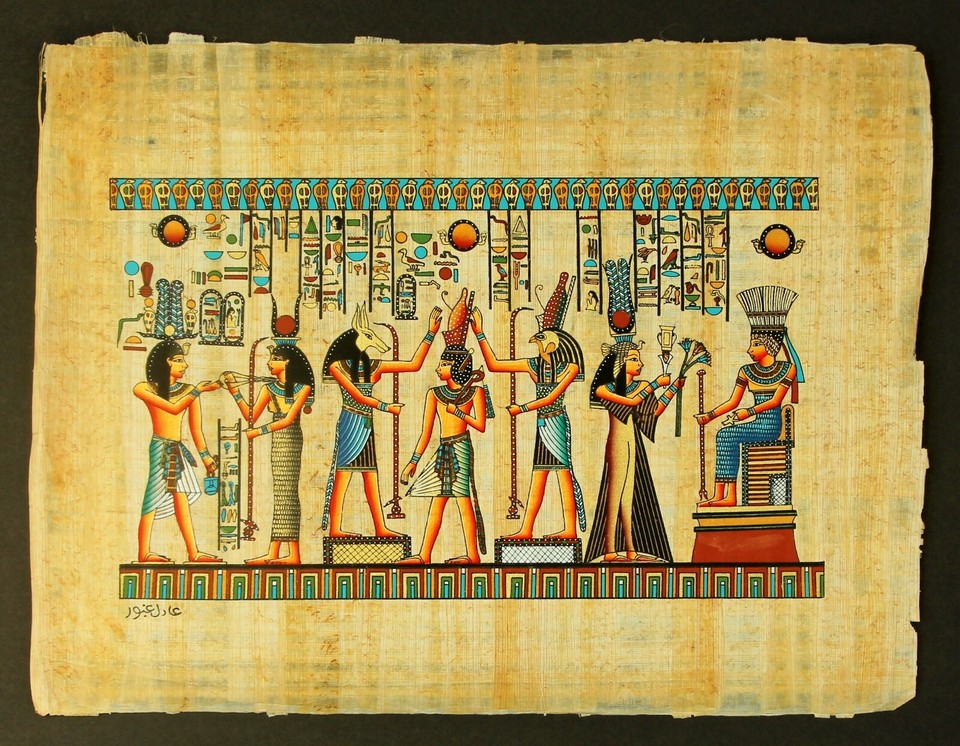
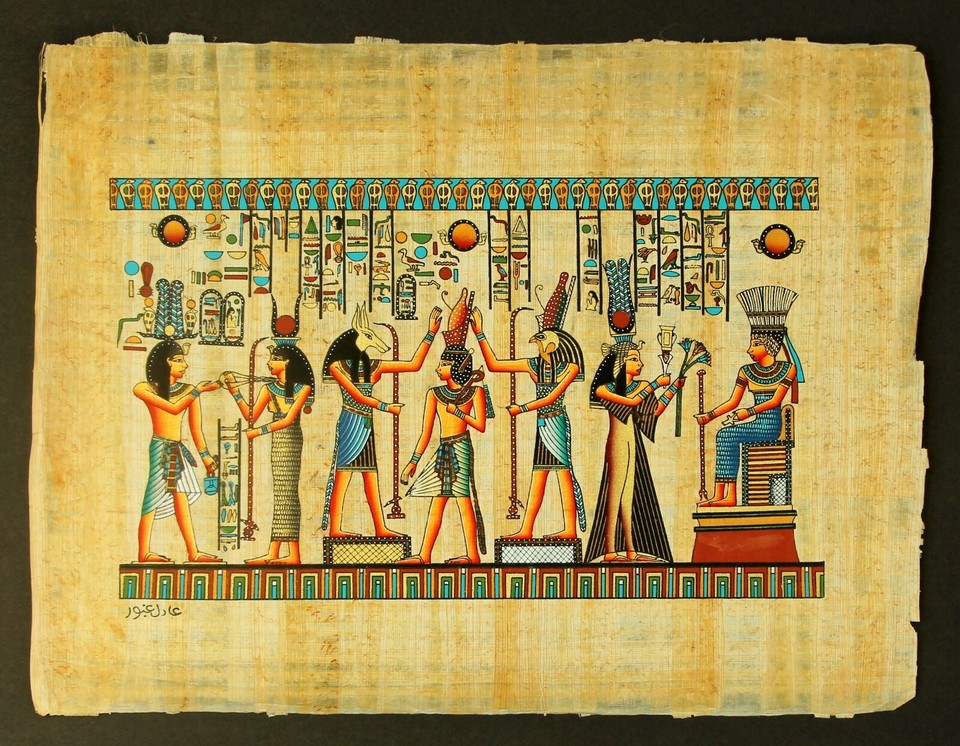
Papyrus is one of Egypt's most historic souvenirs. Invented by the ancient Egyptians over 4,000 years ago, genuine papyrus is made from the fibrous stalks of the Cyperus papyrus sedge plant, hand-sliced into thin strips, layered in a perpendicular crosshatch, and pressed into durable sheets.
However, over 90% of the cheap "papyrus" sold on street corners, souvenir stalls near the Pyramids, and basic market bazaars is completely fake—usually made from dried banana leaves, sugarcane pulp, or cheap machine paper treated with artificial yellow dye.
Here is a complete guide on how to test papyrus authenticity, spot common scams, recognize fair pricing, and buy genuine hand-painted art confidently.
4 Quick Tests to Spot Authentic Papyrus vs. Banana Leaf Fakes
Before paying for a piece of papyrus art, perform these straightforward physical tests right in front of the seller:
1. The Light Test (The Most Reliable Indicator)
Hold the sheet directly up against a strong light source (the sun, a lightbulb, or your phone’s flashlight).
-
Authentic Papyrus: You will see a clear, crisscross woven lattice pattern consisting of both vertical and horizontal overlapping fibers. The natural plant strands will vary slightly in width, color, and opacity.
-
Fake (Banana Leaf): You will only see parallel vertical lines. Banana leaves lack the secondary horizontal layer required to form a true crosshatch weave.
2. The Bend and Flex Test
Gently flex or roll a corner of the sheet.
-
Authentic Papyrus: Highly durable, flexible, and resilient. You can roll a real papyrus sheet tightly into a tube, and it will spring back flat without cracking, tearing, or creasing.
-
Fake (Banana Leaf): Brittle and dry. Banana leaf fakes will crack, snap along the fold line, or crease permanently when flexed.
3. The Texture and Residue Test
Run your fingers across the unpainted surface.
-
Authentic Papyrus: Feels slightly rough, fibrous, and organic—similar to fine linen or canvas. It leaves no powder on your hands.
-
Fake (Banana Leaf): Feels either unnaturally smooth, stiff, waxy, or plasticky. Chemical-treated fakes often leave a chalky, powder residue or flaking paint on your fingers.
4. Artwork Inspection (Hand-Painted vs. Screen-Printed)
Inspect the painted design carefully under good lighting.
-
Hand-Painted: Authentic artwork uses gouache, tempera, or oil paints applied by hand with visible brushstrokes, subtle paint texture, and slight variations between individual pieces. Premium options feature hand-applied gold leaf details.
-
Screen-Printed: Fake or cheap souvenirs use mass-produced factory screen-printing or digital ink. If every line is mechanically perfect, smooth, and flat with dot-matrix ink patterns, it is a cheap print rather than authentic artwork.
Fair Price Expectations for Genuine Papyrus
Authentic papyrus requires labor-intensive harvesting, soaking, pressing, and hand-painting. If a vendor offers you a large "papyrus" painting for $2 to $5 USD, it is guaranteed to be printed banana leaf.
-
Small Pieces (approx. 20×30 cm / A4 size): $15 – $30 USD (includes hand-painted artwork or personalized hieroglyphic names).
-
Medium Pieces (approx. 30×40 cm): $30 – $60 USD.
-
Large Masterpieces (approx. 40×60 cm or larger): $70 – $180+ USD (intricate historical scenes with gold leaf details).
Where to Buy Genuine Papyrus in Cairo
To ensure you buy high-quality, genuine art with certificates of authenticity, stick to reputable workshops, specialized institutes, and official museum stores:
-
Government-Approved Papyrus Institutes: Located primarily along the Pyramids Road in Giza or near major historic sights. Reputable institutes demonstrate the ancient step-by-step manufacturing process on-site before you browse.
-
The Dr. Ragab Papyrus Museum & Institutes: Established by the diplomat who rediscovered the ancient papyrus-making technique in the 1960s, providing certified museum-quality artwork.
-
The Egyptian Museum Gift Shop: Offers verified, authentic reproductions of pharaonic scrolls and wall art.
-
Ramses Wissa Wassef Art Centre: Renowned for supporting local artisans and high-grade traditional Egyptian art.
Essential Packing and Transport Tips
-
Use Heavy-Duty Cardboard Tubes: Never fold or pack papyrus flat inside checked suitcases. Reputable shops will provide a sturdy, plastic-capped cardboard tube for rolling and transporting your scroll safely inside carry-on luggage.
-
Framing Advice: When framing papyrus at home, frame it under glass and leave the natural, fibrous, un-cut edges exposed outside the matting—showing these raw edges emphasizes its authentic hand-crafted quality.
Buying authentic papyrus in Egypt serves as a lasting connection to ancient history. By holding sheets up to the light to verify the crosshatch weave, checking for hand-painted brushwork, and purchasing from established workshops, you ensure your keepsake is genuine plant papyrus crafted to endure for decades.