
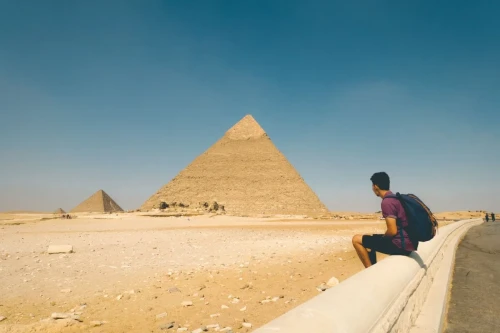
Exploring the land of the Pharaohs on a shoestring budget is one of the most rewarding adventures a independent traveler can experience. From the sprawling energy of Cairo to the timeless monuments along the Nile and the relaxed coastal vibe of the Red Sea, traveling independently allows you to stretch your currency remarkably far. This comprehensive backpacking Egypt guide breaks down daily budgets, local transit hacks, budget accommodation strategies, and essential money-saving tips to help you navigate Egypt affordably and confidently.
Daily Costs and Estimating Your Budget
Egypt remains one of the most cost-effective travel destinations in the world for backpackers due to favorable exchange rates. On average, budget travelers can comfortably navigate the country on $30 to $50 USD per day.
-
Hostel Dorm Bed: $8 – $16 USD per night
-
Budget Private Room: $18 – $35 USD per night
-
Street Food & Local Eateries: $6 – $12 USD per day
-
Public Transportation: $2 – $6 USD per day
-
Site Entrance Fees: $10 – $20 USD per major attraction
Keeping cash on hand in Egyptian Pounds (EGP) is crucial for street food stalls, small taxis, and tipping, while credit cards are widely accepted for official monument entrance fees and major bookings.
Best Low-Cost Accommodation Options
Finding affordable lodging across major Egyptian cities is straightforward, with a growing network of vibrant, community-focused hostels and local guesthouses.
-
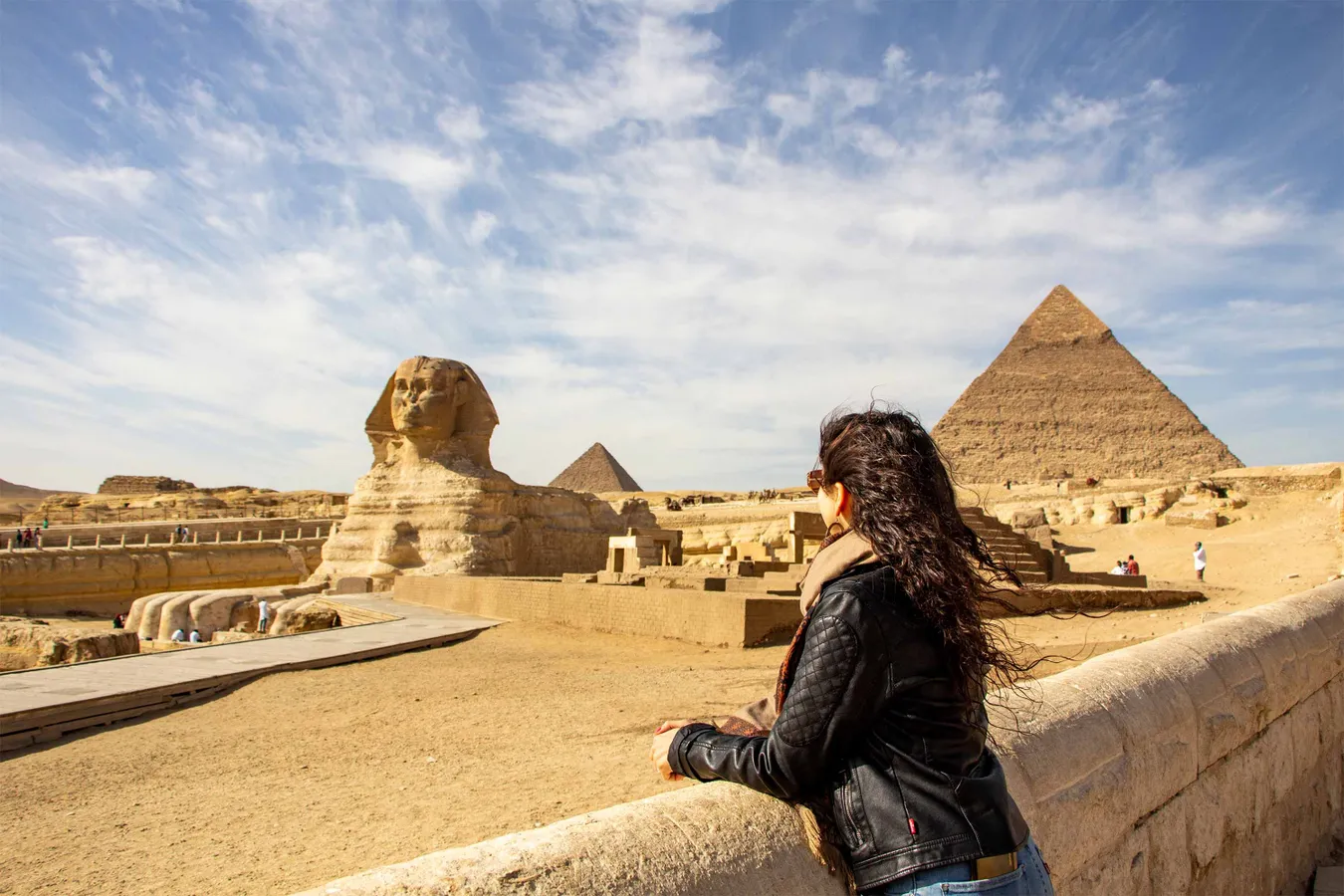
Cairo: Focus on hostels in Downtown Cairo (Wust El Balad) for cheap dorms, historic atmosphere, and proximity to the Egyptian Museum and Metro line. For iconic views, search for budget rooftop guesthouses in the Giza district overlooking the Pyramids.
-
Luxor: Look for family-run guesthouses on the West Bank of the Nile. They are quieter, cheaper, and provide easy access to the Valley of the Kings via a inexpensive public ferry ride across the river.
-
Aswan: Opt for Nubian guesthouses on Elephantine Island or traditional hostels along the East Bank Corniche.
-
Dahab: Located on the Sinai Peninsula, Dahab is Egypt's ultimate backpacker haven. It features oceanfront budget camps, cheap dorms, and low-cost seaside cafes.
Navigating Egypt on a Shoestring Transit Budget
Getting around Egypt without overspending relies on leveraging public transit and long-distance trains instead of private tours or domestic flights.
-
Overnight Express Trains: Taking the train between Cairo, Luxor, and Aswan is significantly cheaper than domestic flights or tourist sleeper trains. Standard seated express trains offer air-conditioned second-class tickets at a fraction of the cost.
-
Long-Distance Buses: Companies like Go Bus offer reliable, comfortable, and highly affordable intercity coach services linking Cairo to Red Sea destinations like Hurghada, Sharm El Sheikh, and Dahab.
-
Microbuses and Metro: In Cairo, the underground Metro network is fast, safe, and extremely cheap, allowing you to bypass city traffic. Local minivans (microbuses) operate defined routes across cities for change money.
-
Ride-Hailing Apps: Use Uber or InDrive in Cairo and Alexandria to secure upfront pricing and avoid price negotiations required with traditional street taxis.
Eating Well for Dollars: Local Street Food
Egyptian cuisine is naturally friendly to budget travelers and vegetarians, relying heavily on legumes, rice, vegetables, and fresh bread.
-
Koshari: Egypt's national dish is a hearty combination of rice, macaroni, lentils, chickpeas, crispy fried onions, and spicy tomato sauce. A massive bowl from a dedicated street stall costs around $1 to $2 USD.
-
Ta'ameya (Egyptian Falafel): Made from crushed fava beans rather than chickpeas, served hot in fresh Aesh Baladi (pita bread) with tahina and salad for under $1 USD.
-
Ful Medames: Slow-cooked fava beans seasoned with olive oil, cumin, and lemon juice—the ultimate cheap, filling breakfast.
-
Shawarma and Kebda: Street-side pita sandwiches stuffed with spiced beef, chicken, or Alexandrian liver provide quick, affordable protein hits.
Must-Visit Budget Route for Backpackers
Follow this classic route to experience Egypt's top highlights over 10 to 14 days without overspending:
-
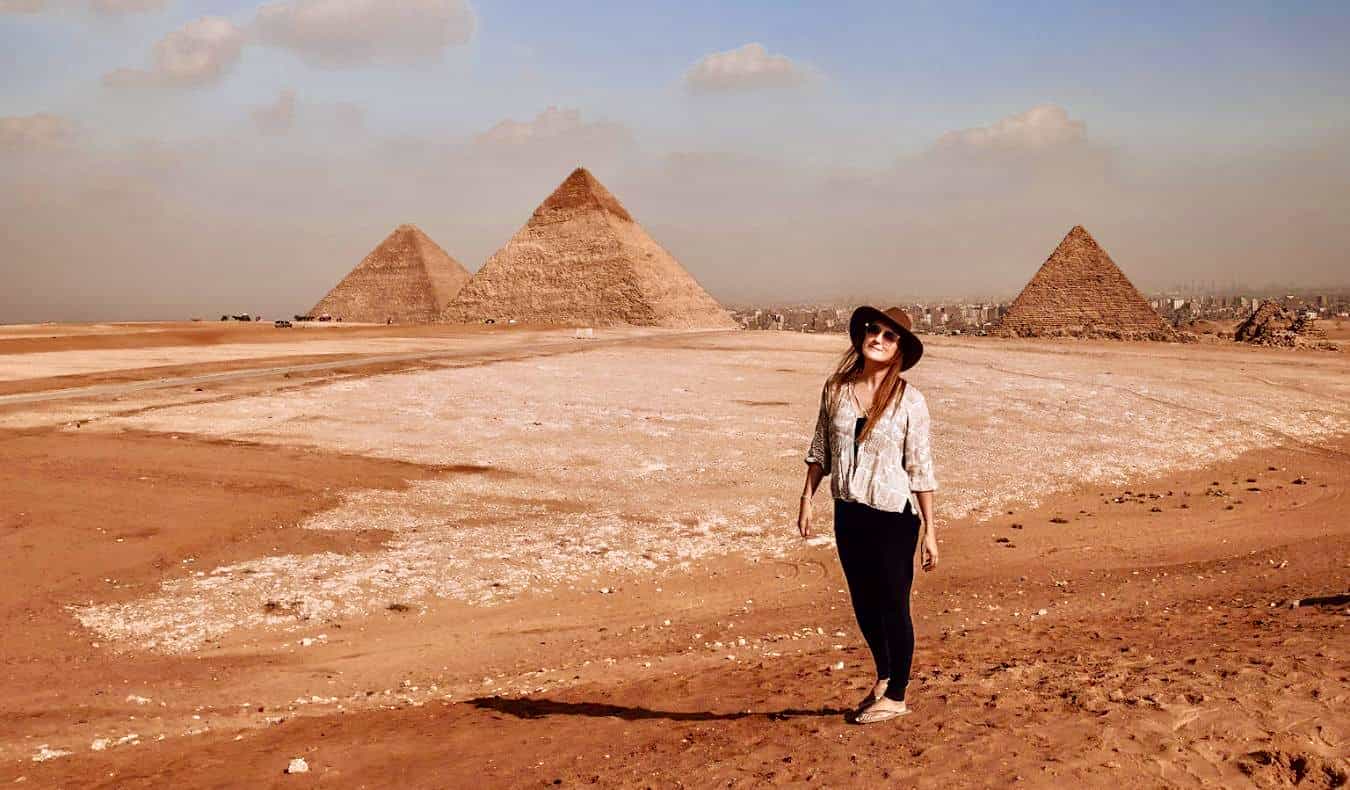
Cairo (3 Days): Explore the Giza Pyramids independently, visit the Grand Egyptian Museum, stroll through Islamic Cairo, and browse the Khan El-Khalili bazaar.
-
Aswan (2 Days): Take an overnight train south. Explore the spice souk, take a public ferry to Elephantine Island, and hire a local captain for a shared sunset felucca sailboat ride.
-
Luxor (3 Days): Travel by local train from Aswan. Rent a cheap bicycle to explore the West Bank tombs, Karnak Temple, and Luxor Temple.
-
Dahab (4 Days): Take an intercity bus across to the Sinai Coast to relax, hike Mount Sinai at sunrise, and snorkel the Blue Hole directly from the shore.
Crucial Money-Saving Hacks for Egypt
-
Carry a Valid Student ID: International Student Identity Cards (ISIC) grant a 50% discount on official entrance fees across almost all historical sites and museums in Egypt.
-
Master Small Tipping (Baksheesh): Tipping is deeply rooted in local culture. Keep small bills accessible in your pockets so you can tip bathroom attendants, luggage handlers, or temple guards without pulling out large notes.
-
Skip Pricey Organized Day Tours: Most major monuments in Cairo, Luxor, and Aswan can be accessed independently using local transit, rideshare apps, or shared minibuses rather than booking expensive pre-packaged tours.
-
Buy Local SIM Cards at the Airport: Pick up an Egyptian SIM card (Orange, Vodafone, or Etisalat) upon landing to access affordable mobile data for maps, ride-hailing apps, and translation services.
Following an independent backpacking Egypt guide allows you to strip away expensive tourist bubbles, connect directly with local culture, and experience ancient history on an accessible daily budget.