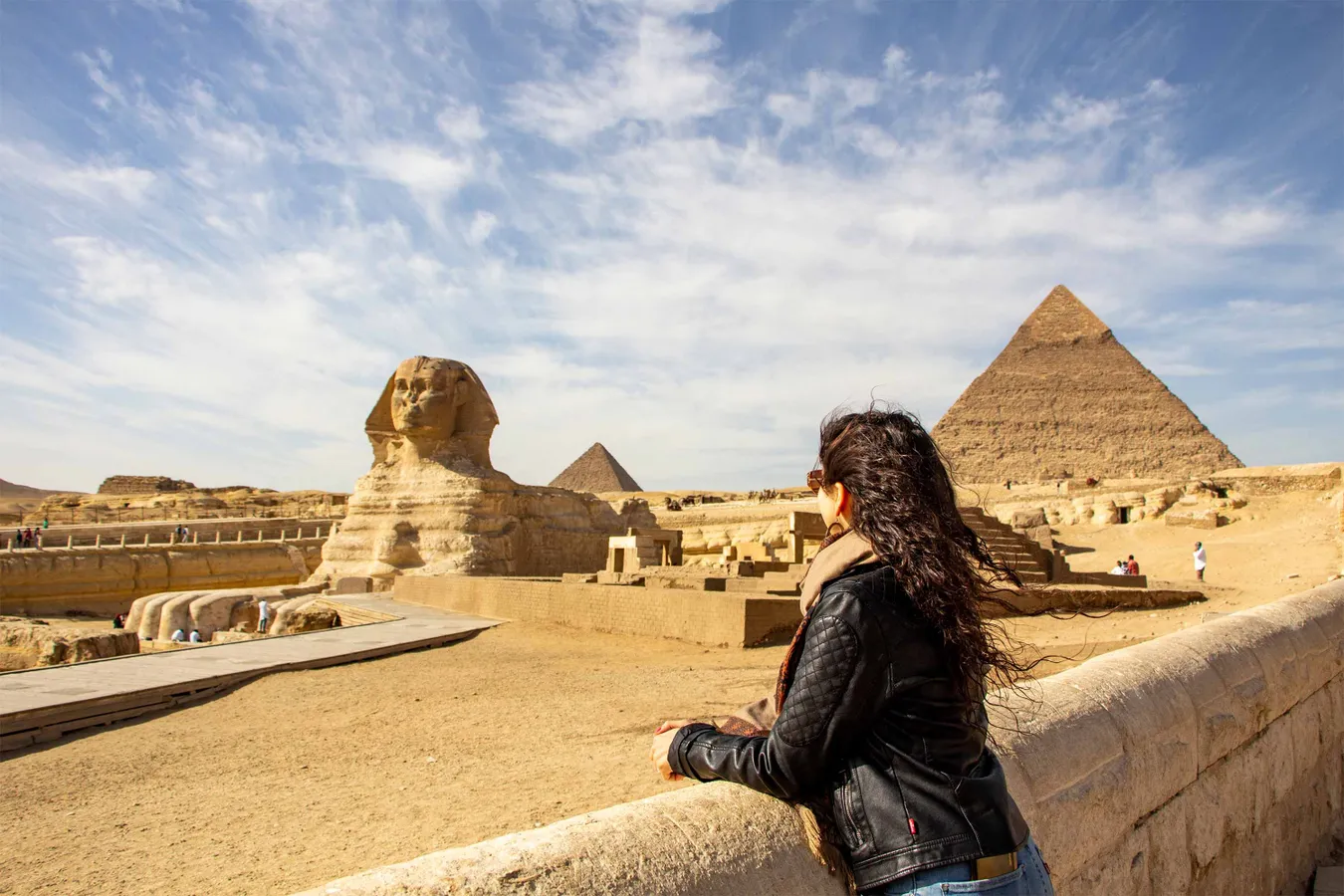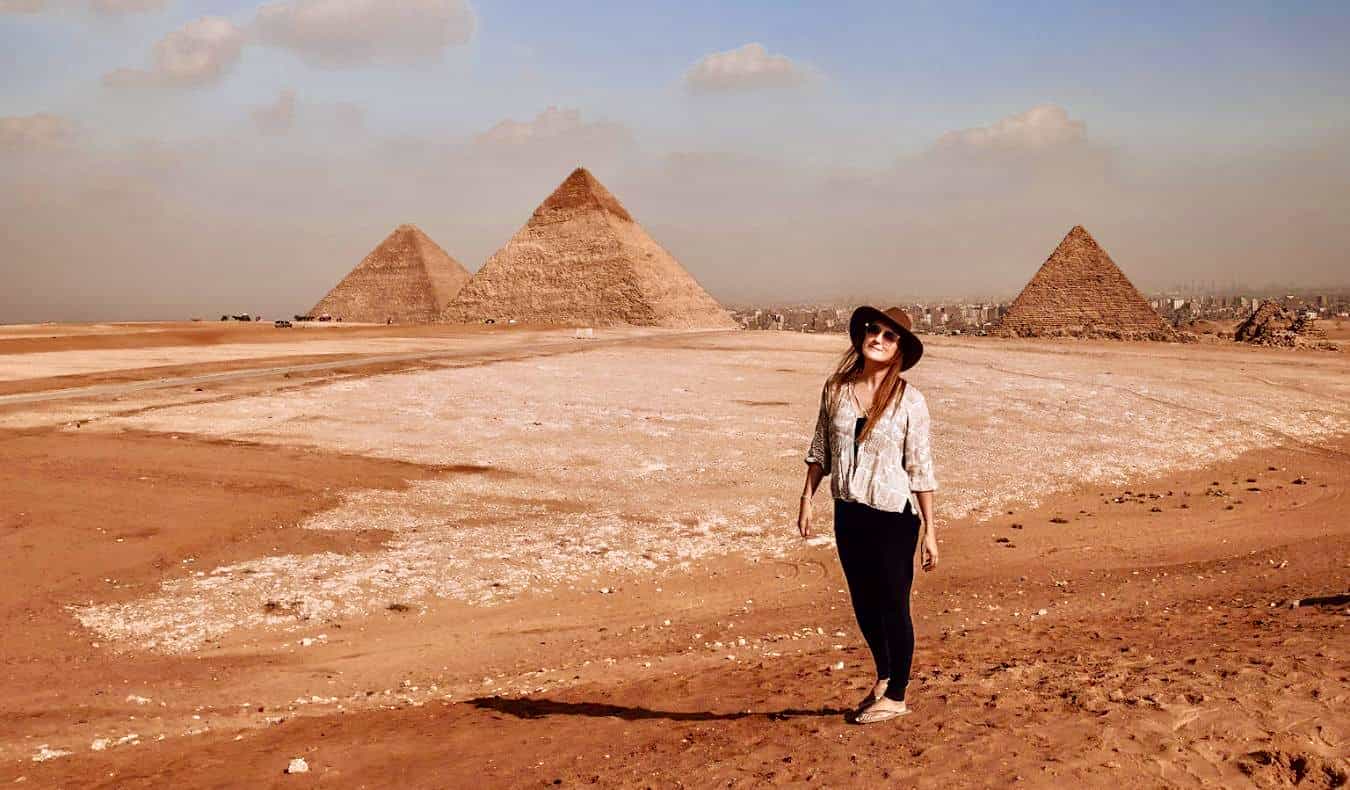

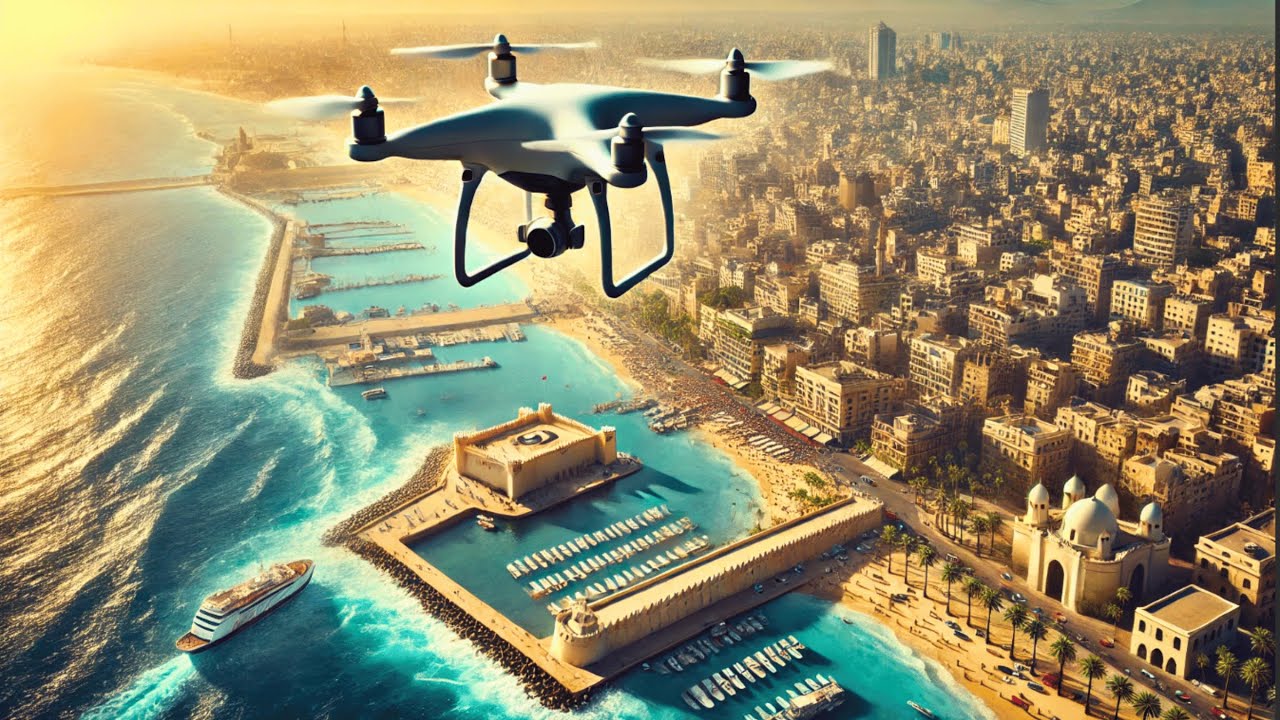
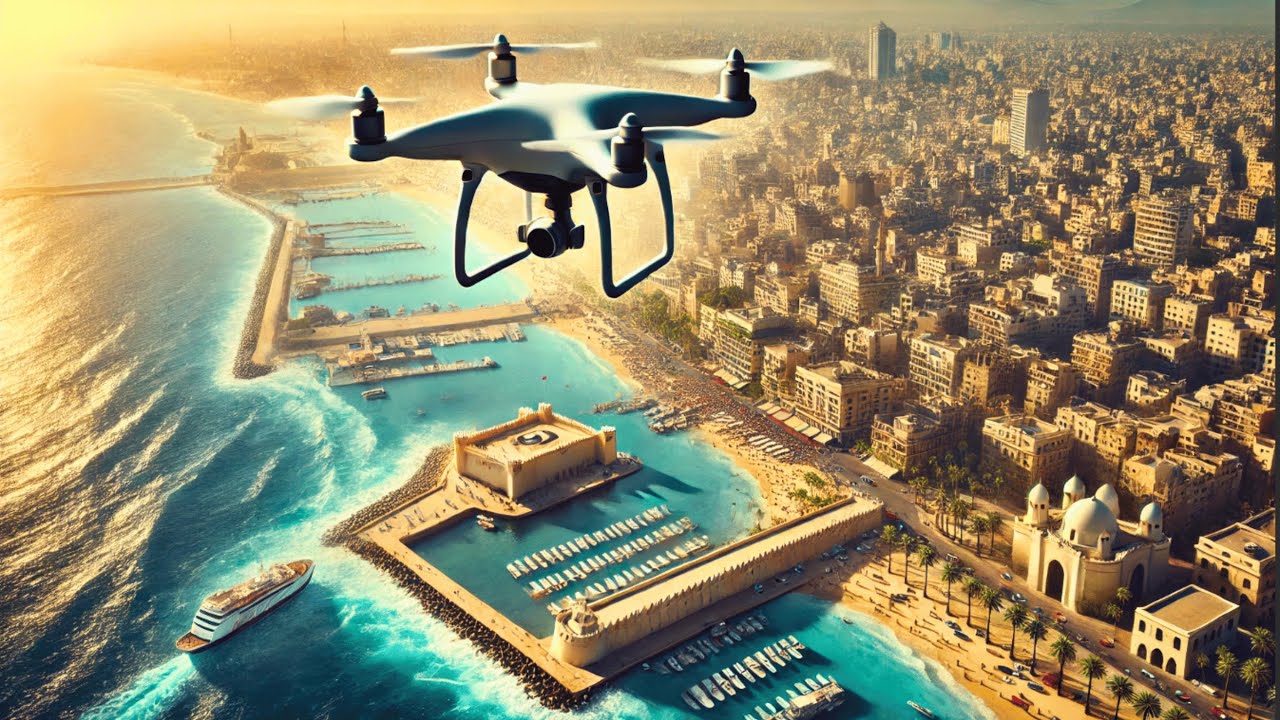
For travel content creators and photography enthusiasts, aerial footage of Egypt’s desert landscapes and ancient monuments seems like a dream. However, when it comes to bringing a drone to Egypt, the country maintains some of the strictest aviation security laws in the world. Attempting to bring an unauthorized unmanned aerial vehicle (UAV) into the country can lead to immediate airport confiscation, heavy fines, or serious legal penalties.
Here is everything you need to know about Egyptian drone legislation, airport customs procedures, and safe alternatives for capturing aerial footage.
The Legal Baseline: Are Drones Allowed in Egypt?
Under Egyptian Law No. 216/2017, the importation, possession, sale, and operation of unmanned aircraft (drones) are strictly prohibited without written authorization from the Ministry of Defense and the Egyptian Civil Aviation Authority (ECAA).
-
Recreational Tourists: Foreign tourists and recreational flyers cannot legally obtain a drone permit. Permits are reserved exclusively for government-approved commercial media productions and licensed local organizations.
-
No-Fly Zones: All historical landmarks (such as the Pyramids of Giza, Luxor, and Abu Simbel), coastal resorts, urban areas, and military or government facilities are strictly off-limits to unauthorized drones.
-
Severe Penalties: Operating an unauthorized drone carries severe legal consequences, including fines up to 50,000 EGP ($1,000+ USD) and potential prison sentences ranging from 1 to 7 years under national security laws.
What Happens at Airport Customs?
Egyptian international airports (including Cairo, Hurghada, Sharm El Sheikh, and Luxor) employ thorough luggage X-ray scanners at both arrival and departure customs checkpoints.
-
Detection: X-ray scanners easily identify drone bodies, gimbals, and remote controllers, regardless of whether they are packed in checked luggage or carry-on bags.
-
Confiscation Procedure: If a drone is detected without an official military permit, customs officials will seize the equipment immediately.
-
Airport Storage: In many cases, customs will issue a formal receipt and hold the drone in a secure airport storage locker for the duration of your stay. You can retrieve it upon departure from the same airport after paying a daily storage fee.
-
Risk of Permanent Seizure: If you attempt to sneak a drone through customs without declaring it or fail to fly out of the same entry airport, you risk permanent forfeiture of the device.
Smart Alternatives for Aerial Shots in Egypt
Because personal drone use is not possible, you can capture breathtaking elevated visuals using legal alternatives:
-
Sunrise Hot Air Balloons: Booking a sunrise hot air balloon ride over Luxor's West Bank offers legal, unobstructed aerial panoramas of the Nile Valley, desert cliffs, and ancient temples.
-
Elevated Viewpoints: Visit high-altitude locations like the Citadel of Saladin in Cairo, high-rise hotel rooftop lounges, or the desert panorama point at the Pyramids of Giza for sweeping wide-angle perspectives.
-
Licensed Stock Footage: Content creators requiring professional aerial B-roll for video projects should purchase licensed footage from local production houses or commercial stock libraries.
Final Thoughts
The safest and most stress-free advice regarding bringing a drone to Egypt is simple: leave your drone at home. Avoiding the risk of airport confiscations, fines, or legal complications allows you to enjoy your Egyptian journey with complete peace of mind.