

 Ahmed Ragaie
Perched high on the limestone hills of Mokattam near central Cairo, the Citadel of Saladin stands as a grand medieval Islamic fortress. Built in the late 12th century by the famous Ayyubid ruler Saladin (Salah ad-Din) to defend the city against Crusader forces, this massive complex served as the seat of the Egyptian government for nearly 700 years.
Visiting the Citadel of Saladin and Mohamed Ali Mosque
Perched high on the limestone hills of Mokattam near central Cairo, the Citadel of Saladin stands as a grand medieval Islamic fortress. Built in the late 12th century by the famous Ayyubid ruler Saladin (Salah ad-Din) to defend the city against Crusader forces, this massive complex served as the seat of the Egyptian government for nearly 700 years.
Today, visiting the Citadel of Saladin Cairo is an essential cultural excursion. The complex contains historic mosques, palace museums, and panoramic terraces that offer sweeping views across the entire capital, stretching all the way to the Pyramids of Giza on clear days.
Here is a comprehensive guide to exploring this historic fortress and its most iconic landmark, the Mosque of Mohamed Ali.
The Architectural Marvel of the Mosque of Mohamed Ali
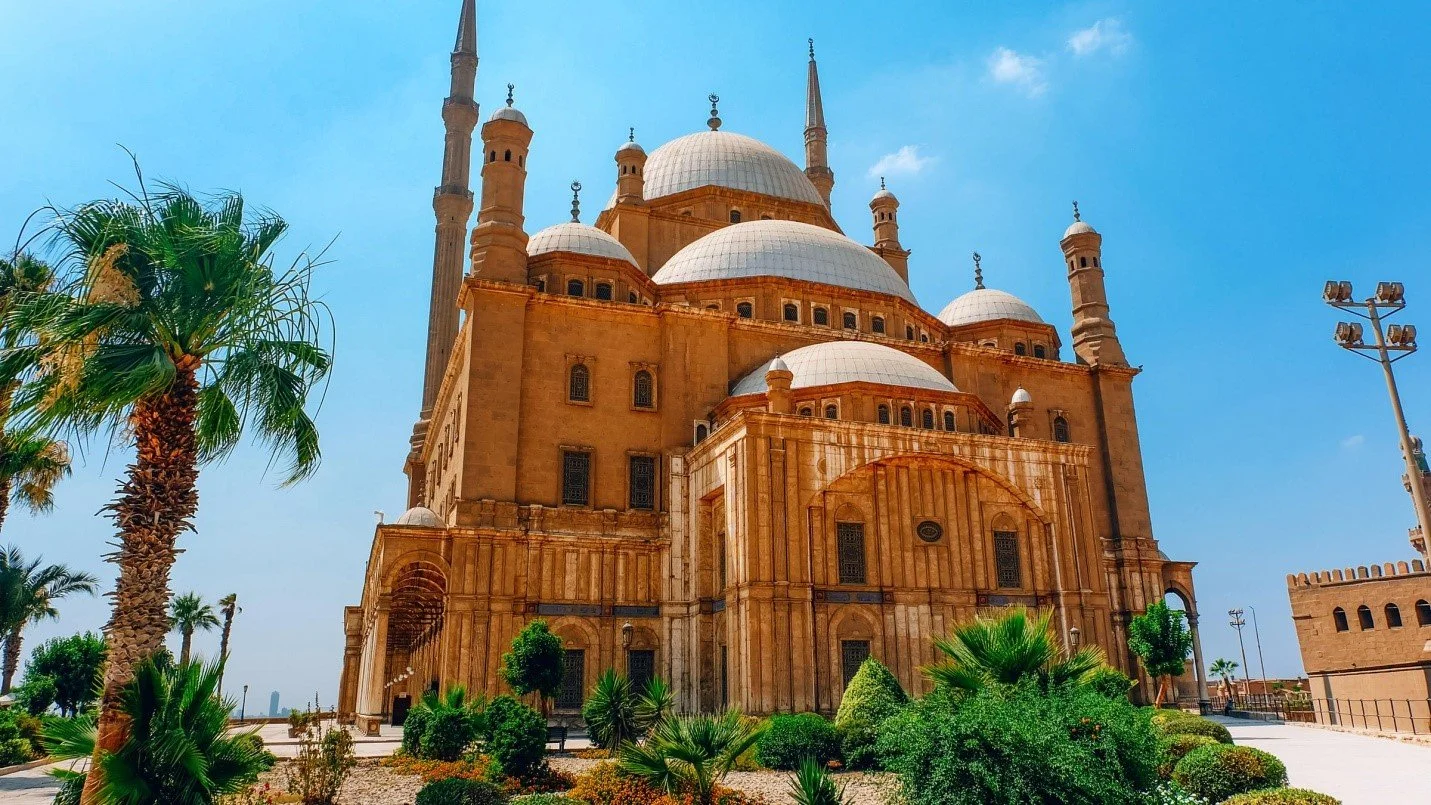
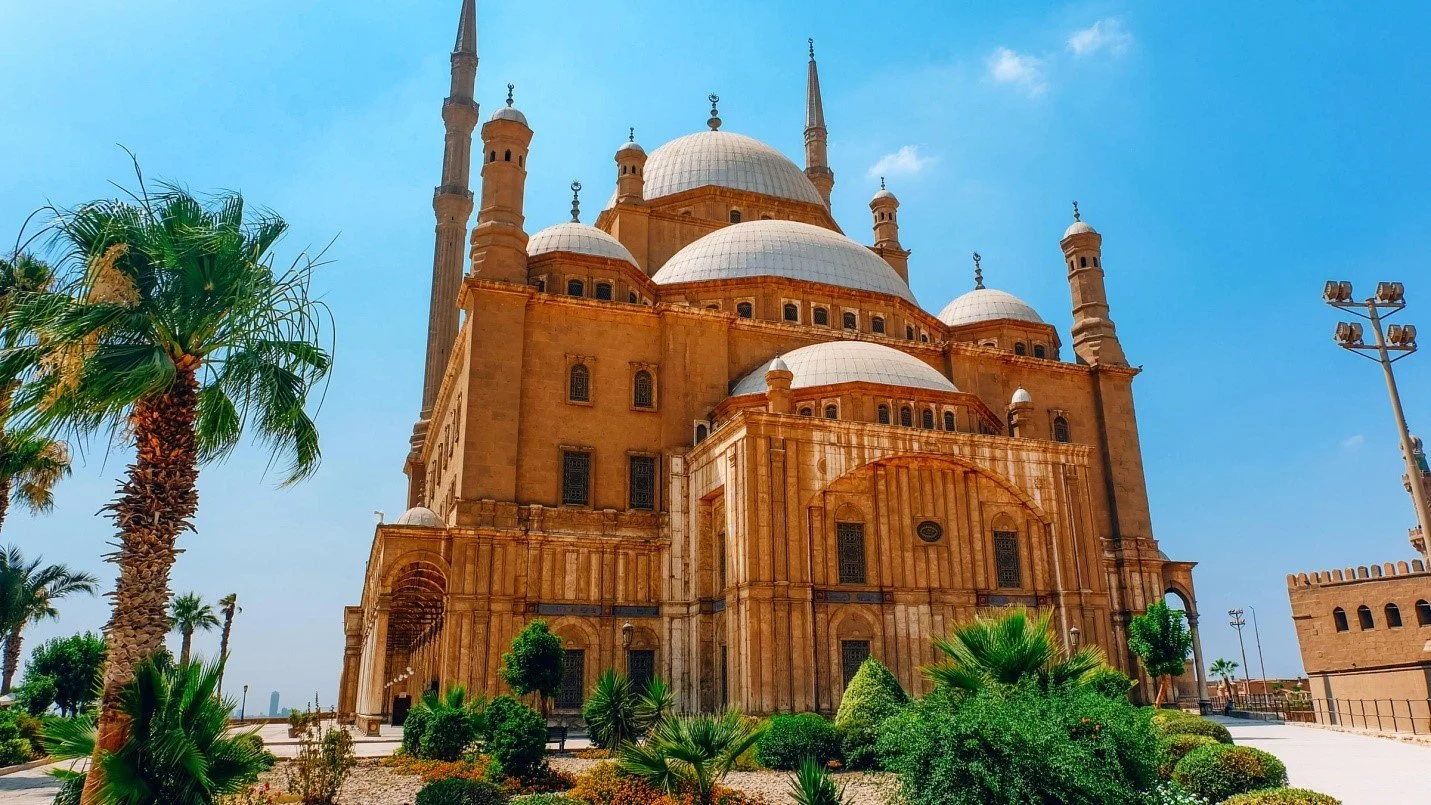
While the fortress contains multiple historic structures, the Ottoman-style Ottoman Mosque of Mohamed Ali—also known as the "Alabaster Mosque"—dominates the skyline. Built in the early 19th century in memory of Mohamed Ali’s son, its design was inspired directly by the famous mosques of Istanbul.
-
The Alabaster Facade: The lower exterior walls and courtyard columns are fully clad in rich alabaster stone, giving the building its famous nickname and unique texture.
-
The Twin Minarets: The mosque features two slender, pencil-shaped minarets that rise over 270 feet into the air, making them the highest in Cairo and visible from miles away.
-
The Interior Dome: Stepping inside reveals a vast carpeted prayer hall beneath a massive central dome surrounded by semi-domes. Elaborate brass chandeliers hang low from the ceiling, casting a warm golden light across the intricate decorations.
Key Historic Attractions Within the Citadel
Beyond the Alabaster Mosque, exploring the Citadel of Saladin Cairo reveals several other notable architectural and historic sites:
-
Mosque of Sultan al-Nasir Muhammad: Built in the early 14th century during the Mamluk era, this quiet mosque is famous for its unique green and blue glazed tile minarets and carved wooden ceilings.
-
The Gawhara Palace (Jewel Palace): Located next to the main mosque, this palace showcases 19th-century Ottoman royal reception rooms, gilded furniture, and historic portraits of Egypt's royal family.
-
The Panoramic Viewpoint: The western terrace of the Citadel provides one of the best photo spots in Cairo. Standing near the edge offers a wide view over medieval Cairo, displaying hundreds of minarets rising above the historic rooftops.
Practical Tips for Visitors
To make the most of your visit to the Citadel of Saladin Cairo, keep these operational guidelines in mind:
-
Respectful Dress Code: Because you will be entering active places of worship, men and women should dress modestly with shoulders and knees covered.
-
Shoe Etiquette: Shoes must be removed before stepping onto the carpets inside the mosques. You can carry your shoes in a bag or leave them with attendants at the entrance.
-
Combine with Islamic Cairo: Because the fortress is located in the heart of the historic district, you can easily combine a morning at the Citadel with an afternoon walking through Khan el-Khalili bazaar or visiting nearby medieval mosques.