
 Ahmed Ragaie
Currency in Egypt: A Guide to the Egyptian Pound for Tourists
Understanding how the currency in Egypt works is essential for managing daily travel expenses, tipping, and shopping. The official monetary unit is the Egyptian Pound, abbreviated as EGP, LE, or directly as LE (Livre Égyptienne). Navigating payment methods, currency exchanges, and cash needs helps prevent overpaying and keeps your trip running smoothly.
Egyptian Pound Denominations and Breakdown
The currency in Egypt is divided into pounds and piastres (where 1 EGP = 100 Piastres). However, piastres are rarely used today due to inflation.
-
Banknotes in Circulation: EGP 5, 10, 20, 50, 100, and 200. Note that 10 and 20 EGP notes are often issued in clean polymer plastic formats.
-
Coins: 1 EGP coins are widely circulated, though paper bills remain the primary medium of exchange.
-
Watch Out for Confusion: Pay close attention when handing over cash. The EGP 50 note and the 50-piastre note look somewhat similar at a quick glance, but their value is drastically different.
Cash vs. Credit Cards: How to Pay
Navigating the local economy requires carrying the right mix of payment types for the currency in Egypt.
High-End Merchants & Hotels (Credit Card Accepted) <---> Local Taxis, Souvenirs & Tipping (Strictly Cash EGP)
When to Use Credit Cards
Major international credit and debit cards (Visa and Mastercard) are widely accepted at high-end hotels, established restaurants, modern shopping malls, and official ticketing counters for major tourist sites.
Why You Always Need Cash (EGP)
Despite growing digital payments, cash remains essential for daily interactions:
-
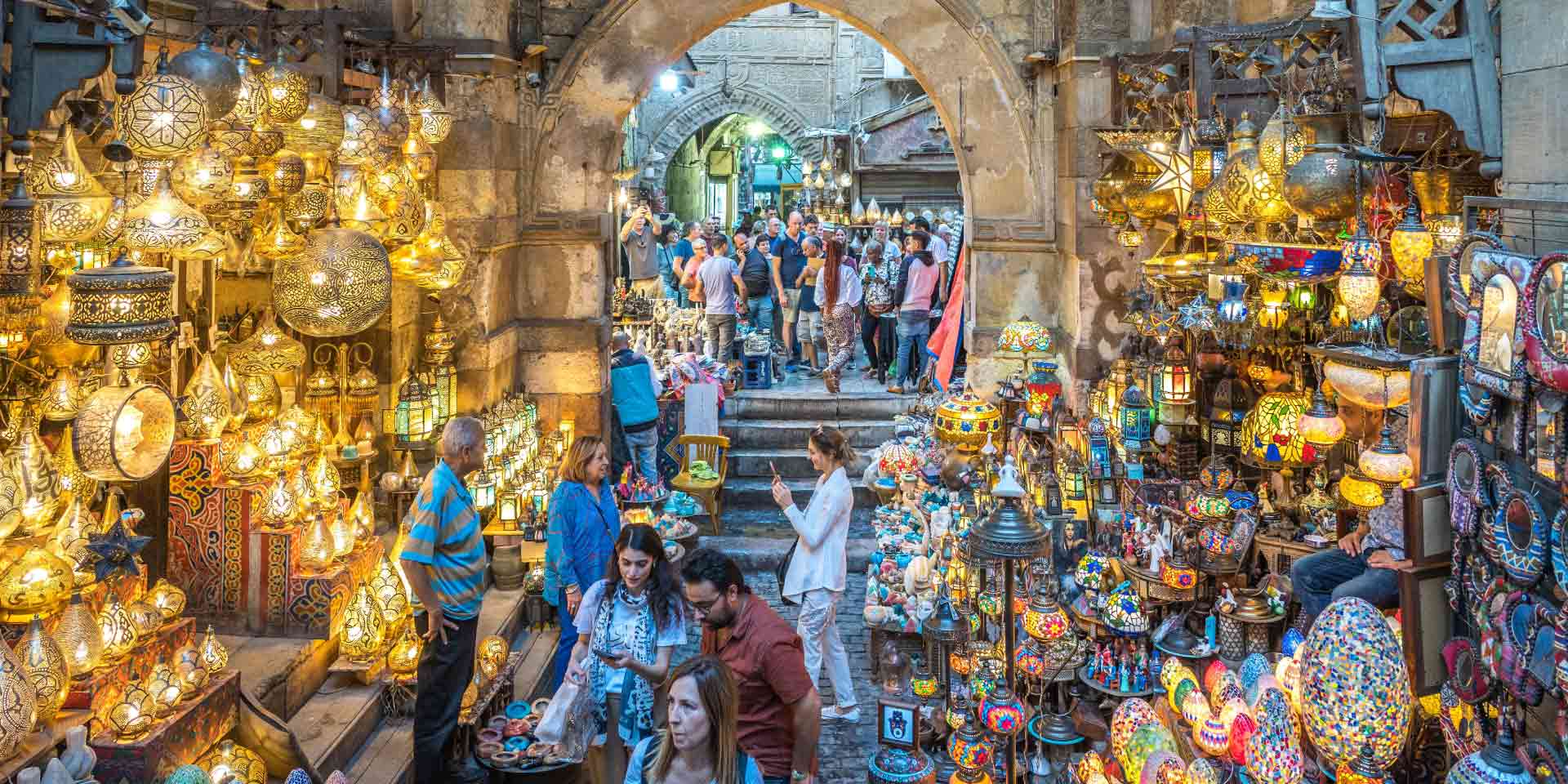
Small purchases at street markets and bazaars like Khan El Khalili.
-
Tipping (baksheesh) for luggage handlers, drivers, temple guardians, and bathroom attendants.
-
Paying local taxi drivers and street food vendors.
Exchanging Money and Using ATMs
Managing your foreign exchange safely ensures you get fair market rates for the currency in Egypt.
-
Airport Exchange Desks: Authorised bank kiosks at Cairo, Hurghada, and Sharm El Sheikh airports offer competitive exchange rates. Exchange a portion of your USD or EUR upon arrival.
-
ATM Withdrawals: ATMs are widely available across major cities and resort towns. Withdraw local cash directly using your debit card. Choose to be charged in the local currency (EGP) rather than letting the machine convert it to your home currency to avoid poor conversion markups.
-
Crisp USD Notes: If bringing US Dollars to exchange, ensure the bills are unblemished, untorn, and printed after 2013, as banks and exchange bureaus may reject worn notes.
Frequently Asked Questions (FAQ)
Can I use US Dollars directly instead of the local currency in Egypt?
While US Dollars are accepted by tour operators, international hotels, and cruise companies, everyday vendors, local taxis, and small shops strictly require the local currency in Egypt (EGP).
Should I exchange money before traveling to Egypt?
No, it is generally easier and more cost-effective to exchange your money or withdraw local cash via ATMs after landing in Egypt. Airport bank counters operate 24/7 to assist arriving passengers.
How much cash should I carry daily?
Carrying around EGP 500 to 1,000 in small bills (EGP 10, 20, 50, and 100) per day is usually sufficient for routine tips, small snacks, bottled water, and local transportation.
Do They Speak English in Egypt? Navigating the Language Barrier