

 Ahmed Ragaie
For over a century, the historic dark pink, neoclassical building overlooking Tahrir Square in downtown Cairo served as the undisputed global capital of ancient antiquities. Opened in 1902, the Egyptian Museum housed the world's most extensive collection of pharaonic treasures, attracting millions of international travelers, historians, and world leaders.
The Egyptian Museum in Tahrir Square: Is It Still Worth Visiting?
For over a century, the historic dark pink, neoclassical building overlooking Tahrir Square in downtown Cairo served as the undisputed global capital of ancient antiquities. Opened in 1902, the Egyptian Museum housed the world's most extensive collection of pharaonic treasures, attracting millions of international travelers, historians, and world leaders.
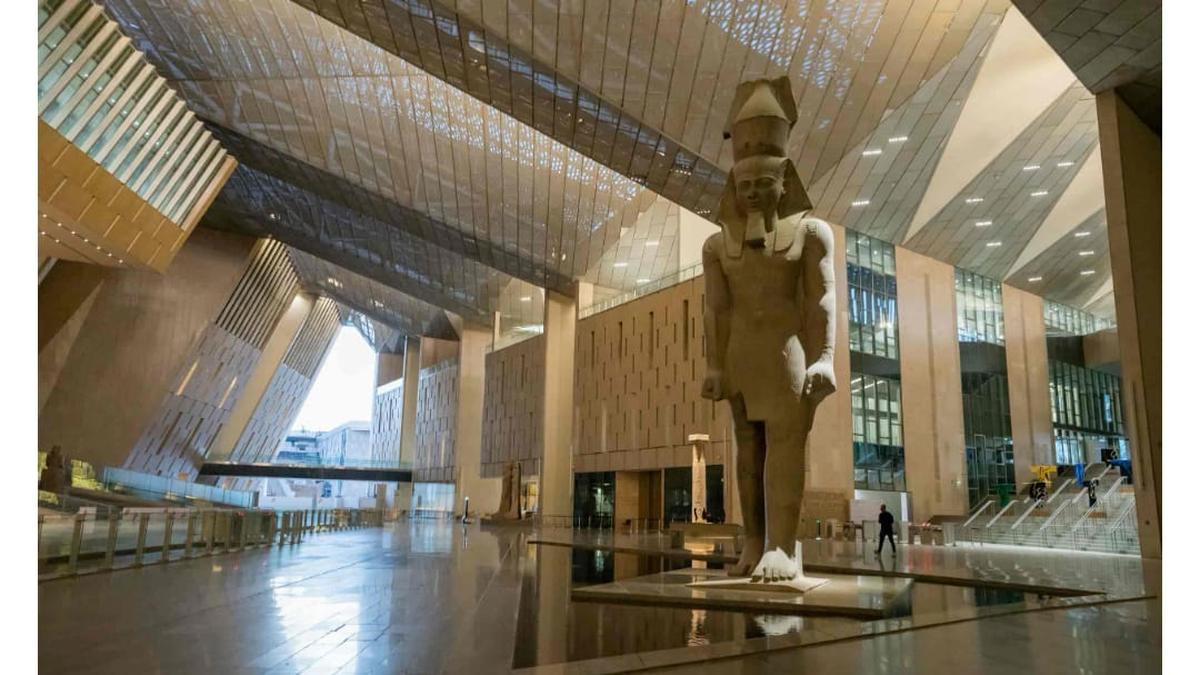
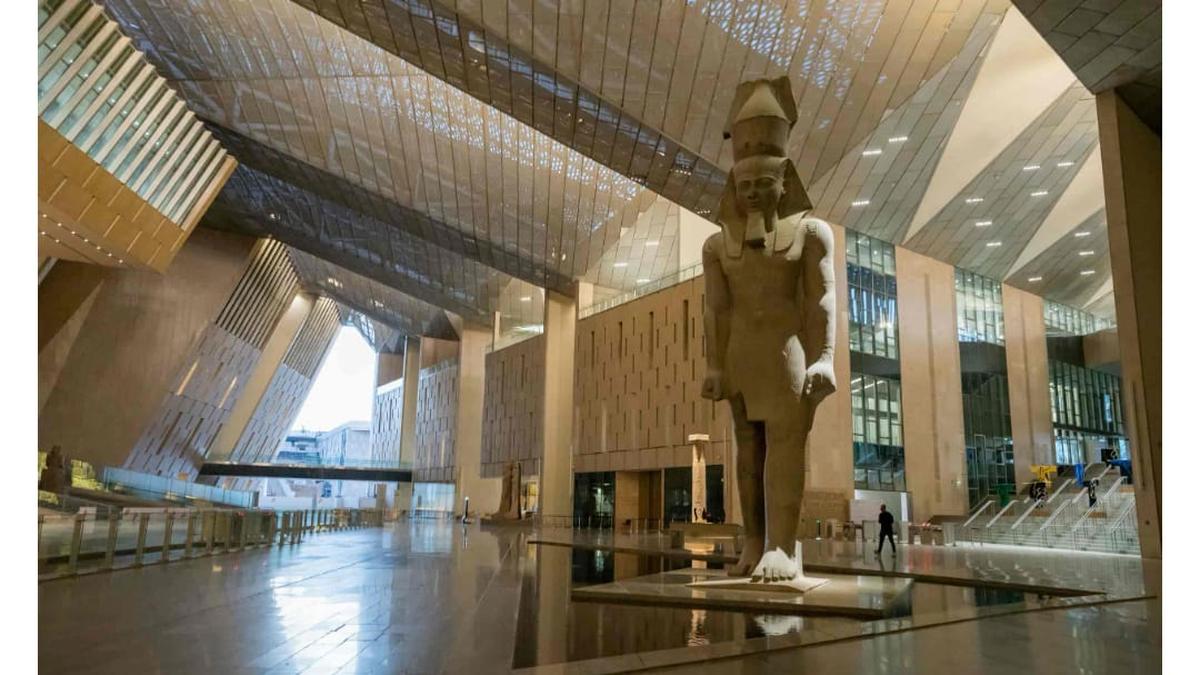
However, with the highly publicized opening of the modern Grand Egyptian Museum in Giza and the National Museum of Egyptian Civilization in Fustat, many travelers planning their itineraries ask: is the Egyptian Museum in Tahrir Square still worth visiting?
The short answer is a resounding yes. While iconic masterpieces like the Tutankhamun collection have moved to modern venues, the original museum in Tahrir Square remains an essential, deeply charming stop for history enthusiasts.
Here is a detailed breakdown of what remains inside, why its unique historical atmosphere matters, and how to include it in your Cairo travel plans.
The Timeless Atmosphere of a Victorian Treasure House
Unlike modern, minimalist museums where artifacts are spaced out behind high-tech glass displays with digital interactive screens, the Egyptian Museum Tahrir Square offers a raw, authentic, 19th-century gallery experience.
Stepping through the massive wooden front doors feels like stepping back into the golden age of archaeology. The grand central atrium is bathed in natural sunlight pouring through high glass ceilings, filled with massive stone sarcophagi, colossal royal statues, and heavy wooden display cases lined with hand-typed labels dating back decades.
For many visitors, walking through these high-ceilinged, dusty halls evokes the classic feeling of being an early explorer discovering thousands of ancient artifacts piled high in a grand cabinet of curiosities.
What Remains Inside: Masterpieces You Cannot Miss
Even after relocating major exhibit highlights to newer venues, the Egyptian Museum Tahrir Square still holds over one hundred thousand artifacts—making it far richer in historical content than almost any other antiquity museum on Earth.
Key collection highlights that remain housed in Tahrir Square include:
1. The Statue of King Khafre
Carved from dark, polished green diorite stone, this Old Kingdom masterpiece depicts Pharaoh Khafre (builder of the second pyramid at Giza) seated on his throne. Behind his head, the falcon god Horus spreads his protective wings. The sheer skill required to carve such detail into one of the hardest stones known to man 4,500 years ago is staggering.
2. The Wooden Statue of Ka-Aper (The Sheikh el-Balad)
Carved from sycamore wood during the Fifth Dynasty, this life-sized statue of an Old Kingdom priest features astonishingly realistic rock crystal eyes that catch the light, making the figure appear vividly alive. When local workmen unearthed the statue in the 19th century, they immediately named it "Sheikh el-Balad" because it bore a striking resemblance to their local village leader.
3. The Triad Statues of Menkaure
Discovered at the Giza Pyramids, these beautifully carved graywacke stone triads show Pharaoh Menkaure flanked by the goddess Hathor and various provincial deities. The refined artistic proportions and smooth stone finish highlight the peak of Old Kingdom royal sculpture.
4. The Tanis Royal Gold Treasure
While Tutankhamun’s golden treasures receive global fame, the royal tombs of the 21st and 22nd Dynasty pharaohs discovered at Tanis in the Nile Delta yielded equally spectacular solid gold death masks, silver coffins, and intricate jewelry. This entire breathtaking gold collection remains proudly displayed on the second floor of the Tahrir Museum.
5. The Yuya and Thuya Collection
Yuya and Thuya were the great-grandparents of King Tutankhamun. Their intact tomb in the Valley of the Kings yielded remarkably preserved gilded burial masks, decorated wooden beds, lightweight chairs, and delicate glass jars that provide an intimate look at non-royal elite life during the New Kingdom.
Comparing Cairo’s Major Museums
To help you organize your museum visits across the capital, understand how each primary venue differs:
-
Grand Egyptian Museum (Giza): The massive, modern facility dedicated exclusively to pharaonic history, featuring the complete, unified King Tutankhamun collection, grand staircases, and high-tech digital exhibits.
-
National Museum of Egyptian Civilization (Fustat): Focuses on the continuous human story of Egypt from prehistoric times to the modern era, famously housing the Royal Mummies Hall in a specialized climate-controlled subterranean setting.
-
Egyptian Museum in Tahrir Square: The classic, historic venue housing tens of thousands of raw Old Kingdom, Middle Kingdom, and Greco-Roman artifacts in an atmospheric, 1902 architectural setting.
Practical Visitor Tips for Tahrir Square
To ensure an enjoyable visit to the historic downtown museum, keep these practical tips in mind:
-
Location Advantage: The museum is located right in the heart of downtown Cairo, making it extremely easy to combine with a walking tour of historic downtown streets, Nile corniche walks, or a lunch stop at local traditional restaurants.
-
Hire an Expert Guide: Because display labels inside the older wooden cases can be minimal or technical, hiring a licensed Egyptologist guide brings the static stone statues to life with rich historical context.
-
Visit during Quiet Hours: Morning hours right when the doors open offer a quiet atmosphere before tour groups arrive, allowing you to appreciate the classic natural lighting inside the central atrium.
So, is the Egyptian Museum in Tahrir Square still worth visiting? Absolutely. It remains a treasure trove of human history that holds a unique, irreplaceable place in the story of global archaeology.