

 Ahmed Ragaie
Felucca Ride on the Nile Guide | Tour Egypt Club
When you look at a map of Egypt, the massive river cutting directly through the desert instantly stands out. For thousands of years, this famous waterway has been the lifeblood of Egyptian civilization. While massive river cruise ships offer modern luxury, taking a traditional felucca ride on the Nile provides a much more intimate, historic, and peaceful way to experience the water.
If you want to step away from the bustling city streets and the heavy crowds at the ancient temples, spending an afternoon on the water is the perfect solution. Here is everything you need to know about taking a felucca ride on the Nile during your Egyptian vacation.
What Exactly is a Felucca?
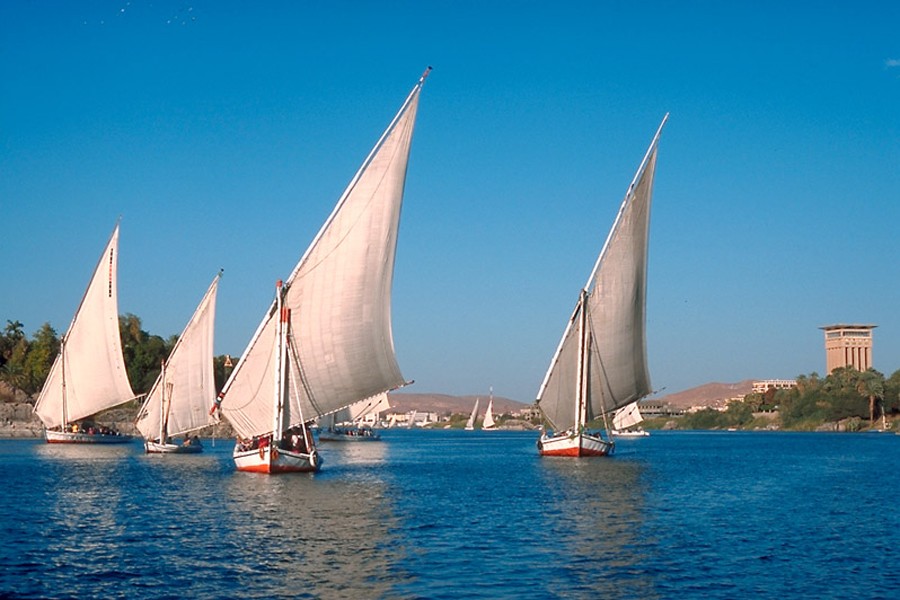
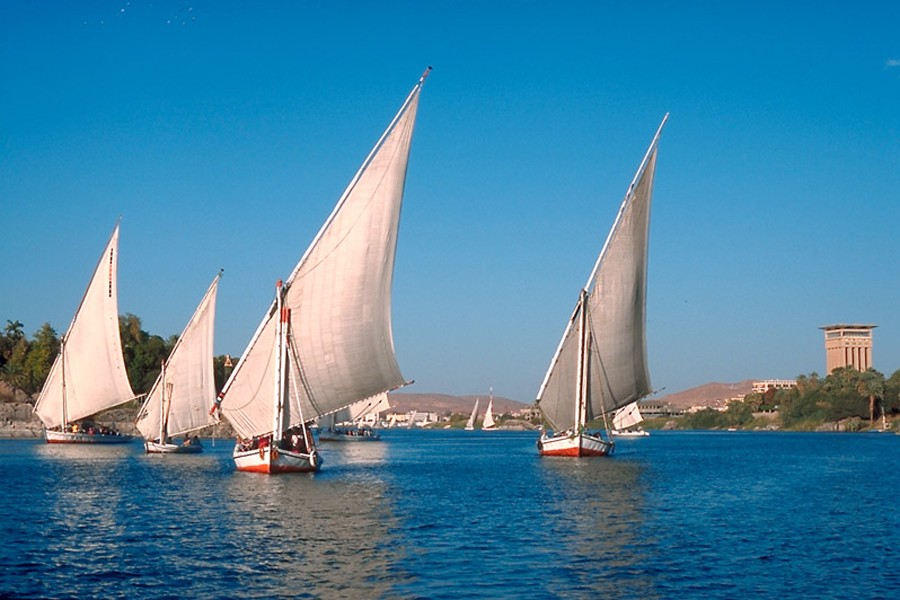
Before adding this activity to your itinerary, it helps to know what kind of boat you will be boarding. A felucca is a traditional wooden sailing boat that relies entirely on the wind and river currents. It features large, canvas lateen sails and a wide, open wooden deck that is usually covered with soft cushions and local Egyptian carpets for lounging.
Because there is no noisy motorized engine, a felucca ride on the Nile is incredibly quiet. The only sounds you will hear are the wind catching the massive sails and the water gently splashing against the wooden hull. It is a stark, deeply relaxing contrast to the chaotic energy of Egypt's major cities.
The Best Cities for a Felucca Ride on the Nile
While you can find these traditional boats docked all over the country, the scenery changes drastically depending on where you choose to set sail.
Aswan (Highly Recommended)
Aswan is universally considered the most beautiful location for a felucca ride on the Nile. The river here is dotted with large, smooth granite boulders, lush green islands like Elephantine Island, and the golden sand dunes of the Sahara Desert dipping right into the water. The wind currents in Aswan are also highly reliable, making it the perfect environment for a smooth sailing experience.
Luxor
Taking a boat out in Luxor offers a deeply historical backdrop. As you glide across the water, you will have uninterrupted views of the majestic Luxor Temple on the East Bank and the rugged, mysterious mountains of the West Bank in the distance.
Cairo
While the river in Cairo is much busier with modern boat traffic, a short sail in the capital offers a completely different, yet fascinating vibe. You will be surrounded by towering skyscrapers and the glittering lights of the massive metropolis, offering a quiet, floating escape right in the middle of the urban center.
When is the Best Time to Sail?
While daytime trips are great for catching a strong breeze and soaking up the Egyptian sun, the absolute best time for a felucca ride on the Nile is the late afternoon, specifically the hour leading up to sunset.
As the sun begins to drop behind the desert hills, the sky turns brilliant shades of orange, pink, and purple. The temperature cools down significantly, and the lighting becomes absolutely perfect for photography. Most sunset sails last about one to two hours, giving you plenty of time to relax and watch the landscape change colors.
What to Bring on Your Sail
Because these are simple, open-air wooden boats, you should pack a few essentials in your day bag to ensure you are comfortable:
-
Sun Protection: If you are sailing during the day, the sun reflecting off the water is incredibly strong. Bring sunglasses, a wide-brimmed hat, and sunscreen.
-
A Light Layer: If you choose a sunset sail, the wind coming off the water can feel quite chilly once the sun completely disappears. Bringing a light jacket or a pashmina scarf is highly recommended.
-
Bottled Water: You will want to stay hydrated, and standard feluccas do not have onboard kitchens or cafes.
Final Thoughts
Of all the activities you can plan, a traditional felucca ride on the Nile remains one of the most authentic ways to connect with Egypt's history and natural beauty. Leaning back on comfortable cushions, feeling the desert breeze, and watching the timeless landscape drift by is a grounding experience that should be on every traveler's itinerary.