

 Ahmed Ragaie
Traveling through Egypt is a dream vacation filled with awe-inspiring monuments, rich history, and world-class hospitality. However, because tourism is a primary industry in major cities, first-time visitors frequently encounter overzealous vendors, unofficial "guides," and common tourist scams around major historical sites like the Giza Pyramids and Khan el-Khalili bazaar.
How to Avoid Scams in Egypt: Essential Tourist Advice
Traveling through Egypt is a dream vacation filled with awe-inspiring monuments, rich history, and world-class hospitality. However, because tourism is a primary industry in major cities, first-time visitors frequently encounter overzealous vendors, unofficial "guides," and common tourist scams around major historical sites like the Giza Pyramids and Khan el-Khalili bazaar.
Knowing how to avoid scams in Egypt before you land empowers you to handle unwanted persistence calmly, protect your wallet, and focus entirely on enjoying your trip.
Here is a practical guide detailing the most common tourist traps and essential advice for navigating them smoothly.
1. The "Free Gift" or Unsolicited Assistance Scam
This is one of the most frequent interactions encountered in busy tourist zones:
-
How it Works: A friendly stranger approaches you and hands you a "free" souvenir (such as a small alabaster statue, a papyrus bookmark, or a traditional headscarf), claiming it is a welcome gift. Once you accept it or hold it in your hand, they immediately demand a tip or payment, making a scene if you try to return it.
-
How to Avoid It: Never accept items handed to you by strangers on the street. Keep your hands in your pockets or firmly at your sides, say "La, Shukran" (No, thank you), and leave the item on a nearby counter or ground if they drop it into your hands.
2. Unofficial "Site Guides" Inside Monuments
-
How it Works: While walking through temples or tombs, a person wearing an official-looking badge or traditional robe approaches you, points at a wall relief, offers to take your photo, or opens a side door, claiming to show you a "secret room." Afterward, they aggressively demand a large cash tip for their "guiding service."
-
How to Avoid It: Politeness is key. If someone begins offering unprompted tour explanations, politely say, "No thank you, I prefer to explore on my own." If you genuinely want a guide, hire a licensed, vetted Egyptologist through your hotel or tour operator before arriving at the site.
3. The Camel and Horse Ride Trap at Giza
-
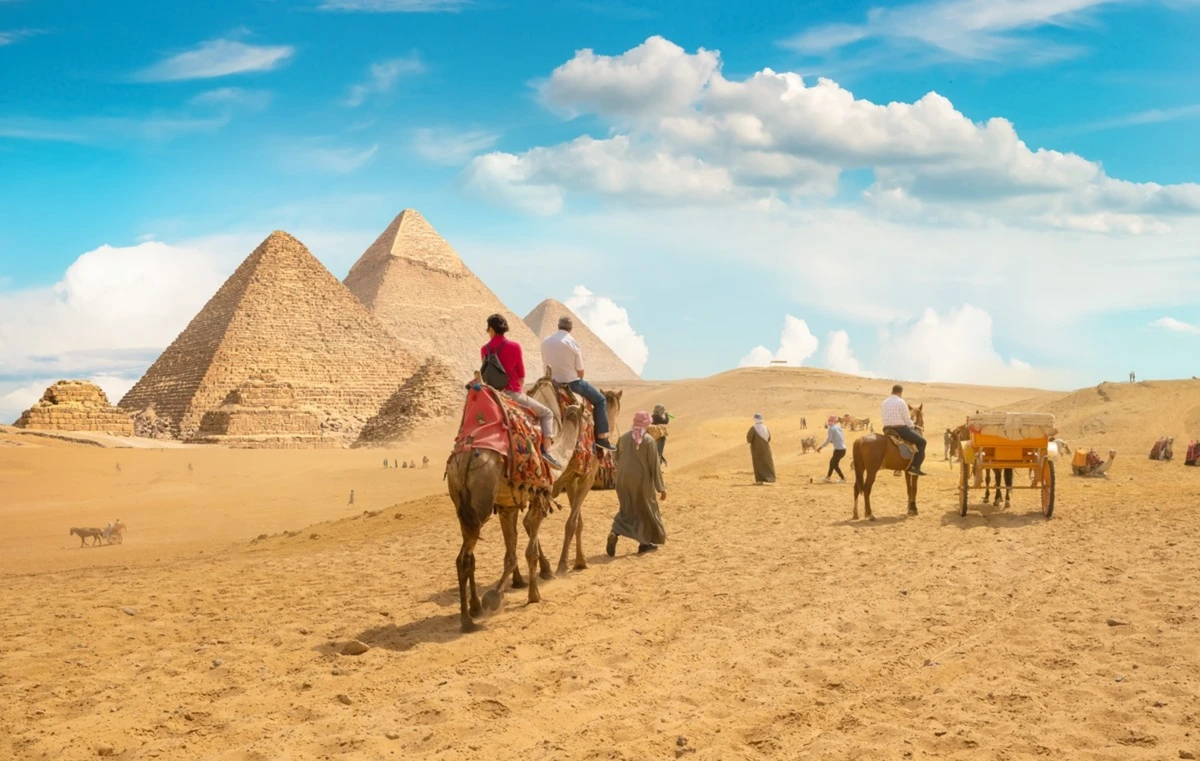
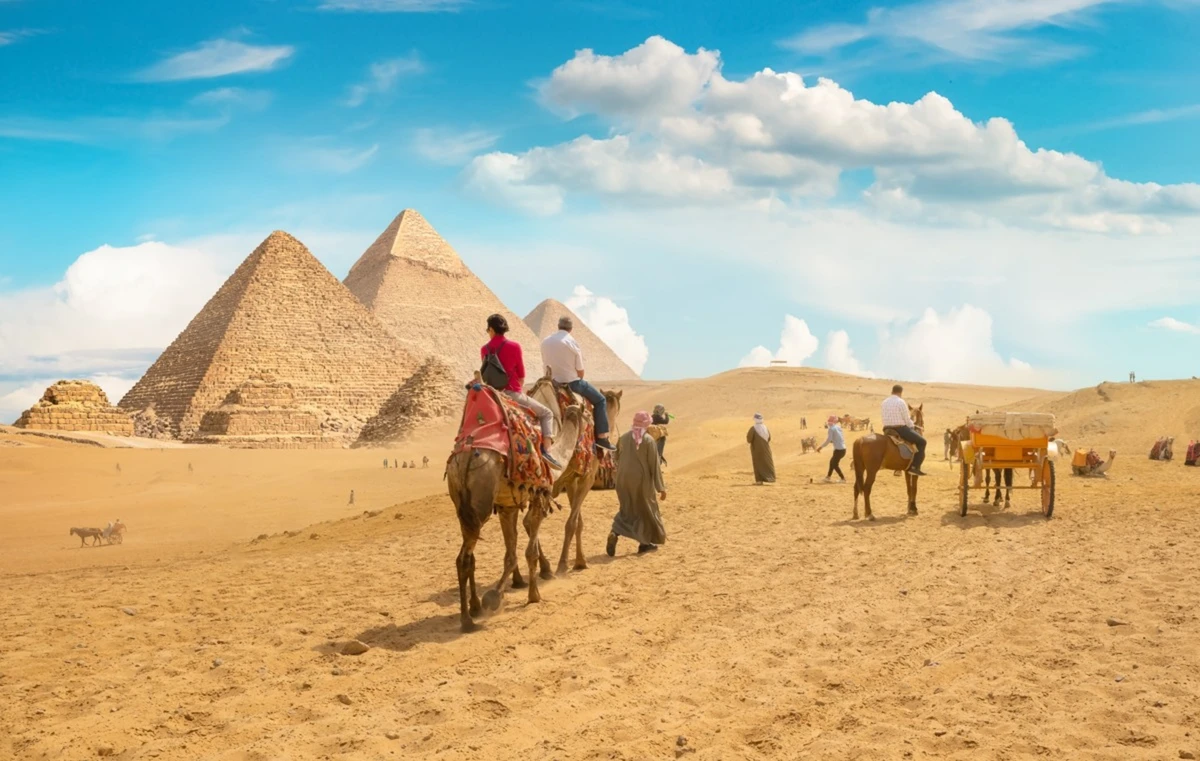
How it Works: A vendor quotes a low price for a camel or horse ride around the Pyramids. Once you are out in the middle of the desert plateau, they demand triple the price to let you down from the camel or to take you back to the exit.
-
How to Avoid It: Agree on the exact duration, total price, currency, and tip before mounting the animal. Better yet, book official, government-regulated camel or horse rides directly through your hotel concierge or reputable tour operators with fixed upfront pricing.
4. Taxi Price Haggling Scams
-
How it Works: You hail a traditional street taxi, and the driver agrees to a price. Upon arrival at your hotel, the driver claims the quoted price was "per person" rather than for the whole ride, or that the meter was off.
-
How to Avoid It: Use digital rideshare applications like Uber in major cities (Cairo, Alexandria, Hurghada). Rideshare apps calculate fixed digital fares via GPS, charge your credit card directly, and eliminate cash price negotiations entirely.
5. The "Fake Papyrus" and "Fake Alabaster" Trap
-
How it Works: Vendors outside major sites sell cheap souvenirs made of dried banana leaves or molded resin, claiming they are authentic hand-painted papyrus or hand-carved natural alabaster.
-
How to Avoid It: Buy high-end crafts directly from official, government-certified artisan cooperatives, university schools, or established shops recommended by licensed guides. Genuine papyrus is flexible, durable, and features distinct woven fibers.
By maintaining situational awareness, using digital transport options, and setting firm boundaries, you will navigate local markets safely and learn how to avoid scams in Egypt with confidence.