

 Ahmed Ragaie
When exploring the East Bank of Luxor, travelers encounter two of the most magnificent religious complexes in the ancient world. Located just two miles apart along the Nile River, both sites showcase the architectural power of the New Kingdom pharaohs. Because of their proximity, first-time visitors frequently confuse them or wonder how they differ.
Karnak Temple vs Luxor Temple: What is the Difference?
When exploring the East Bank of Luxor, travelers encounter two of the most magnificent religious complexes in the ancient world. Located just two miles apart along the Nile River, both sites showcase the architectural power of the New Kingdom pharaohs. Because of their proximity, first-time visitors frequently confuse them or wonder how they differ.
Understanding the debate of Karnak Temple vs Luxor Temple is essential for appreciating the religious, political, and architectural development of ancient Thebes. While both complexes honor the gods and pharaohs, their scale, function, and design serve distinct historical purposes.
Here is an in-depth breakdown comparing Karnak Temple vs Luxor Temple so you know what to expect at each extraordinary site.
The Purpose and History of Each Temple
To appreciate the differences between these two monuments, you must look at why they were built.
-
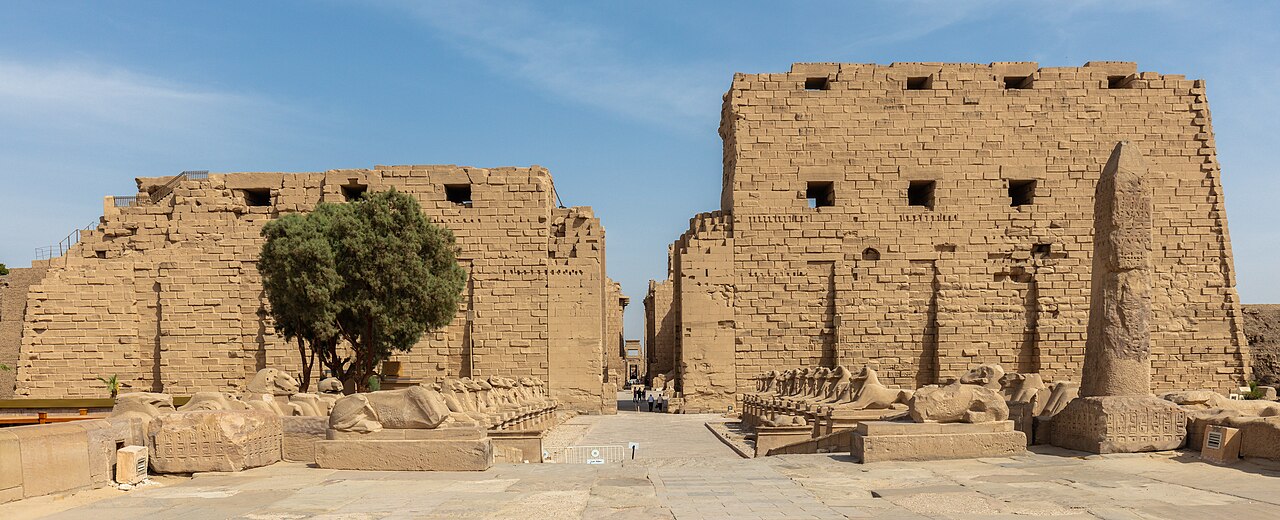
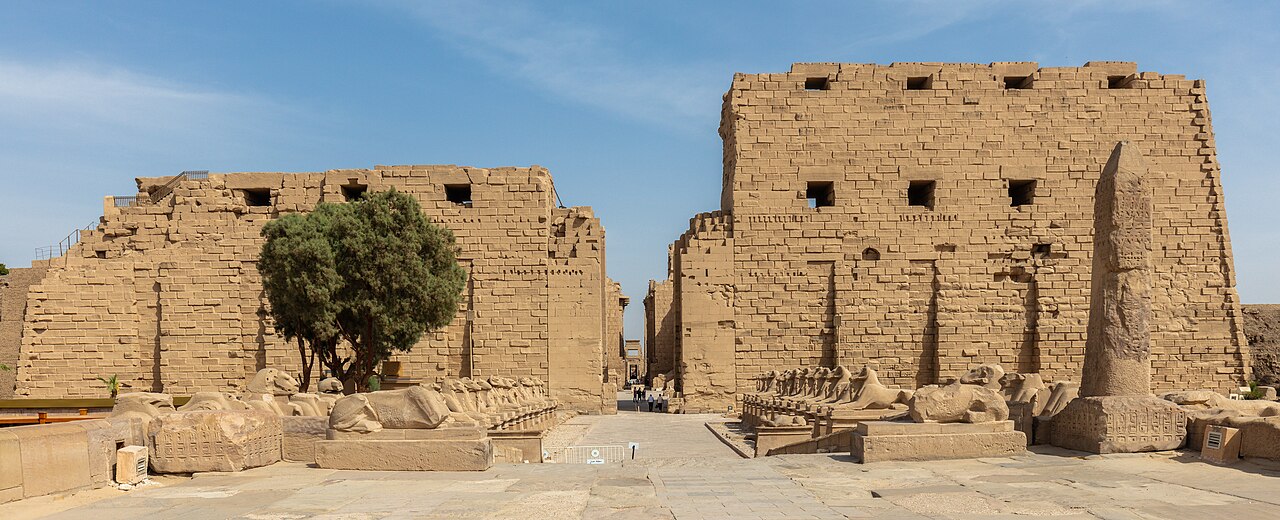
Karnak Temple (The Administrative and Spiritual Center): Karnak was not a single temple, but a vast, expanding complex developed over more than 1,500 years. Nearly every major pharaoh—from Hatshepsut and Thutmose III to Ramses II—added towers, shrines, and halls to the site. It served as the primary place of worship for Amun-Ra, the king of the gods, as well as a massive administrative center for the priesthood.
-
Luxor Temple (The Site of Royal Coronation): Unlike Karnak, which was dedicated primarily to the gods, Luxor Temple was dedicated to the rejuvenation of kingship. It was where pharaohs were symbolically crowned and fused with the divine royal spirit during the annual Opet Festival. Most of the structure you see today was built by two prominent rulers: Amenhotep III and Ramses II.
Key Architectural Differences
The layout and visual impact of each site differ dramatically once you step inside the entrance gates.
Karnak: Sheer Scale and Complexity
Karnak is widely considered the largest religious complex ever constructed. Covering over 200 acres, it feels like an ancient stone city surrounded by massive mudbrick walls.
-
The Great Hypostyle Hall: This is the visual highlight of Karnak. It contains 134 towering sandstone columns arranged in 16 rows, with the central columns standing over 60 feet tall. Walking through this forest of stone feels humbling and vast.
-
Obelisks and Sacred Lake: Karnak features giant standing obelisks carved from solid granite, including the famous Obelisk of Hatshepsut, along with a massive stone-lined Sacred Lake used by priests for ritual purification.
Luxor Temple: Elegant Proportion and Continuity
Luxor Temple is smaller, more linear, and easier to navigate than Karnak. It is famous for its grand axial design that leads visitors through successive courtyards and dark inner sanctuaries.
-
The Colossal Statues of Ramses II: The entrance gateway (pylon) is guarded by massive seated granite statues of Ramses II and a towering obelisk.
-
The Avenue of Sphinxes: Connecting Luxor Temple directly to Karnak is a two-mile ancient processional avenue lined with over 1,000 human-headed and ram-headed sphinx statues. Walking along sections of this newly restored avenue is a highlight of visiting Luxor today.
Best Time of Day to Visit Each Site
Because of their unique atmospheres, timing your visit enhances the experience at both locations:
-
Visit Karnak in the Early Morning: Because Karnak is massive and completely unshaded, visiting right when the site opens at 6:00 AM allows you to explore the Great Hypostyle Hall in cool temperatures before large tour groups arrive.
-
Visit Luxor Temple at Sunset or Night: Luxor Temple is one of the few archaeological sites in Egypt illuminated by warm golden spotlights after dark. Visiting in the late afternoon allows you to watch the sunset behind the stone columns and experience the magical night lighting.
When comparing Karnak Temple vs Luxor Temple, remember that Karnak showcases the grand, sprawling power of ancient religion, while Luxor Temple highlights elegant royal tradition and coronation history. Visiting both provides a complete picture of ancient Egyptian civilization.