

 Ahmed Ragaie
Floating peacefully on the Nile River directly opposite the city of Aswan lies an emerald-green sanctuary far removed from desert sands and ancient stone monuments. Kitchener Island Aswan, known locally as Geziret el-Nabatat (The Island of Plants), is a 17-acre island converted entirely into a lush, tropical botanical garden.
Kitchener’s Island Aswan: Botanical Garden Guide
Floating peacefully on the Nile River directly opposite the city of Aswan lies an emerald-green sanctuary far removed from desert sands and ancient stone monuments. Kitchener Island Aswan, known locally as Geziret el-Nabatat (The Island of Plants), is a 17-acre island converted entirely into a lush, tropical botanical garden.
Home to hundreds of exotic plant species, soaring palm trees, and native birdlife imported from across Asia, Africa, and South America, spending a quiet afternoon strolling through this island sanctuary offers a relaxing escape during a busy itinerary through southern Egypt.
Here is a complete visitor guide to exploring Kitchener Island Aswan.
The Fascinating History of the Island
Before becoming a botanical garden, the island was known to local Nubian residents as El-Nouron Island.
-
Lord Kitchener’s Gift: In 1899, following military campaigns in Sudan, the Egyptian government gifted the island to Horatio Herbert Kitchener (Lord Kitchener), who served as Commander-in-Chief of the Egyptian Army and later Consul-General.
-
A Passion for Botany: Lord Kitchener was an avid plant collector. He transformed his private island residence into a tropical testing ground, utilizing his military connections across the British Empire to import rare seeds, exotic trees, and flowering plants from India, Malaysia, Central Africa, and the Caribbean.
-
Government Botanical Reserve: Following Kitchener’s departure, the island passed to the Egyptian government and was designated as an official botanical research sanctuary under the Ministry of Agriculture.
What to See and Do on the Island
The island is laid out along a grand central walkway lined with soaring Royal Palms (Roystonea regia) stretching from the northern boat dock to the southern tip.
-
Rare Tropical Flora: The garden is divided into several botanical sectors featuring giant banyan trees, mahogany trees, bamboo groves, sandalwood, bougainvillea, exotic hibiscus varieties, and rare spice plants. Every major tree features informational signage listing its botanical name and country of origin.
-
A Sanctuary for Birdwatchers: The dense canopy offers a haven for local and migratory bird species along the Nile corridor. Keep an eye out for colorful kingfishers, sunbirds, egrets, and hoopoe birds resting in the branches.
-
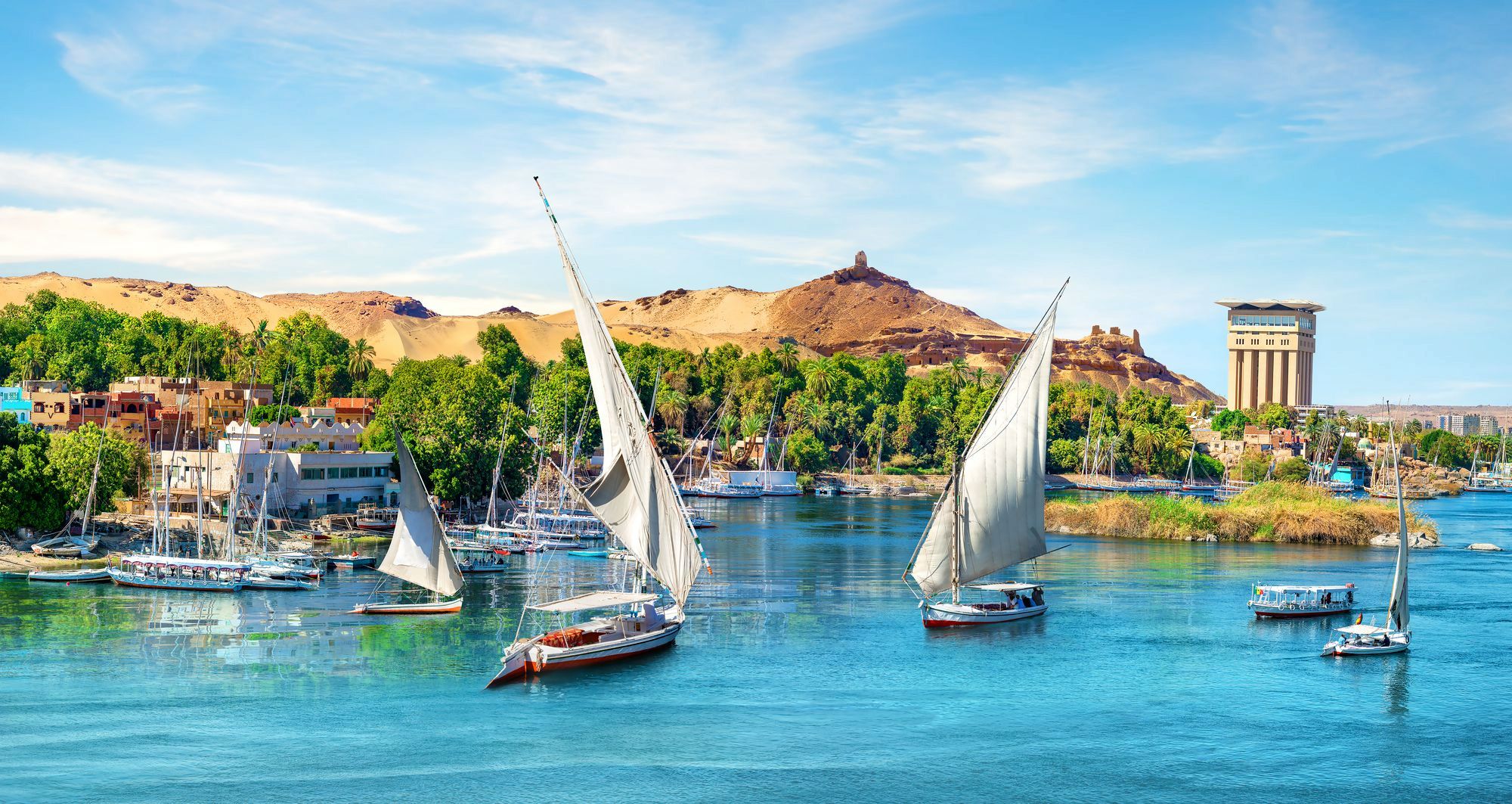
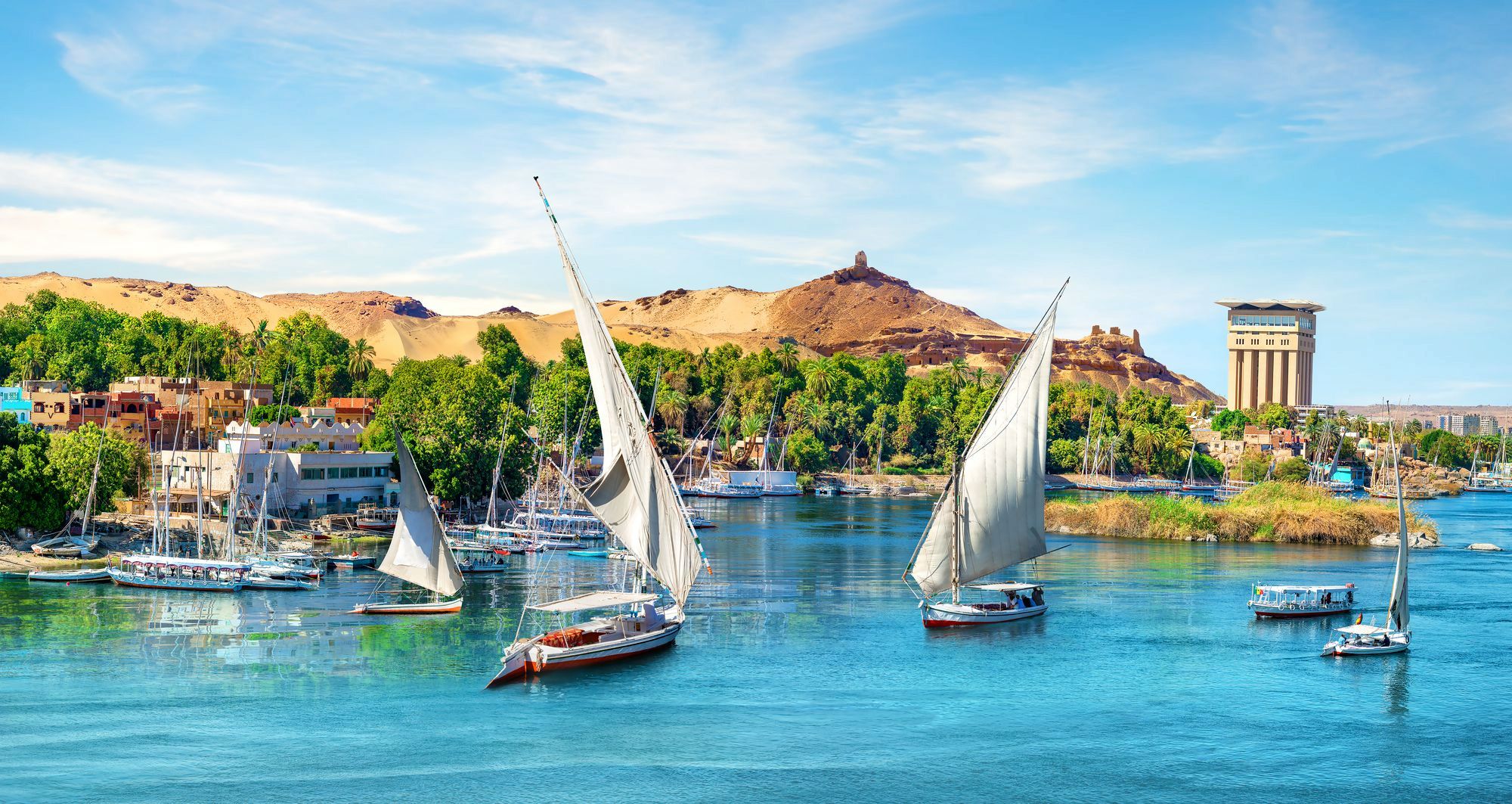
Panoramic River Views: The southern tip of the island features a quiet cafe overlooking the Nile River, offering views across to the golden sand dunes of the West Bank and the historic Aga Khan Mausoleum resting on the desert hills.
How to Get to Kitchener’s Island
Accessing the island involves a enjoyable water journey across the Nile:
-
By Traditional Felucca: The most scenic and authentic way to reach the island is by hiring a traditional wooden felucca sailboat from the Aswan corniche. Sailing smoothly across the water with the desert breeze is a classic Aswan experience.
-
By Motorboat: If wind levels are low, small wooden motorboats run regularly between the city docks, Elephantine Island, and Kitchener's Island.
Practical Tips for Visitors
-
Visit in Late Afternoon: Visiting in the late afternoon allows you to enjoy cooler temperatures under the tree canopy, followed by a sunset sail back to the mainland.
-
Combine with Elephantine Island: Because Kitchener's Island sits right next to Elephantine Island, you can easily pair a morning exploring the Nubian villages and ruins on Elephantine with an afternoon stroll through the botanical gardens.
Visiting Kitchener Island Aswan provides a peaceful, green wind-down that highlights the natural beauty of the Nile River Valley.