

 Ahmed Ragaie
Dedicated primarily to the goddess Isis, Philae is one of the most fascinating ancient sites in Aswan. What makes the experience even more unusual is that the temple you visit today is not on its original island. The monuments were carefully relocated to nearby Agilkia Island during the international campaign to save Nubian monuments from the rising waters created by the Aswan High Dam.
A Complete Guide to Visiting Philae Temple in Aswan
If you are planning a trip to southern Egypt, visiting Philae Temple in Aswan should be high on your itinerary. Set on an island surrounded by the Nile, the temple complex combines ancient Egyptian history, beautiful architecture, and a memorable boat ride.
Dedicated primarily to the goddess Isis, Philae is one of the most fascinating ancient sites in Aswan. What makes the experience even more unusual is that the temple you visit today is not on its original island. The monuments were carefully relocated to nearby Agilkia Island during the international campaign to save Nubian monuments from the rising waters created by the Aswan High Dam.
This Philae Temple Aswan guide explains what to see, how to get there, when to visit, and how to make the most of your experience.
Why Visit Philae Temple?
Philae is much more than another ancient temple in Egypt. Its island setting gives it a completely different atmosphere from famous sites such as the pyramids or Karnak Temple.
The complex was dedicated mainly to Isis, one of the most important goddesses in ancient Egyptian religion. Construction and additions continued through the Ptolemaic and Roman periods, creating a fascinating combination of Egyptian and Greco-Roman architectural elements.
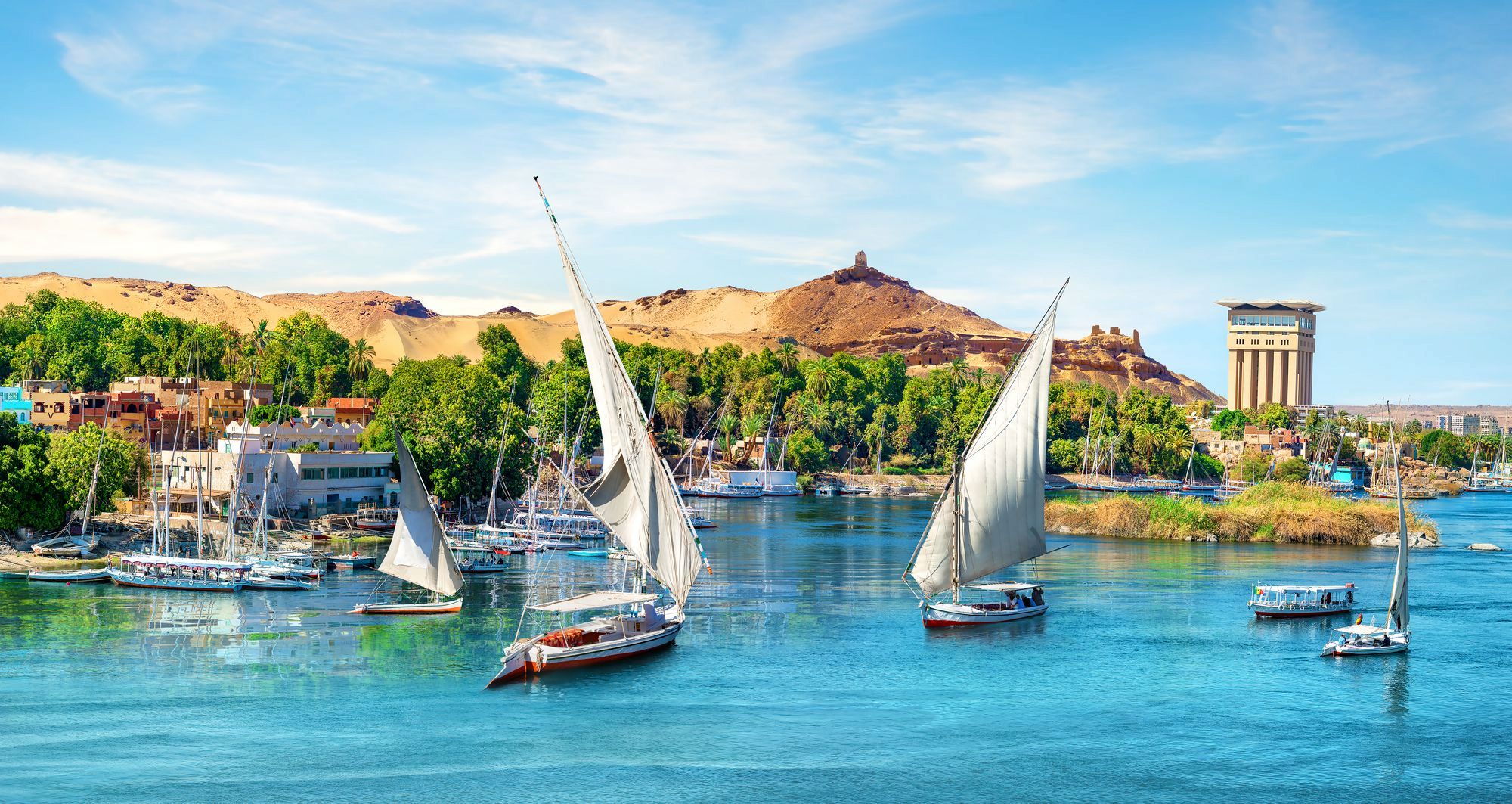
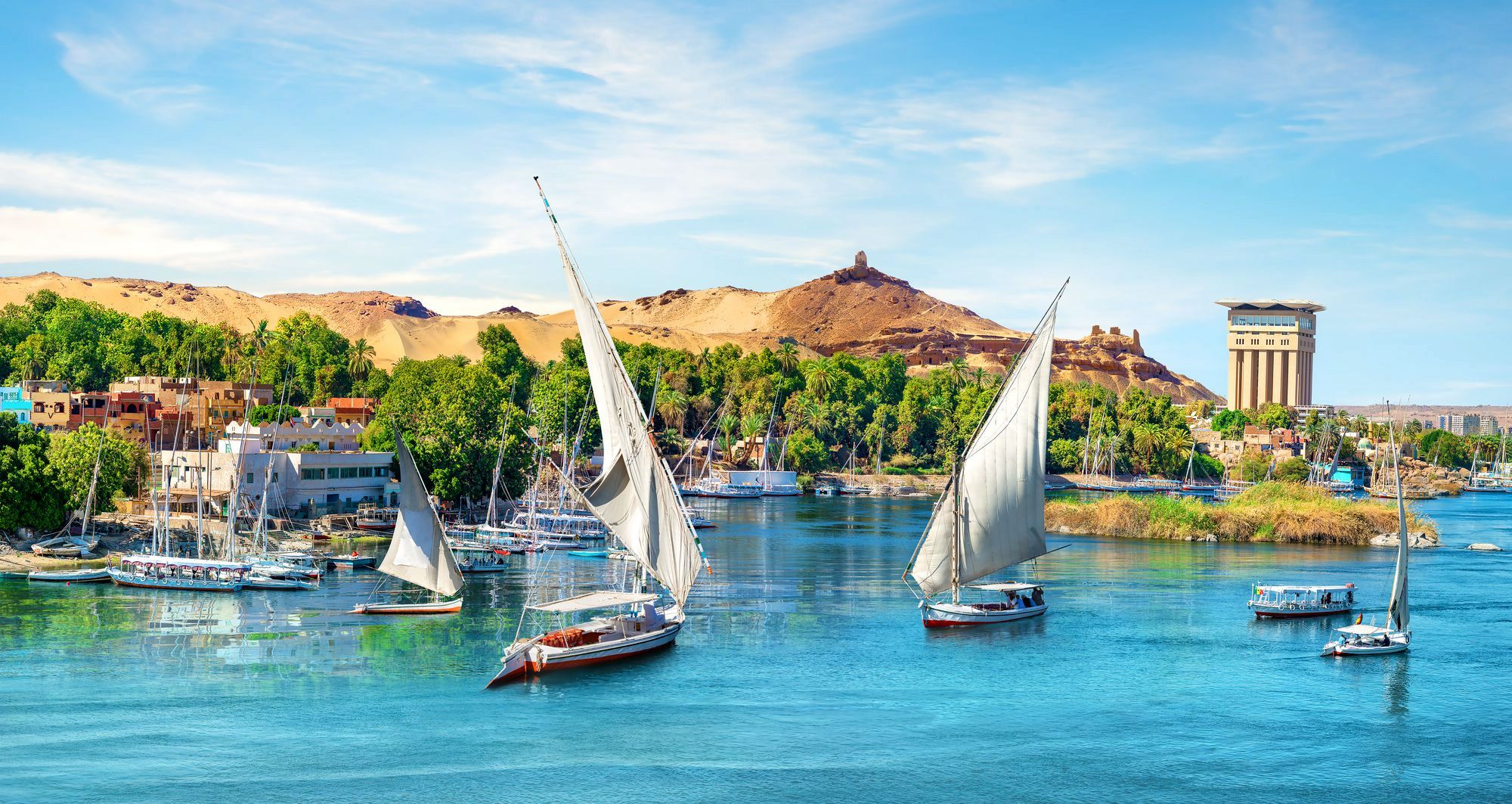
The setting is part of the attraction. Unlike many archaeological sites surrounded by modern roads and buildings, Philae is reached by boat, allowing visitors to approach the monuments from the Nile.
Where Is Philae Temple?
Philae Temple is located on Agilkia Island, south of central Aswan.
The original Philae Island was eventually threatened by the waters associated with the Aswan High Dam. During the international Nubia rescue campaign, the monuments were dismantled and relocated stone by stone to Agilkia Island.
Today, visitors travel by boat from the mainland to reach the archaeological complex.
How to Get to Philae Temple
The easiest option for most international travelers is to arrange a visit through a licensed tour operator or local guide.
Your trip generally involves:
-
Traveling to the departure point near Aswan.
-
Taking a small motorboat across the Nile.
-
Arriving at Agilkia Island.
-
Exploring the temple complex on foot.
-
Returning by boat to the mainland.
The boat journey is relatively short, but it adds to the experience because you get beautiful views of the Nile and surrounding islands.
For first-time visitors, combining transportation, a guide, and the temple entrance can make the visit much easier.
What to See at Philae Temple
Temple of Isis
The main attraction is the Temple of Isis. Isis was associated with motherhood, magic, protection, and the resurrection of Osiris.
The temple contains impressive reliefs and inscriptions that tell stories connected with Isis, Osiris, and Horus.
One particularly interesting detail is that Philae remained an active religious center for centuries. According to Egypt's Ministry of Tourism and Antiquities, the last dated hieroglyphic inscription at the site dates to 394 AD.
The Kiosk of Trajan
The Kiosk of Trajan is one of the most recognizable structures at Philae.
Its columns and open design make it especially attractive for photography. Although its roof has disappeared, the surviving structure remains one of the highlights of the complex.
Temple of Hathor
The complex also includes a temple dedicated to Hathor. Its presence demonstrates how Philae developed over different historical periods rather than being constructed as a single monument.
Birth House
The mammisi, or birth house, is another important part of the complex. It was connected with the story of the birth of Horus and the religious mythology surrounding Isis and Osiris.
Best Time to Visit Philae Temple
Aswan can become extremely hot, particularly during the summer.
For a more comfortable experience, consider visiting early in the morning or later in the afternoon. Morning visits can provide cooler temperatures and softer light for photography.
If you are visiting Egypt during the winter months, daytime temperatures are generally more comfortable for sightseeing.
The official Ministry of Tourism and Antiquities currently lists Philae's visiting hours as 7:00 AM to 4:00 PM, but travelers should verify current schedules and ticket information before visiting.
How Long Do You Need at Philae?
Plan approximately two to three hours for the complete experience, including the boat ride and time exploring the monuments.
History enthusiasts may want longer, especially if they are visiting with a knowledgeable guide.
If your Aswan itinerary includes the Unfinished Obelisk, Nubian villages, and the Aswan High Dam, Philae can easily fit into a full or half-day sightseeing plan.
Should You Hire a Guide?
A guide is not essential, but it can significantly improve the experience.
Many inscriptions and reliefs at Philae have religious meanings that are difficult to understand without historical context. A knowledgeable Egyptologist can explain the stories of Isis, Osiris, and Horus and point out important architectural details.
If you prefer independent travel, consider reading about the temple's history before arriving.
Photography Tips
Philae is one of the most photogenic archaeological sites in Aswan.
For better photographs:
-
Visit early or late in the day.
-
Photograph the temple from the boat as you approach.
-
Look for details in the columns and reliefs.
-
Capture the contrast between ancient stone and the Nile.
-
Bring a comfortable camera or smartphone rather than excessive equipment.
Always follow the site's photography rules and instructions from staff.
What to Wear
Wear comfortable clothing and walking shoes. Aswan can be hot, so lightweight clothing, sunglasses, sunscreen, and a hat are useful.
Because you are visiting an important religious and archaeological site, modest clothing is also a good choice.
Is Philae Temple Worth Visiting?
Absolutely.
Philae offers a combination that is difficult to find elsewhere in Egypt: ancient temples, mythology, Nile scenery, and a boat journey all in one experience.
It is especially worthwhile for travelers who want to experience more than Cairo and Luxor. Aswan has its own distinct character, and Philae is one of the best places to appreciate it.
Frequently Asked Questions
Is Philae Temple on its original island?
No. The monuments were relocated from the original Philae Island to nearby Agilkia Island during the Nubia rescue campaign because of flooding associated with the Aswan High Dam.
How do you reach Philae Temple?
Visitors reach the temple by boat from the mainland near Aswan. The boat ride is part of the experience.
What is Philae Temple famous for?
Philae is particularly famous for its Temple of Isis, its beautiful island setting, and its connection to the religious mythology of Isis, Osiris, and Horus.
How long should I spend at Philae?
Around two to three hours is a reasonable amount of time for most visitors, although history enthusiasts may prefer longer.
Is Philae Temple worth visiting?
Yes. Its combination of history, architecture, mythology, and Nile scenery makes it one of the highlights of an Aswan itinerary.
Final Thoughts
A visit to Philae is one of the most memorable experiences you can have in Aswan. From the boat ride across the Nile to the monumental Temple of Isis, the site offers a different perspective on ancient Egypt.
If you are building an Egypt itinerary that includes Cairo, Luxor, and Aswan, make sure Philae Temple has a place on your list.