

 Ahmed Ragaie
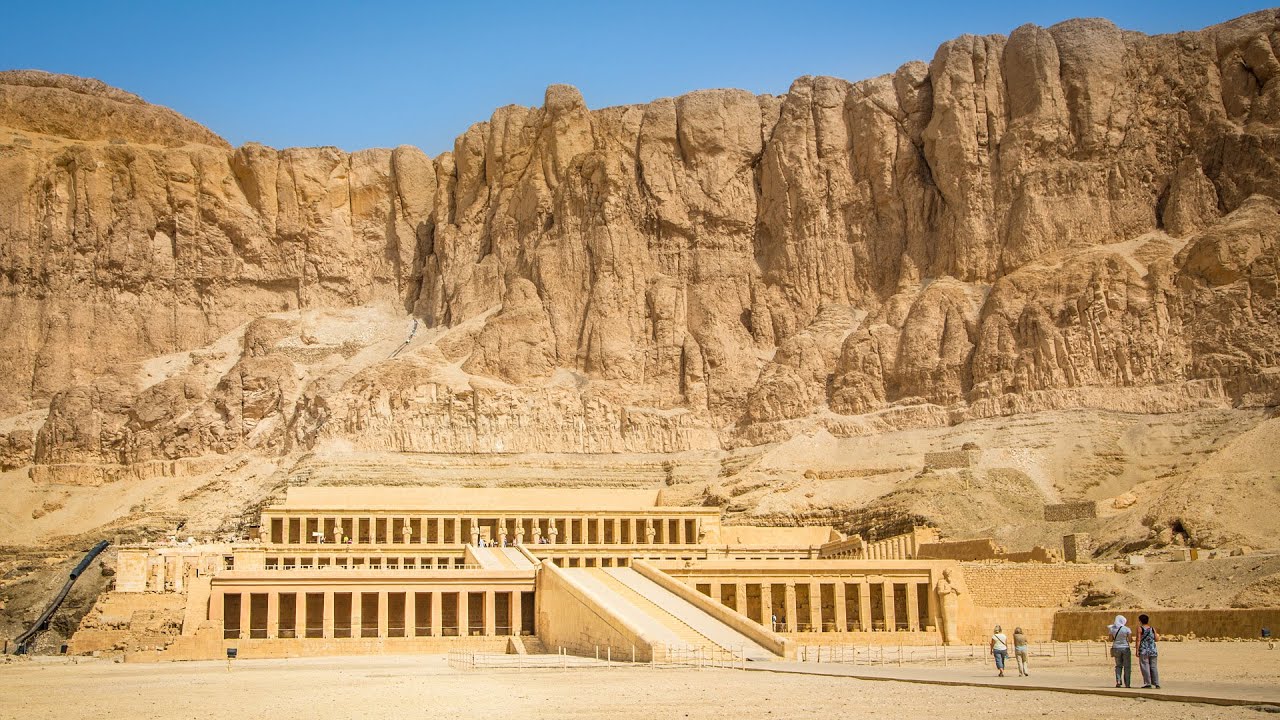
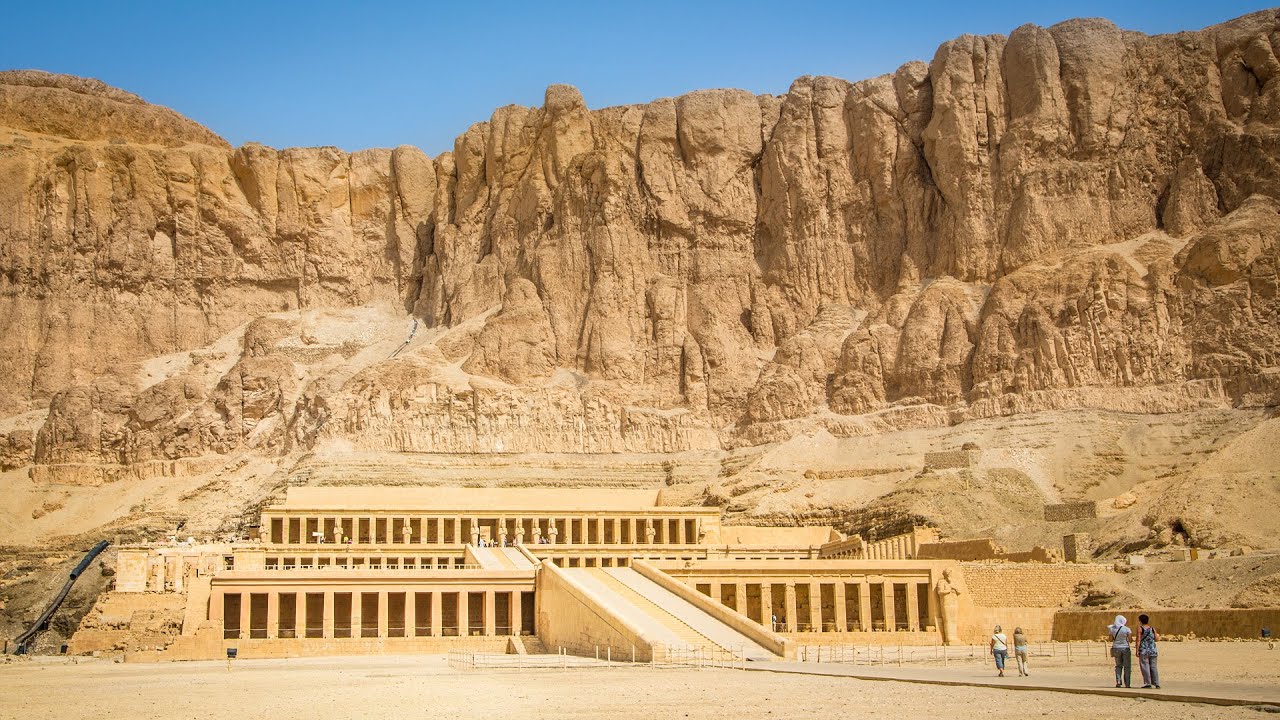
While the colossal temples of Karnak, Luxor, and Abu Simbel receive worldwide fame, one of the most historically significant and poetic monuments in Upper Egypt sits quietly on the West Bank of Luxor. The Ramesseum Temple Luxor, built as the grand mortuary complex of Pharaoh Ramses II (Ramses the Great), stands as a monument to royal ambition, artistic skill, and the inevitable passage of time.
Ramesseum Temple Luxor: The Mortuary Temple of Ramses II
While the colossal temples of Karnak, Luxor, and Abu Simbel receive worldwide fame, one of the most historically significant and poetic monuments in Upper Egypt sits quietly on the West Bank of Luxor. The Ramesseum Temple Luxor, built as the grand mortuary complex of Pharaoh Ramses II (Ramses the Great), stands as a monument to royal ambition, artistic skill, and the inevitable passage of time.
It was standing before the shattered, colossal fallen granite statue of Ramses II at this exact site in 1817 that inspired the famous English Romantic poet Percy Bysshe Shelley to write his iconic poem, Ozymandias.
If you want to explore a towering 19th Dynasty complex without navigating large tour bus crowds, here is a complete guide to visiting the Ramesseum Temple Luxor.
The Vision of Ramses the Great
Built during the 13th century BC, the Ramesseum was designed to serve as the spiritual heart of Ramses II’s royal ancestor cult. Here, priests performed daily rituals and presented offerings to sustain the pharaoh’s spirit in the afterlife for eternity.
-
Architectural Layout: The complex featured two grand entrance pylons, open courtyards lined with Osiride statues, a soaring hypostyle hall supported by 48 sandstone columns, inner sanctuaries, a royal palace, and vast mudbrick storerooms.
-
Built on Floodplains: Unfortunately, like many West Bank mortuary temples, the Ramesseum was constructed close to the agricultural floodplain. Centuries of annual Nile floods eroded the mudbrick foundations, causing major stone structures to collapse over time.
The Fallen Colossus of Ozymandias
The undisputed highlight of the Ramesseum Temple Luxor is the massive shattered granite statue of Ramses II lying in the First Courtyard.
-
Staggering Weight: Carved from a single block of pink Aswan granite, this single seated statue originally stood over 57 feet tall and weighed an estimated 1,000 tons—making it one of the heaviest single stone blocks ever quarried and moved by human hands.
-
The Inspiration for Shelley: When the shattered upper torso and head of the giant statue were surveyed by European explorers in the early 19th century, its sheer scale inspired Percy Bysshe Shelley's famous lines:
"Look on my Works, ye Mighty, and despair! / Nothing beside remains. Round the decay / Of that colossal Wreck, boundless and bare / The lone and level sands stretch far away."
Key Reliefs and Mudbrick Vaults to Explore
Exploring beyond the fallen colossus reveals incredible historic wall carvings and unique mudbrick architecture:
1. The Battle of Kadesh Reliefs
The interior faces of the pylon walls feature detailed low-relief carvings depicting Ramses II’s famous military campaign against the Hittites at the Battle of Kadesh in modern-day Syria. The scenes show Egyptian war chariots charging into battle, enemy soldiers falling into the Orontes River, and royal army camps.
2. The Mudbrick Granaries and Storerooms
Surrounding the rear and sides of the stone temple are extensive, barrel-vaulted mudbrick storerooms that remain remarkably intact. In antiquity, these vaulting chambers stored vast reserves of grain, olive oil, wine, textiles, and precious metals collected as agricultural taxes from across the Egyptian Empire.
3. The Astronomical Ceiling
The central hypostyle hall features preserved ceiling blocks carved with astronomical calendars, depicting constellations, planets, and religious star charts used by priests to calculate sacred festival dates.
Practical Visitor Guidelines
-
Location Advantage: The Ramesseum sits directly between the Colossi of Memnon and Medinet Habu on the West Bank road.
-
Uncrowded Atmosphere: Because major tour group buses often bypass this site in favor of the Valley of the Kings, you will frequently have the grand stone courtyards and fallen statues almost entirely to yourself.
-
Best Time for Photography: Early morning light illuminates the relief carvings on the pylon walls, highlighting the rich textures of the pink granite fragments against the golden West Bank mountains.
Exploring the Ramesseum Temple Luxor offers a poetic, contemplative look at the artistic height and monumental legacy of Ramses the Great.