

 Ahmed Ragaie
Far from the busy streets of Cairo and the popular beaches of the Red Sea, Siwa Oasis feels like another world. Surrounded by the vast Western Desert, this remote oasis is known for its palm groves, salt lakes, natural springs, ancient ruins, desert landscapes, and distinctive Siwan culture.
Siwa Oasis Travel Guide: Egypt's Most Remote and Magical Destination
Far from the busy streets of Cairo and the popular beaches of the Red Sea, Siwa Oasis feels like another world. Surrounded by the vast Western Desert, this remote oasis is known for its palm groves, salt lakes, natural springs, ancient ruins, desert landscapes, and distinctive Siwan culture.
For American travelers looking for an experience beyond Egypt's classic attractions, Siwa offers something completely different. It is slower, quieter, more remote, and deeply connected to its local traditions.
This Siwa Oasis travel guide covers what to see, things to do, how to get there, where to stay, when to visit, and what to know before planning your trip.
Where Is Siwa Oasis?
Siwa is located in Egypt's Western Desert, relatively close to the Libyan border. It is one of Egypt's most remote oases and is separated from the country's major tourist centers by long stretches of desert.
The Egyptian tourism authority describes Siwa as one of Egypt's most remote desert destinations, known for its salt lakes, hot springs, palm and olive groves, archaeological sites, and access to the Great Sand Sea.
The journey is long compared with visiting places such as Giza or Alexandria, but that remoteness is part of Siwa's appeal.
Why Visit Siwa Oasis?
Siwa is ideal for travelers who want to slow down and experience a different side of Egypt.
Instead of crowded archaeological sites and busy city streets, you can spend your days:
-
Swimming in natural springs
-
Floating in salt lakes
-
Exploring ancient ruins
-
Walking through palm groves
-
Visiting traditional markets
-
Exploring the desert by 4x4
-
Sandboarding in the dunes
-
Watching desert sunsets
-
Enjoying traditional Siwan food
-
Staying in an eco-lodge
Siwa also has a distinctive local culture and language, influenced by its long history and Amazigh heritage.
1. Explore the Ruins of Shali
One of the first places to visit in Siwa is Shali, the historic mud-brick settlement at the heart of the oasis.
Built from a traditional mixture of mud and salt, Shali once served as a fortified settlement for the local community.
Today, visitors can walk through its narrow paths and climb toward higher points for panoramic views of Siwa.
The ruins are especially beautiful around sunset, when the warm light highlights the earthy colors of the ancient structures.
2. Visit the Temple of the Oracle
History lovers should make time for the Temple of the Oracle at Aghurmi.
The site is associated with the famous Oracle of Amun and Alexander the Great. According to historical tradition, Alexander visited the oracle during his campaign in Egypt.
The temple provides an important connection between Siwa and the ancient Mediterranean world.
For travelers interested in Alexander the Great, ancient Egypt, and classical history, this is one of the most important attractions in the oasis.
3. Swim in Siwa's Salt Lakes
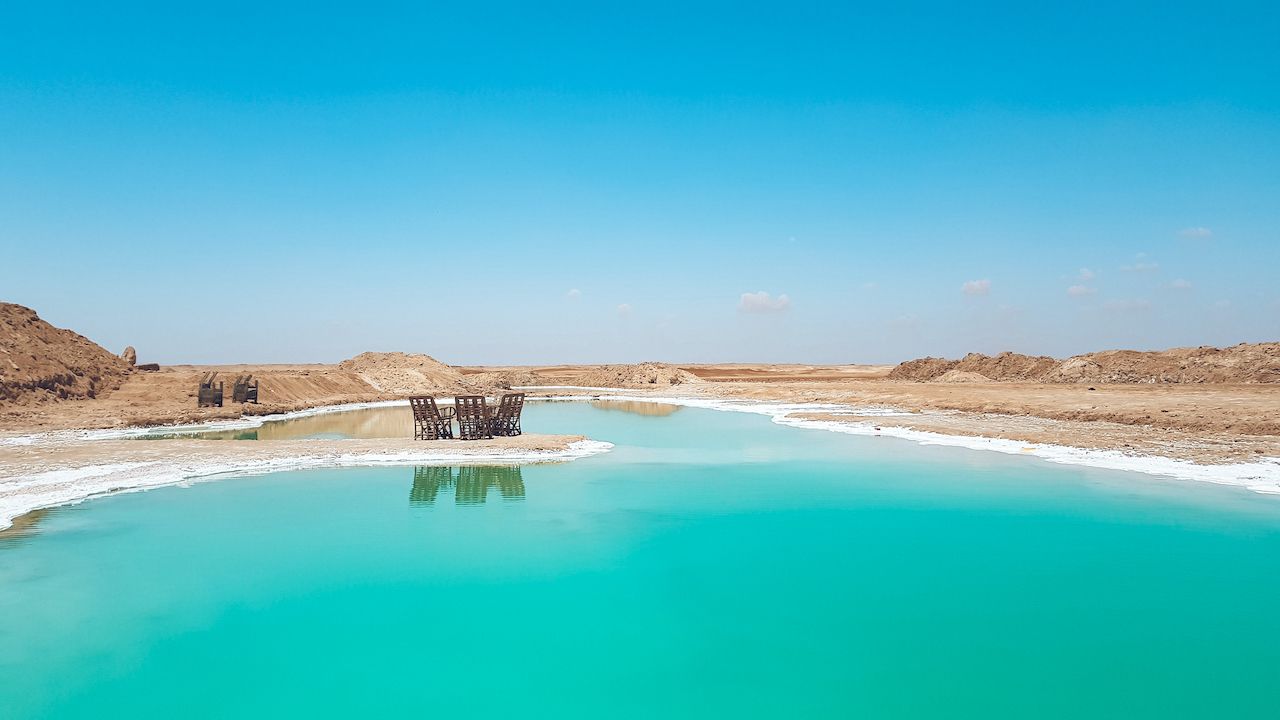
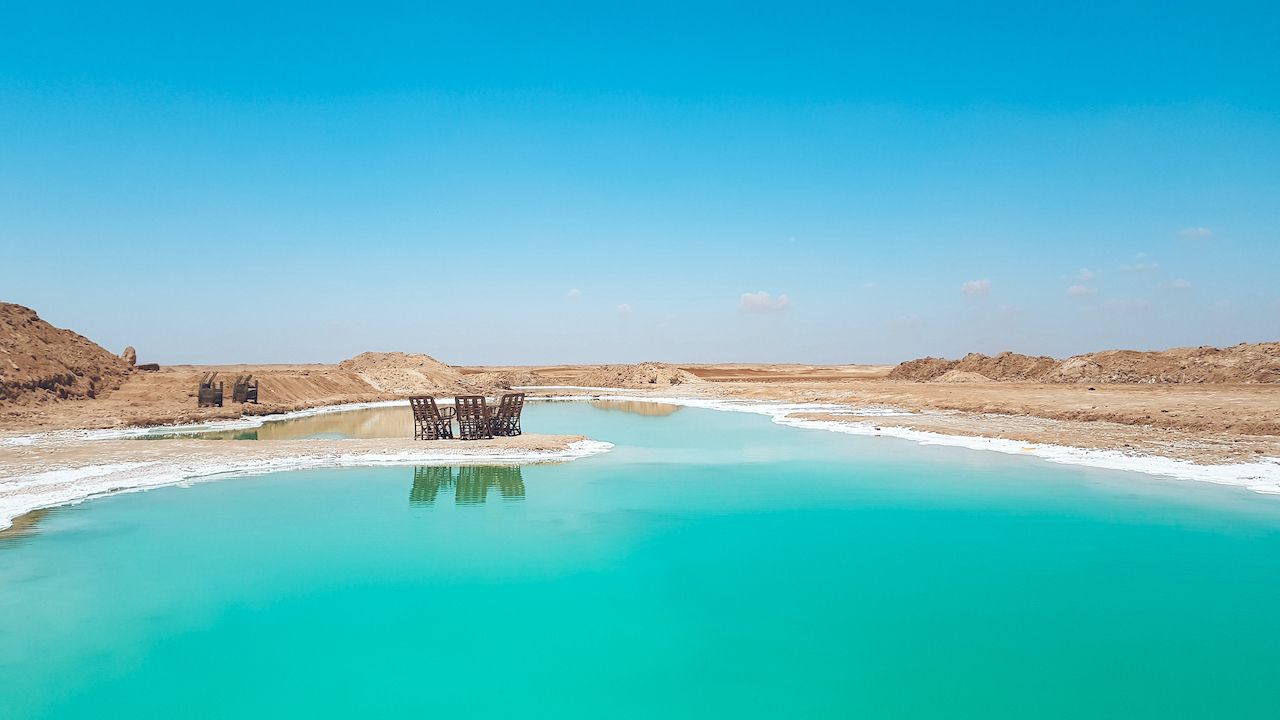
The salt lakes are among Siwa's most recognizable natural attractions.
Their high salt concentration allows visitors to float easily on the surface, creating an unusual swimming experience.
The bright blue water surrounded by desert landscapes and palm trees also makes the lakes a favorite location for photography.
Always follow local guidance about which areas are suitable for swimming and avoid entering unfamiliar or restricted water.
4. Relax at Cleopatra's Spring
Cleopatra's Spring, also known as the Spring of the Sun, is one of Siwa's most famous natural water sources.
The traditional stone pool is surrounded by palm trees and local cafés, making it a popular place to stop and relax.
After exploring the desert or archaeological sites, taking a break beside a natural spring can be one of the most enjoyable parts of a Siwa itinerary.
5. Explore the Great Sand Sea
For adventure travelers, the Great Sand Sea is one of Siwa's biggest attractions.
The enormous dune landscape extends westward from the oasis and provides opportunities for 4x4 excursions, sandboarding, and desert adventures.
A typical desert excursion can include dune driving, sunset stops, visits to springs, and a traditional dinner.
Because of the area's remoteness, desert excursions should be arranged with experienced local guides rather than attempted independently.
6. Enjoy a Siwan Sunset
Siwa is one of those places where you do not need a complicated activity to have a memorable experience.
Find a high viewpoint, sit among the palms, or head into the desert and watch the sun disappear across the horizon.
The combination of golden sand, palm trees, salt lakes, and traditional mud-brick architecture makes sunset particularly special.
7. Experience Siwan Culture and Cuisine
One of the strongest reasons to visit Siwa is its distinctive culture.
The oasis is home to communities with their own traditions and language, and hospitality plays an important role in local life. Many residents are involved in tourism through hotels, eco-lodges, restaurants, cafés, and guiding.
Food is another important part of the experience.
Traditional Siwan cuisine includes dishes prepared with local ingredients and traditional cooking techniques. One example is abou mardam, in which meat and vegetables are slow-cooked under the sand.
8. Stay in an Eco-Lodge
Siwa is particularly well known for its eco-lodges.
Some accommodations use local materials and traditional architectural techniques to create a quieter, more natural experience.
Instead of choosing a large international resort, consider staying at a locally operated eco-lodge if your goal is to experience the character of the oasis.
How to Get to Siwa Oasis
Getting to Siwa requires more planning than visiting Egypt's major tourist destinations.
Travelers commonly reach Siwa from Cairo or Alexandria by road, with organized tours, private transportation, or buses being common options. Current travel guides estimate roughly 8–12 hours depending on the starting point and transportation method.
Because the journey is long, Siwa is better suited to travelers who can spend several days there rather than trying to visit as a quick day trip.
How Many Days Do You Need in Siwa?
Ideally, plan at least 3 days and 2 nights.
This gives you enough time to explore the town, visit historical sites, enjoy the salt lakes and springs, and take a desert excursion.
With four or five days, you can slow down and experience the oasis without rushing between attractions.
Best Time to Visit Siwa
The cooler months are generally the most comfortable for exploring Siwa.
October through April is widely considered a more pleasant period for outdoor activities, while summer temperatures can become extremely high. Winter nights can also be surprisingly cold, so bring layers.
Spring and autumn can be particularly attractive if you want a balance between comfortable daytime temperatures and cooler evenings.
What to Pack for Siwa
Because Siwa is remote, packing thoughtfully is important.
Bring:
-
Comfortable walking shoes
-
Lightweight clothing
-
Warm layers for evenings
-
Sunscreen
-
Sunglasses
-
Hat
-
Reusable water bottle
-
Swimwear
-
Personal medication
-
Small amounts of Egyptian cash
-
Power bank
-
Camera
Carry small bills because smaller businesses and local vendors may not accept cards.
Is Siwa Safe for American Travelers?
The best approach is to plan your trip through reputable transportation providers, hotels, and local guides, especially for desert excursions.
Siwa's location near the Libyan border means travelers should pay attention to current travel guidance and local restrictions before heading into remote desert areas.
For desert trips, use experienced local guides and follow any permit or access requirements.
Is Siwa Worth Visiting?
Absolutely—if you enjoy places that feel different from the standard tourist route.
Siwa combines natural landscapes, ancient history, desert adventure, traditional culture, and a slower pace of life.
For an American traveler who has already seen the pyramids, museums, and Red Sea resorts, Siwa offers an opportunity to experience a quieter and more authentic side of Egypt.
FAQs About Siwa Oasis
What is Siwa Oasis famous for?
Siwa is famous for its salt lakes, natural springs, palm groves, desert landscapes, ancient ruins, eco-lodges, and distinctive local culture.
How long should I stay in Siwa?
Three days and two nights is a good starting point. Longer stays allow you to explore the oasis and desert at a more relaxed pace.
Can you swim in Siwa's salt lakes?
Yes, swimming and floating in selected salt lakes is a popular Siwa experience. Follow local guidance regarding safe and appropriate locations.
Is Siwa worth visiting from Cairo?
Yes, but the journey is long. Siwa is best included as a multi-day destination rather than a quick day trip from Cairo.
What is the best time to visit Siwa?
The cooler period from approximately October through April is generally more comfortable for sightseeing and outdoor activities.
Final Thoughts
Siwa Oasis is one of Egypt's most unusual destinations. Its remote location, salt lakes, palm-filled landscapes, ancient ruins, desert adventures, and distinctive culture make it an excellent choice for travelers who want to go beyond the classic Egypt itinerary.
If you are looking for a destination that combines nature, history, culture, and adventure, Siwa deserves a place on your Egypt travel plans.