

 Ahmed Ragaie
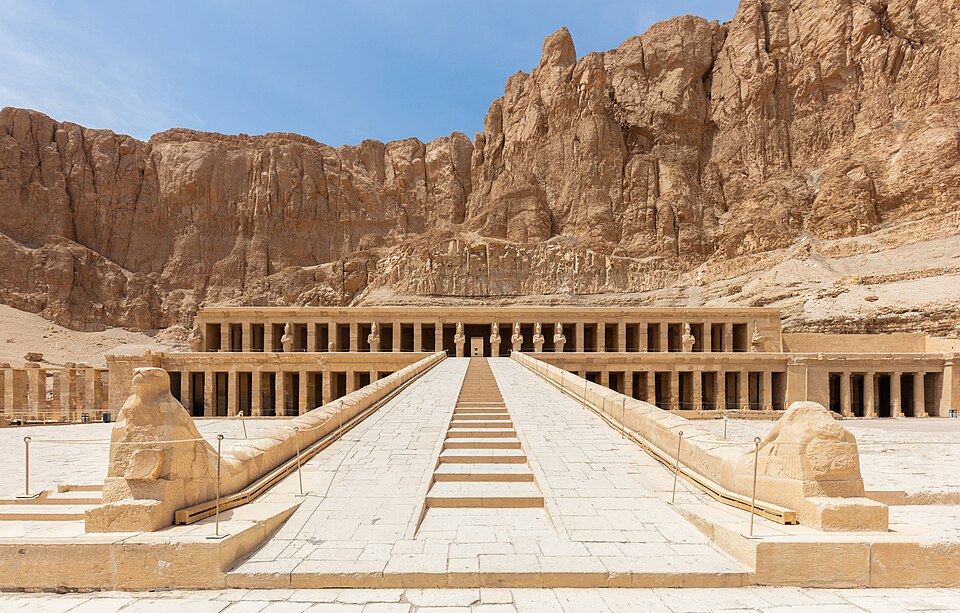
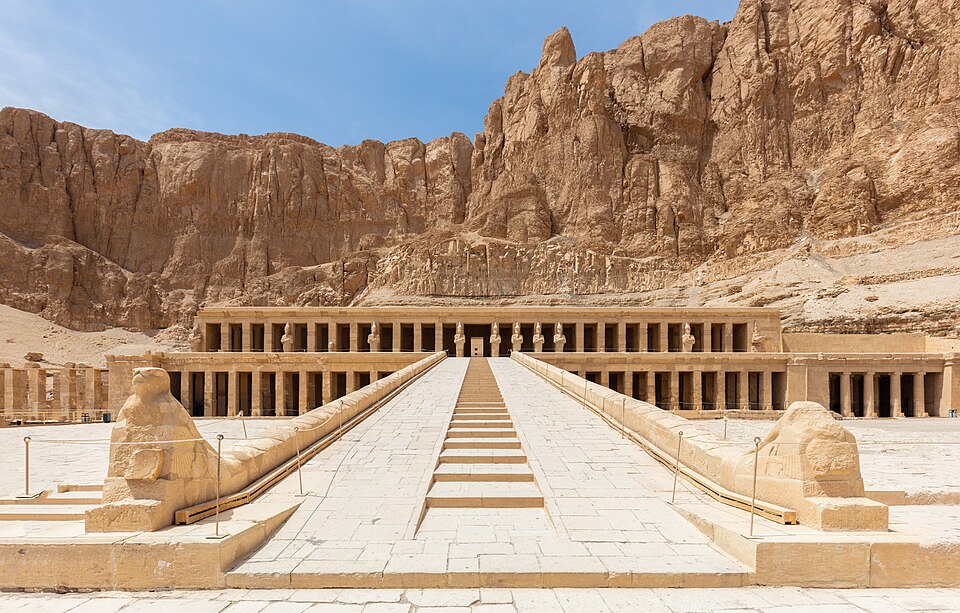
Unlike the traditional pyramid-shaped monuments that many travelers associate with ancient Egypt, this temple is built into the natural landscape, with broad terraces, long ramps, enormous columns, and beautifully decorated walls.
Discovering the Temple of Hatshepsut: Egypt's Most Unique Monument
Rising dramatically against the limestone cliffs of Luxor's West Bank, the Temple of Hatshepsut is one of the most distinctive monuments in Egypt.
Unlike the traditional pyramid-shaped monuments that many travelers associate with ancient Egypt, this temple is built into the natural landscape, with broad terraces, long ramps, enormous columns, and beautifully decorated walls.
The Temple of Hatshepsut was built for Queen Hatshepsut, one of ancient Egypt's most remarkable rulers. Her reign was notable not only because she was a woman who ruled as pharaoh, but also because of the ambitious building projects and trading expeditions associated with her reign.
Today, the temple is one of the most important attractions in Luxor and an essential stop for anyone exploring the West Bank.
Who Was Queen Hatshepsut?
Hatshepsut was one of ancient Egypt's most powerful female rulers.
She belonged to Egypt's 18th Dynasty and became pharaoh during the New Kingdom.
Her reign was associated with prosperity, major construction projects, and international trade.
Why Was Hatshepsut Important?
Hatshepsut's position was unusual because ancient Egyptian kingship was traditionally associated with male rulers.
She adopted the traditional imagery and titles of a pharaoh and commissioned monuments that presented her as a legitimate ruler.
Her temple at Deir el-Bahari was one of the most ambitious expressions of her royal authority.
Where Is the Temple of Hatshepsut?
The Temple of Hatshepsut is located at Deir el-Bahari on the West Bank of Luxor.
The location is particularly dramatic because the temple is positioned directly against a massive limestone cliff.
This natural setting is one of the reasons the monument looks so different from many other ancient Egyptian temples.
The temple is also relatively close to other major West Bank attractions, including the Valley of the Kings and the Colossi of Memnon.
The Architecture of the Temple of Hatshepsut
One of the most impressive features of the temple is its architectural design.
The monument is organized into terraces connected by long ramps.
Three Main Levels
The temple's design includes multiple terraces that rise toward the cliffs.
The horizontal lines of the terraces contrast with the vertical limestone mountain behind them.
This combination creates one of the most recognizable architectural views in Luxor.
Why Is the Design Unique?
Many ancient Egyptian temples are dominated by massive pylons and enclosed courtyards.
Hatshepsut's temple uses the natural landscape as part of the architecture.
The cliffs do not simply provide a background—they become an essential element of the monument's design.
The Reliefs of Hatshepsut's Temple
The walls contain numerous reliefs and inscriptions.
These scenes provide information about Hatshepsut's reign, religious beliefs, and relationship with the gods.
The Expedition to Punt
One of the most famous sets of reliefs depicts Hatshepsut's expedition to the mysterious land of Punt.
The scenes show ships, people, animals, plants, and goods associated with the expedition.
The reliefs are valuable because they provide insight into ancient Egyptian trade and the wider world known to Egyptians at the time.
Hatshepsut and the God Amun
Religion played a central role in the temple's purpose.
Hatshepsut associated herself closely with Amun, one of the most important gods of ancient Egypt.
The temple included sacred spaces dedicated to Amun and other deities.
Why Was Amun Important?
Amun became especially important during the New Kingdom and was strongly associated with the religious traditions of Thebes.
Hatshepsut's connection with Amun helped reinforce the religious legitimacy of her rule.
What Can You See at the Temple of Hatshepsut?
Visitors can explore several important areas, including:
-
Monumental terraces
-
Long ramps
-
Colonnades
-
Reliefs
-
Statues
-
Chapels
-
Sanctuaries
-
Decorative inscriptions
-
Views of the surrounding cliffs
The architecture itself is one of the main attractions, but the details in the reliefs reveal much about ancient Egyptian culture and religion.
Why Is the Temple of Hatshepsut Worth Visiting?
The temple is worth visiting for several reasons.
1. Unique Architecture
Its terrace design makes it visually different from many other Egyptian temples.
2. Dramatic Location
The monument is built directly beneath enormous limestone cliffs.
3. Historical Importance
It provides insight into the reign of one of Egypt's most famous female rulers.
4. Beautiful Reliefs
The surviving decorations reveal stories about religion, trade, and royal power.
5. Convenient Location
The temple can easily be combined with other West Bank attractions.
Temple of Hatshepsut and the Valley of the Kings
Many travelers visit both sites on the same day.
The Valley of the Kings focuses primarily on royal tombs and the ancient Egyptian concept of the afterlife.
The Temple of Hatshepsut, meanwhile, was a monumental funerary and religious complex associated with Hatshepsut's reign and worship.
Visiting both provides a broader understanding of the religious and funerary landscape of ancient Thebes.
Temple of Hatshepsut and Karnak Temple
Karnak and Hatshepsut's temple are also connected to her reign.
Hatshepsut contributed monuments to Karnak, including an impressive obelisk.
Visiting Karnak after the Temple of Hatshepsut allows travelers to see another part of her architectural legacy.
Best Time to Visit the Temple of Hatshepsut
The temple is an outdoor archaeological attraction, so timing matters.
Visit Early in the Morning
Early morning is generally more comfortable, particularly during warmer periods.
The sunlight can also create beautiful conditions for photography.
Avoid the Strongest Heat
Luxor can become very hot during the summer.
If you visit during warmer months, schedule the temple early and carry plenty of water.
What Should You Wear?
Comfortable clothing and shoes are recommended.
Consider wearing:
-
Comfortable walking shoes
-
Lightweight clothing
-
Sunglasses
-
A hat
-
Sunscreen
The site includes ramps and walking areas, so comfortable footwear is particularly useful.
How Long Does It Take to Visit?
Most visitors can explore the main areas in around one to two hours.
However, travelers interested in architecture and ancient Egyptian history may want more time to examine the reliefs and inscriptions.
If you are visiting with a guide, the tour may take longer because of the historical explanations.
Can You Visit the Temple of Hatshepsut Without a Guide?
Yes.
You can explore the site independently, but a guide can add significant context.
Many of the reliefs and inscriptions are difficult to understand without historical background.
A knowledgeable guide can explain Hatshepsut's reign, her relationship with Amun, the expedition to Punt, and the temple's religious purpose.
Other Attractions Near the Temple of Hatshepsut
One advantage of visiting the temple is its location near several important West Bank attractions.
You can combine it with:
Valley of the Kings
Explore the royal tombs of the New Kingdom.
Colossi of Memnon
See the enormous statues of Amenhotep III.
Medinet Habu
Visit the impressive temple of Ramesses III.
Deir el-Medina
Learn about the workers and craftsmen who created royal tombs.
A full West Bank itinerary can include several of these attractions in one day.
The Later History of the Temple
The history of Hatshepsut's temple did not end with her death.
Over later periods, parts of the monument were altered, damaged, or reused.
Some images and references to Hatshepsut were deliberately removed during the reign of her successor, Thutmose III.
Over time, natural deterioration and human activity also affected the structure.
Modern archaeological and conservation work has helped preserve the temple for today's visitors.
Photography at the Temple of Hatshepsut
The temple is one of the most photogenic ancient sites in Egypt.
The combination of geometric terraces, sandstone architecture, and dramatic cliffs creates strong visual contrasts.
Best Photography Opportunities
Try photographing:
-
The full temple from the lower level
-
The central ramps
-
The terraces against the cliffs
-
Columns and reliefs
-
Wide views of the surrounding landscape
Early morning light can be particularly attractive.
Tips for Visiting the Temple of Hatshepsut
Arrive Early
Early visits are usually more comfortable in warm weather.
Bring Water
The area is exposed to the sun, so hydration is important.
Wear Comfortable Shoes
You will be walking across terraces, ramps, and outdoor surfaces.
Learn the Story Before You Go
Understanding Hatshepsut's history can make the monument much more meaningful.
Combine It With Other West Bank Sites
The temple is best experienced as part of a broader Luxor itinerary.
Frequently Asked Questions About the Temple of Hatshepsut
What is the Temple of Hatshepsut famous for?
The Temple of Hatshepsut is famous for its unique terrace architecture, dramatic location beneath limestone cliffs, detailed reliefs, and connection to Queen Hatshepsut.
Where is the Temple of Hatshepsut located?
It is located at Deir el-Bahari on the West Bank of Luxor, near the Valley of the Kings.
Who built the Temple of Hatshepsut?
The temple was commissioned by Queen Hatshepsut during her reign in Egypt's 18th Dynasty.
How long does it take to visit the Temple of Hatshepsut?
Most visitors can see the main areas in around one to two hours, although history enthusiasts may want longer.
Can you visit the Temple of Hatshepsut and Valley of the Kings on the same day?
Yes. The two sites are located on the West Bank and are commonly included in the same sightseeing itinerary.
Is the Temple of Hatshepsut worth visiting?
Yes. Its unique architecture, dramatic setting, historical importance, and surviving reliefs make it one of Luxor's most impressive monuments.
Final Thoughts
The Temple of Hatshepsut is one of the most distinctive monuments in ancient Egypt.
Its terraces rise beneath the cliffs of Deir el-Bahari, creating a dramatic combination of architecture and natural landscape.
But the temple is more than a beautiful monument. Its reliefs and inscriptions tell the story of a remarkable female pharaoh, her religious beliefs, her connection to Amun, and her famous expedition to Punt.
For anyone exploring Luxor, the Temple of Hatshepsut deserves a place alongside the Valley of the Kings and Karnak Temple. Give yourself enough time to appreciate both its architecture and the history behind it, and it can become one of the most memorable stops on your Egypt itinerary.
Sharm El Sheikh vs. Hurghada: Which Red Sea Resort is Better?