

 Ahmed Ragaie
Luxor is one of the most extraordinary destinations in Egypt and one of the best places in the world to experience ancient history. Built around the ancient city of Thebes, Luxor is filled with monumental temples, royal tombs, museums, and archaeological treasures that stretch across both sides of the Nile.
Best Things to Do in Luxor: The World's Greatest Open-Air Museum
Luxor is one of the most extraordinary destinations in Egypt and one of the best places in the world to experience ancient history. Built around the ancient city of Thebes, Luxor is filled with monumental temples, royal tombs, museums, and archaeological treasures that stretch across both sides of the Nile.
Often described as the world's greatest open-air museum, Luxor gives travelers the opportunity to explore thousands of years of Egyptian history in a relatively compact area. The city is divided by the Nile into the East Bank and West Bank, with major temples on the eastern side and many of the most famous royal tombs and funerary monuments on the western side.
If you are planning a trip to southern Egypt, knowing the best things to do in Luxor can help you make the most of your time. From exploring Karnak Temple and the Valley of the Kings to taking a hot-air balloon ride over the ancient landscape, Luxor offers experiences for history lovers, photographers, families, and adventure seekers alike.
Best Things to Do in Luxor
There is much more to Luxor than a single famous temple. The city combines monumental architecture, ancient tombs, museums, local markets, Nile experiences, and spectacular desert landscapes.
Here are some of the top experiences to include in your itinerary.
1. Explore the Karnak Temple Complex
No list of the best things to do in Luxor would be complete without Karnak.
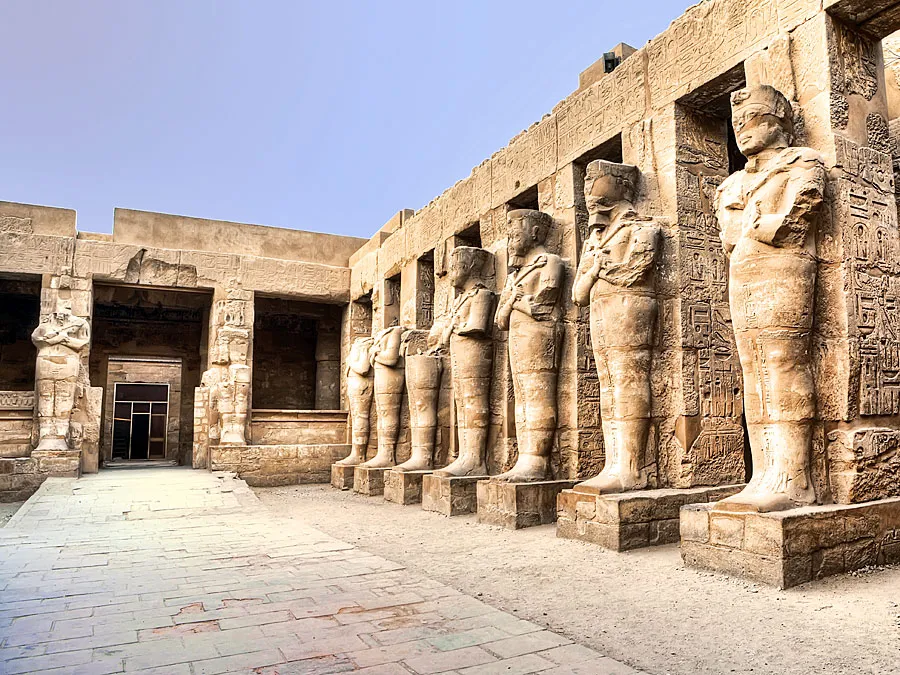
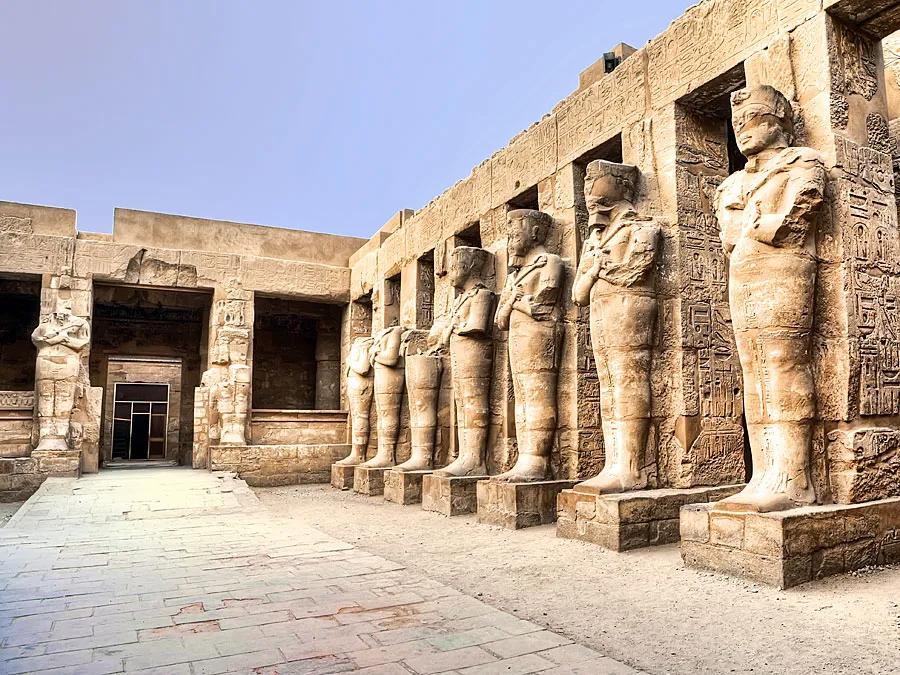
Karnak is one of the largest and most impressive ancient religious complexes in Egypt. Construction and expansion continued for centuries, with numerous pharaohs contributing temples, pylons, columns, statues, and other monuments to the site.
What to See at Karnak Temple
The Great Hypostyle Hall is one of the highlights, featuring 134 massive papyrus-shaped columns. Other important features include the Sacred Lake, obelisks associated with Hatshepsut and Thutmose I, chapels, statues, and monumental gateways.
Allow enough time to explore the complex rather than simply stopping for a few photographs. The scale of Karnak is part of what makes it so impressive.
2. Visit Luxor Temple
Located directly on the East Bank of the Nile, Luxor Temple is another essential stop.
Unlike Karnak, Luxor Temple is relatively compact, making it easier to explore. The temple was associated with the rejuvenation of kingship and played an important role in the ancient Opet Festival.
Visit Luxor Temple at Night
One of the best ways to experience Luxor Temple is after sunset.
The illuminated columns, statues, and ancient walls create a completely different atmosphere, making the temple particularly appealing to photographers and travelers looking for an evening activity.
The temple is connected historically to Karnak by the Avenue of Sphinxes, which was used for ceremonial processions.
3. Explore the Valley of the Kings
For many visitors, the Valley of the Kings is the highlight of a trip to Luxor.
Valley of the Kings is located on the West Bank and contains the tombs of numerous pharaohs of the New Kingdom.
Instead of building traditional pyramids, many rulers were buried in hidden tombs carved into the desert mountains.
What Can You See in the Valley of the Kings?
Visitors can explore several decorated tombs, where colorful wall paintings and hieroglyphic inscriptions provide an extraordinary look into ancient Egyptian beliefs about death and the afterlife.
The famous tomb of King Tutankhamun is also located here, although access to individual tombs depends on current ticketing and opening arrangements.
The Valley of the Kings forms part of the broader Ancient Thebes and its Necropolis UNESCO World Heritage area.
4. Visit the Temple of Hatshepsut
The Temple of Hatshepsut at Deir el-Bahari is one of the most recognizable monuments on Luxor's West Bank.
Built against a dramatic limestone cliff, the temple was dedicated to Queen Hatshepsut, one of ancient Egypt's most influential female rulers.
Why Is Hatshepsut's Temple Special?
The temple's terraces and architecture create a striking contrast with the surrounding desert mountains.
Visitors can also see reliefs and inscriptions that provide information about Hatshepsut's reign and religious role.
Because of its location and distinctive architecture, the temple is one of the most photographed things to do in Luxor.
5. See the Colossi of Memnon
The Colossi of Memnon are two enormous stone statues located on the West Bank.
The statues once stood in front of the monumental funerary temple of Amenhotep III and have become one of the most recognizable landmarks in Luxor.
They are particularly convenient to visit when exploring other West Bank attractions, including the Valley of the Kings and Hatshepsut's Temple.
6. Visit the Valley of the Queens
The Valley of the Queens provides another opportunity to explore ancient Egyptian tombs.
The site was used primarily for the burial of queens and other members of the royal family.
The Tomb of Nefertari
One of the most famous tombs in the Valley of the Queens belongs to Queen Nefertari.
The beautifully preserved decorations make it one of the most remarkable tombs in the Theban Necropolis. The official Egyptian tourism authority specifically highlights Nefertari's tomb as a major attraction in the Valley of the Queens.
Access to individual tombs can vary, so travelers should check current availability before visiting.
7. Visit Luxor Museum
If you want to understand more of Luxor's archaeological history without spending hours outdoors, the Luxor Museum is an excellent choice.
Luxor Museum overlooks the Nile and displays a carefully selected collection of statues, artifacts, and objects from different periods of Luxor's history.
Why Visit Luxor Museum?
Unlike some enormous museums, Luxor Museum offers a more focused experience. It can be particularly useful after visiting the temples and tombs because you can see important artifacts in a quieter museum environment.
8. Learn About Ancient Egyptian Mummification
The Mummification Museum is another interesting attraction on the East Bank.
The museum focuses on the ancient Egyptian mummification process and the beliefs surrounding preparation for the afterlife.
It offers a different perspective from the temples and tombs, allowing visitors to understand more about the religious practices connected with death and burial.
9. Take a Hot-Air Balloon Ride Over Luxor
For a completely different perspective, consider taking a hot-air balloon ride early in the morning.
Watching the sun rise over the Nile Valley while ancient temples and desert mountains appear below is one of the most memorable experiences available in Luxor.
Why Take a Balloon Ride?
A hot-air balloon provides a unique view of the West Bank landscape, including the desert mountains, agricultural fields, temples, and villages.
It is also one of the best photography experiences in the city.
The official Egyptian tourism authority lists watching the sunrise from a hot-air balloon among its recommended Luxor experiences.
10. Take a Felucca Ride on the Nile
The Nile is central to the character of Luxor, and sailing on it offers a relaxing break from archaeological sightseeing.
A traditional felucca ride can be especially enjoyable around sunset when the light changes over the river and surrounding landscapes.
What Can You Expect?
A typical felucca experience is slower and quieter than many motorized boat trips.
You can sit back, watch local life along the riverbanks, and enjoy views of Luxor from the water.
For travelers spending several days in the city, a Nile sailing experience can be an excellent way to balance sightseeing with relaxation.
11. Walk Along the Avenue of Sphinxes
The Avenue of Sphinxes historically connected Karnak Temple with Luxor Temple.
The ancient route was used during important religious processions, particularly the Opet Festival.
Today, restored sections allow visitors to better understand the relationship between the two major temple complexes. The official tourism authority describes the avenue as a 3,000-year-old ceremonial route connecting Karnak and Luxor Temple.
12. Explore the Luxor Souq
Not every memorable experience in Luxor involves ancient monuments.
The local souq near Luxor Temple is a good place to experience everyday shopping and look for traditional Egyptian products.
You may find:
-
Spices
-
Traditional fabrics
-
Jewelry
-
Alabaster products
-
Souvenirs
-
Handmade items
The official tourism guide highlights Luxor's market for traditional products including alabaster, jewelry, fabrics, and spices.
Shopping Tips for Visitors
Take your time, compare prices, and agree on the price before purchasing an item or service.
Shopping in the souq can be part of the cultural experience, so do not feel pressured to make a purchase immediately.
13. Explore Medinet Habu
Medinet Habu is one of the most impressive temples on Luxor's West Bank and is associated with Pharaoh Ramesses III.
The temple contains monumental gateways, courtyards, columns, and detailed reliefs.
It is sometimes overlooked by visitors who focus only on the Valley of the Kings and Hatshepsut's Temple, making it an excellent addition for travelers who want to explore beyond the most famous attractions.
14. Visit Deir el-Medina
Deir el-Medina provides an unusual look at the people who actually built and decorated the royal tombs.
The ancient settlement was home to skilled workers and craftsmen responsible for creating the tombs of kings and other members of the royal family.
Exploring the site provides a different perspective on ancient Egyptian civilization because it focuses on the lives of ordinary workers rather than only pharaohs.
East Bank vs. West Bank in Luxor
One of the easiest ways to organize your visit is to divide Luxor into its two main areas.
Things to Do on the East Bank
The East Bank is home to several major attractions, including:
-
Karnak Temple
-
Luxor Temple
-
Avenue of Sphinxes
-
Luxor Museum
-
Mummification Museum
-
Traditional markets
Karnak and Luxor Temple are approximately 2.5 kilometers apart and can be explored together as part of an East Bank itinerary.
Things to Do on the West Bank
The West Bank is where you will find many of Luxor's most famous ancient tombs and funerary monuments, including:
-
Valley of the Kings
-
Valley of the Queens
-
Temple of Hatshepsut
-
Medinet Habu
-
Colossi of Memnon
-
Deir el-Medina
-
Other ancient tombs and temples
The West Bank can easily take an entire day if you want to explore several sites without rushing.
How Many Days Do You Need in Luxor?
You can see some of the main highlights of Luxor in two days, but three days or more will give you a much more comfortable experience.
One Day in Luxor
If you only have one day, focus on the major highlights.
A possible itinerary could include:
Morning: Valley of the Kings and Hatshepsut's Temple
Afternoon: Karnak Temple
Evening: Luxor Temple
Two Days in Luxor
With two days, you can divide your time between the East and West Banks.
Day 1: Valley of the Kings, Hatshepsut's Temple, Colossi of Memnon, and other West Bank attractions.
Day 2: Karnak Temple, Luxor Temple, Luxor Museum, and a Nile experience.
Three Days or More
With additional time, you can add the Valley of the Queens, Medinet Habu, Deir el-Medina, museums, local markets, a hot-air balloon ride, and a longer Nile experience.
Best Time to Visit Luxor
The cooler months are generally more comfortable for exploring Luxor's outdoor archaeological sites.
The period from roughly October through April is particularly attractive for travelers who want to spend substantial time outdoors.
Visit Archaeological Sites Early
Starting early in the morning is especially useful when visiting the West Bank.
You can explore the Valley of the Kings and other open-air sites before the strongest afternoon heat.
During warmer periods, early starts become even more important.
Tips for Exploring Luxor
To make your visit easier and more comfortable, keep a few things in mind.
Wear Comfortable Shoes
Many of the best things to do in Luxor involve considerable walking over stone and uneven surfaces.
Bring Sun Protection
A hat, sunglasses, sunscreen, and plenty of water are useful when exploring outdoor archaeological sites.
Consider Hiring a Guide
A professional guide can explain the stories behind the temples, tombs, hieroglyphics, and religious traditions.
Without context, it is easy to see the monuments without fully understanding their historical significance.
Plan the West Bank Carefully
There are many attractions on the West Bank, and trying to visit everything in a single morning can leave you exhausted.
Choose your priorities and allow enough time for each site.
Is Luxor Worth Visiting?
Absolutely.
Luxor offers an extraordinary concentration of ancient Egyptian monuments and archaeological sites. The city combines enormous temples, beautifully decorated tombs, museums, Nile landscapes, and opportunities to experience local culture.
It is also one of the best destinations in Egypt for travelers who want to go beyond the pyramids and discover the civilization that developed along the Nile for thousands of years.
Frequently Asked Questions About Things to Do in Luxor
What are the best things to do in Luxor?
The best things to do in Luxor include visiting Karnak Temple, Luxor Temple, the Valley of the Kings, Hatshepsut's Temple, the Valley of the Queens, Luxor Museum, and Medinet Habu. A Nile cruise or hot-air balloon ride can add a different perspective to your trip.
How many days should I spend in Luxor?
Two to three days is a good amount of time for seeing Luxor's major attractions without rushing. Travelers with a strong interest in ancient Egyptian history may want to stay longer.
Is Luxor better than Cairo for ancient Egyptian history?
Cairo is home to the Giza Pyramids and major museums, while Luxor contains an extraordinary concentration of temples and royal tombs. For exploring New Kingdom temples and the ancient city of Thebes, Luxor is particularly impressive.
Can you visit Luxor in one day?
Yes, but you will need to prioritize. A one-day itinerary can focus on the Valley of the Kings, one major West Bank temple, Karnak Temple, and Luxor Temple.
What is Luxor famous for?
Luxor is famous for its ancient temples, royal tombs, the Valley of the Kings, Karnak Temple, Luxor Temple, and its location around the ancient city of Thebes.
Is Luxor worth visiting in Egypt?
Yes. Luxor is one of the most important destinations in Egypt for anyone interested in ancient history, archaeology, architecture, and Egyptian culture.
Final Thoughts
Luxor is much more than a stop on an Egypt itinerary. It is a destination where ancient history surrounds you at almost every turn.
From the monumental columns of Karnak and the illuminated walls of Luxor Temple to the royal tombs of the Valley of the Kings and the dramatic landscapes of the West Bank, there are countless things to do in Luxor.
Add a sunrise hot-air balloon ride, a peaceful Nile sailing trip, a visit to a local museum, or an evening walk through the souq, and you can experience a side of Luxor that goes far beyond traditional sightseeing.
For travelers visiting Egypt for the first time, Luxor deserves to be one of the highlights of the journey—and with several days to explore both sides of the Nile, it is easy to understand why the city is known as one of the world's greatest open-air museums.
How to Plan an Abu Simbel Tour from Aswan