
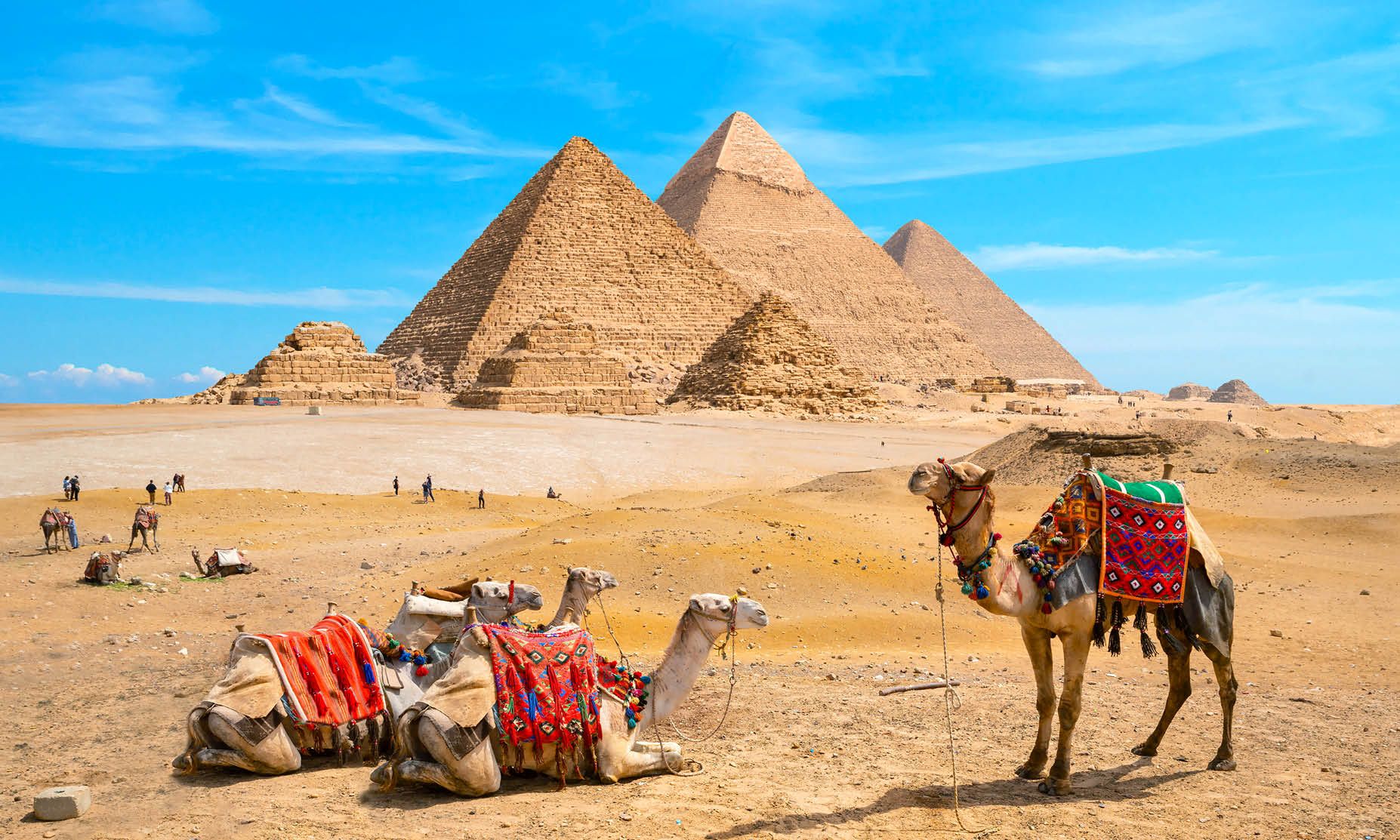
While August falls squarely into Egypt's peak summer season, it also presents a unique opportunity for adventurous travelers. Visiting during this time means significantly smaller crowds at world-famous monuments, discounted luxury hotel rates, and vibrant Red Sea coastal conditions. However, traveling to Egypt in August requires careful planning to handle intense desert temperatures safely and comfortably.
Here is a complete guide covering regional climate expectations, smart daily scheduling hacks, and practical survival tips for navigating Egypt during the hottest month of the year.
What to Expect: August Temperatures Across Egypt
August brings intense heat across most inland regions, though coastal destinations offer a refreshing escape:
-
Cairo & The Nile Delta: Expect daily highs ranging from 35°C to 38°C (95°F–100°F) accompanied by high humidity. Evenings remain warm, with night temperatures rarely dipping below 24°C (75°F).
-
Luxor, Aswan & Upper Egypt: Southern Egypt experiences dry, extreme heat. Daytime temperatures regularly reach 40°C to 44°C (104°F–111°F) between midday and late afternoon.
-
Red Sea Coast (Hurghada, El Gouna & Sharm El Sheikh): Highs hover around 33°C to 36°C (91°F–97°F), but constant sea breezes and warm water temperatures averaging 28°C to 29°C (82°F–84°F) make coastal resorts ideal for swimming, diving, and water sports.
Key Benefits of Visiting in August
-
Unbeatable Hotel & Tour Rates: August is low season for cultural tourism. Five-star hotels, luxury Nile cruises, and guided tour packages offer their lowest prices of the year.
-
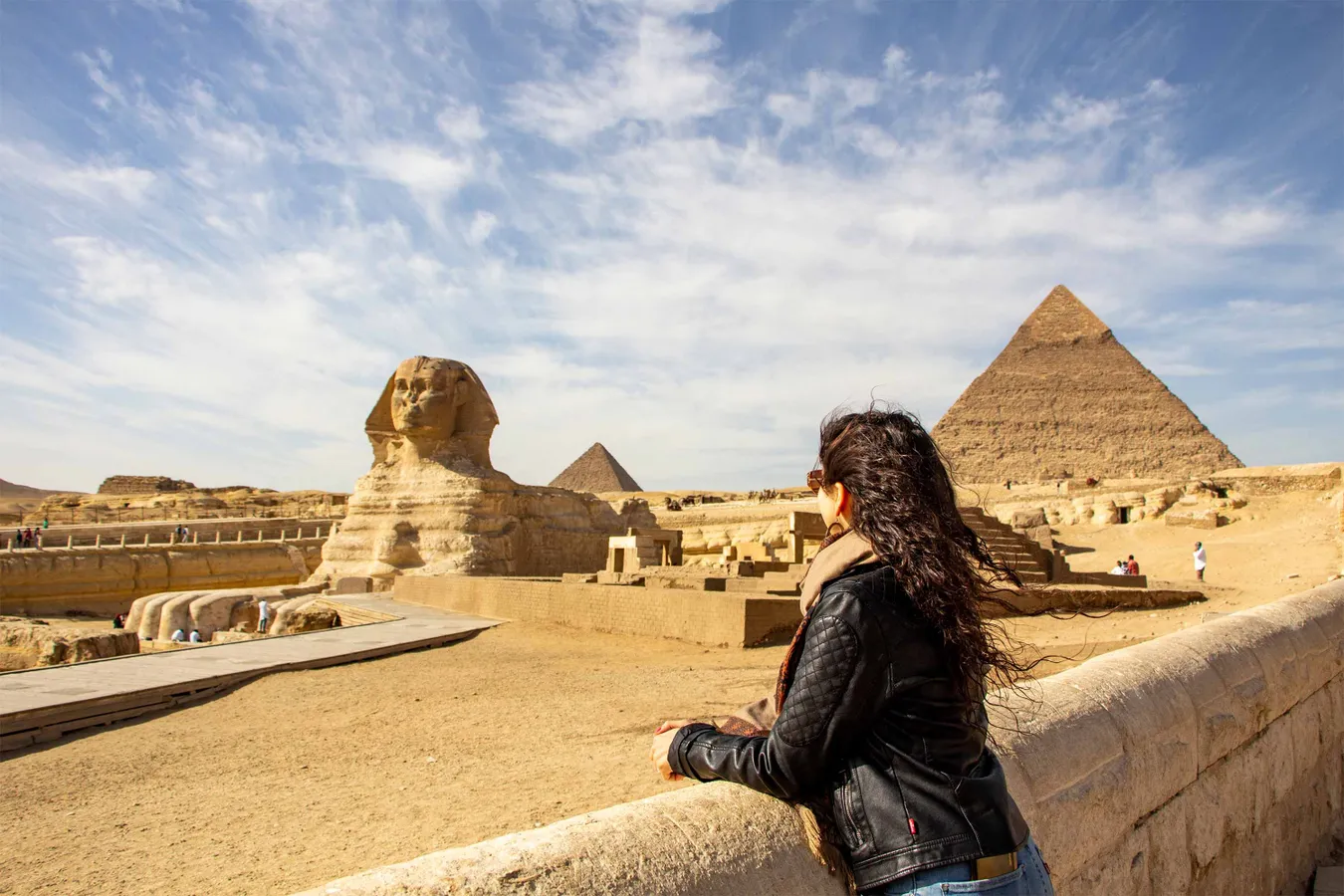
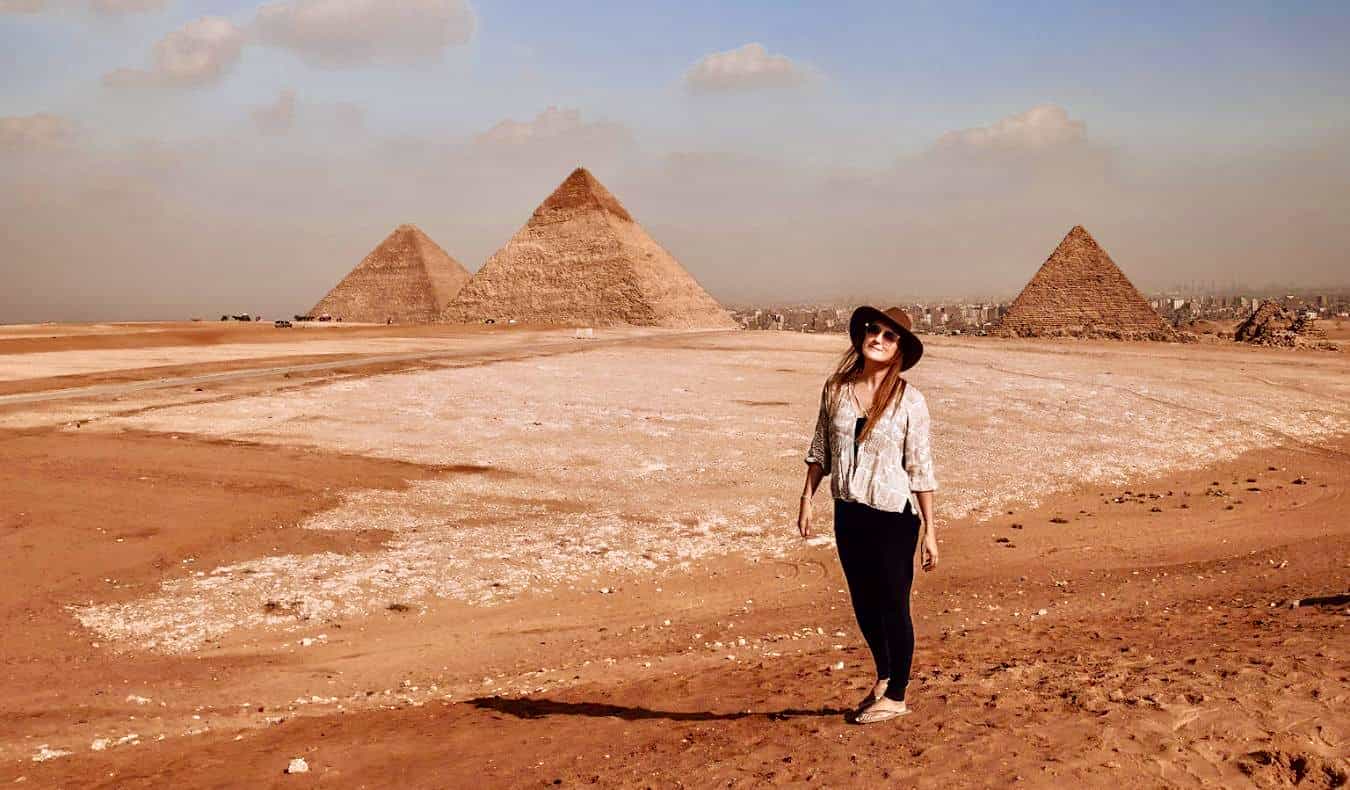
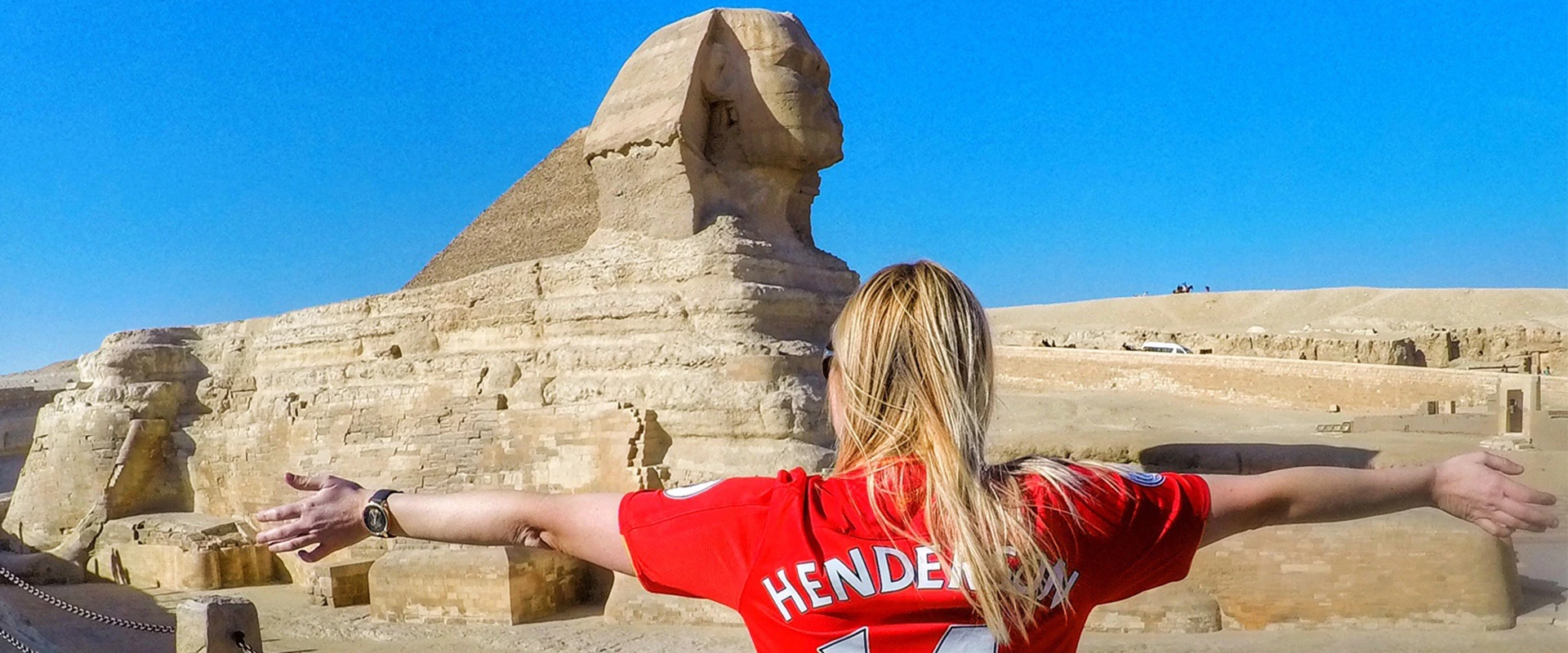
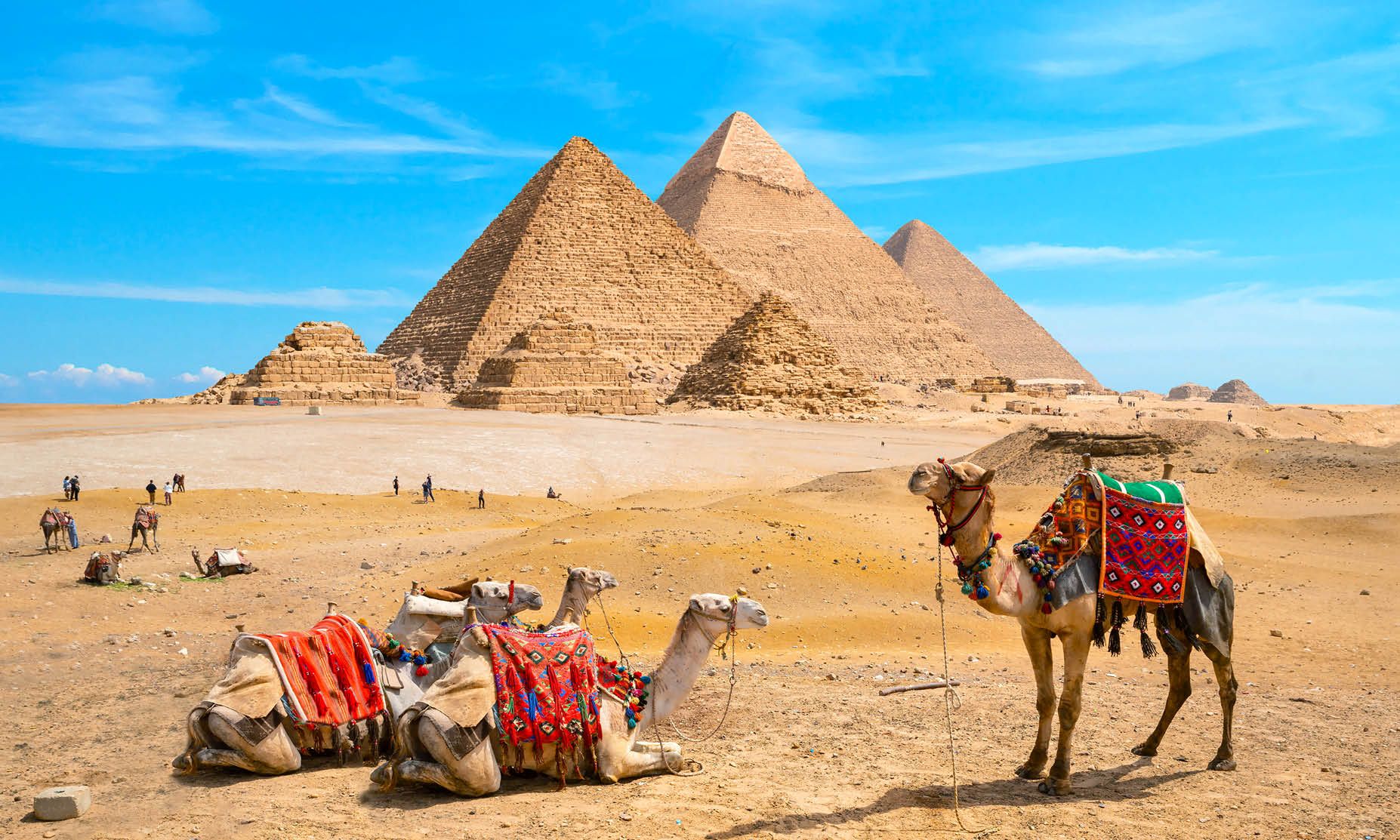
Far Fewer Tourist Crowds: You can experience famous sites like the Pyramids of Giza, Karnak Temple, and the Valley of the Kings without the dense crowds typical of winter months.
-
World-Class Red Sea Conditions: The Red Sea is at its absolute best in August, offering crystal-clear water visibility and thriving marine life for snorkelers and scuba divers.
How to Beat the Heat: Daily Scheduling Hacks
1. Adopt the "Early Morning & Late Afternoon" Strategy
Start outdoor sightseeing as early as possible. Most historical sites open at 6:00 AM or 7:00 AM. Complete your outdoor explorations—such as the Giza Plateau or Luxor's West Bank tombs—by 10:30 AM before temperatures peak.
2. Spend Middays Indoors
Reserve the hours between 11:00 AM and 4:00 PM for climate-controlled indoor attractions, such as the air-conditioned Grand Egyptian Museum (GEM) or National Museum of Egyptian Civilization (NMEC). Alternatively, use this window for hotel pool rest or an afternoon nap.
3. Explore Temples at Sunset and Night
Take advantage of sites illuminated after dark, such as Luxor Temple in Upper Egypt, which stays open into the evening when temperatures cool down significantly.
Essential Packing and Hydration Tips
-
Hydrate Constantly: Drink 3 to 4 liters of bottled water daily. Carry electrolyte replacement packets to add to your water bottles to restore essential minerals lost through sweating.
-
Dress for Sun Protection: Choose loose-fitting, lightweight, and light-colored linen or cotton garments covering your arms and legs. Loose long-sleeve clothing protects your skin from direct sun rays better than tank tops.
-
Pack Portable Cooling Gear: Bring a wide-brimmed hat, UV-blocking sunglasses, high-SPF sunscreen, hand-held battery fans, and a small cooling neck towel to keep yourself comfortable during outdoor walks.
Final Thoughts
Traveling to Egypt in August requires a disciplined approach to staying cool, but the rewards—budget-friendly luxury, quiet historical monuments, and superb Red Sea diving—make it well worth the effort for travelers prepared for the summer climate.