
Taking your dog on an international trip requires careful planning, and bringing your canine companion to Egypt is no exception. While Egypt permits the entry of domestic dogs without mandatory quarantine—provided all health requirements are satisfied—navigating veterinary paperwork, airline transport regulations, and local pet customs is essential for a smooth journey.
Here is a complete guide to official import requirements, required vaccinations, paperwork checklists, and practical tips for traveling to Egypt with a dog.
Core Entry Requirements and Document Checklist
To clear airport customs with your dog at major Egyptian entry hubs (such as Cairo International Airport), you must present verified, official veterinary documentation upon arrival.
1. ISO Microchip Registration
Your dog must be fitted with an ISO 11784/11785 compliant 15-digit microchip. The microchip must be implanted before or on the same day as your dog's rabies vaccination, and the chip number must be accurately listed on all health certificates.
2. Rabies Vaccination Certificate
-
Timing: The rabies vaccine must be administered at least 30 days prior to departure, but no more than 12 months before your arrival date in Egypt.
-
Details Required: The official certificate must state the manufacturer, batch number, date of administration, and expiration date.
-
Titer Test: Egypt does not generally require a rabies blood titer test for entry. However, if you plan to return to your home country (such as the EU, UK, or Australia) after your trip, you may need a valid titer test to re-enter your origin destination.
3. Core Canine Vaccinations
In addition to rabies, Egyptian veterinary authorities require proof of standard core canine vaccinations:
-
Canine Distemper
-
Parvovirus
-
Infectious Hepatitis (Adenovirus)
-
Leptospirosis
4. International Veterinary Health Certificate
-
Time Sensitivity: A licensed veterinarian in your home country must issue an official international health certificate within 10 days of travel.
-
Government Endorsement: The certificate must be officially endorsed by your country's national agricultural authority (such as the USDA in the United States or the CFIA in Canada).
-
Consular Certification: Depending on your country of departure, the health certificate may also require attestation by the Egyptian Embassy or Consulate in your home country before departure.
Airline Logistics: Cabin vs. Cargo
Airline policies for transporting dogs to Egypt vary significantly based on your dog's size and carrier rules:
-
In-Cabin (Small Dogs): Dogs weighing under 8 kg (including their IATA-compliant carrier) are permitted in the cabin on select airlines (such as EgyptAir, Lufthansa, or Turkish Airlines). Reservations for cabin pets must be booked weeks in advance, as cabin pet slots per flight are strictly limited.
-
Checked Baggage / Manifest Cargo (Medium & Large Dogs): Larger dogs must travel in the temperature-controlled cargo hold inside a rigid, IATA-approved travel crate featuring metal bolt fasteners, proper ventilation, and attached water bowls.
-
Temperature Restrictions: Major airlines enforce strict summer cargo bans when ground temperatures at transit hubs or Cairo Airport exceed 29°C (85°F). Avoid flying large dogs during summer months (May through September).
What to Expect at Airport Customs
Upon landing in Egypt, you will proceed to the airport's official General Organization for Veterinary Services (GOVS) desk before clearing customs:
-
Inspection: A government veterinary officer will verify your dog's microchip and inspect physical documents.
-
Inspection Fees: Expect to pay a minor on-site administrative inspection fee (payable in local currency or cash).
-
Quarantine: If all documents, vaccinations, and microchip numbers match perfectly, no quarantine is imposed, and your dog will be released to you immediately.
Living and Traveling in Egypt with a Dog
Navigating daily life with a dog in Egypt presents unique cultural and environmental factors:
-
Pet-Friendly Neighborhoods: In Cairo, green residential suburbs like Maadi and Zamalek are the most dog-friendly areas, featuring tree-lined sidewalks, expat communities, and veterinary clinics.
-
Managing Summer Heat: High desert temperatures can be dangerous for dogs, particularly brachycephalic (short-muzzled) breeds. Limit walks to early morning hours or late evenings, keep paws off hot pavement, and ensure access to fresh bottled water.
-
Cultural Considerations: Public awareness regarding pets is growing, but dogs are generally not permitted inside restaurants, indoor cafes, historic mosques, or major archaeological sites. Outdoor patio cafes are usually accommodating if your dog is leashed and well-behaved.
-
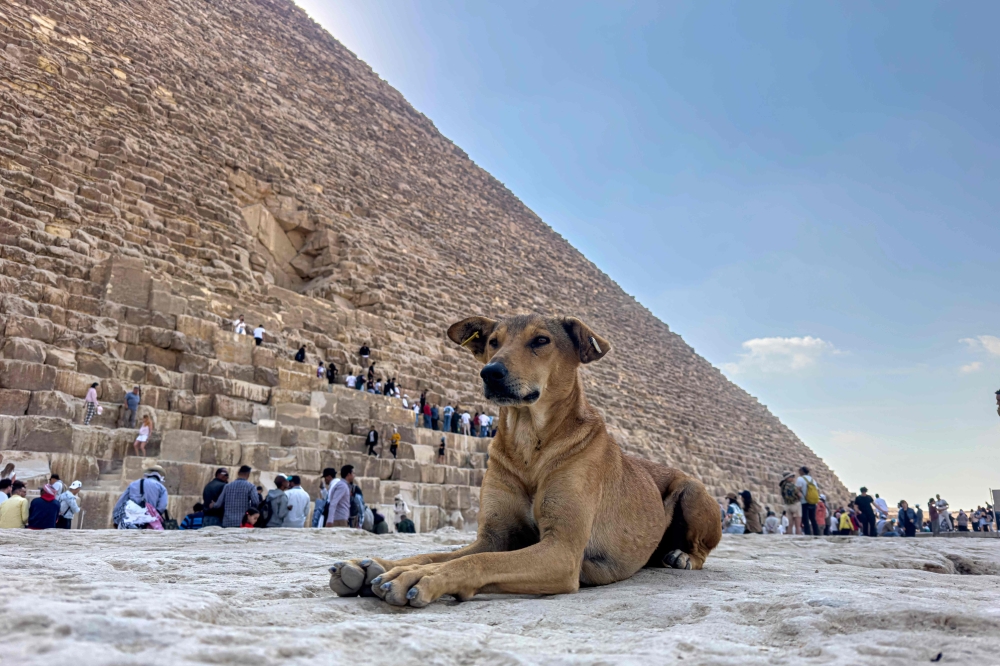
Stray Animals: Street cats and neighborhood dogs (Baladi dogs) are common in urban centers. Keep your dog on a short leash during walks to prevent unexpected interactions.
Final Thoughts
Traveling to Egypt with a dog requires careful advance preparation, strict timing for veterinary health certificates, and compliance with airline cargo rules. By securing the proper government-endorsed paperwork, microchip registrations, and rabies certificates, you can enjoy a smooth arrival and a safe stay in Egypt with your pet.