

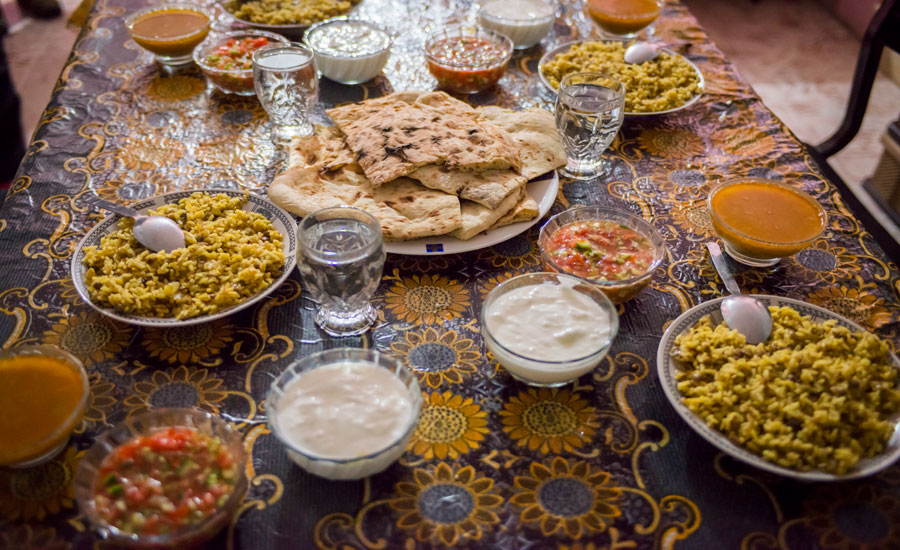
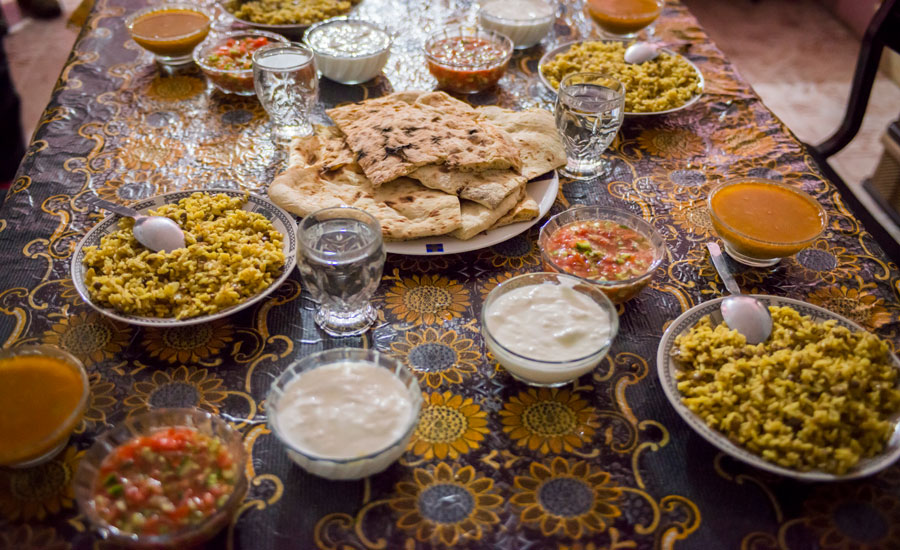
Contrary to what many travelers expect, navigating Egypt on a plant-based diet is surprisingly effortless. While meat plays a central role in contemporary celebrations, traditional Egyptian cuisine relies heavily on legumes, fresh vegetables, grains, and olive oil. Many of the nation’s most beloved national staples are inherently plant-based, making a vegan guide to Egypt both rich in flavor and light on wallet strain.
From iconic street food stands in Cairo to eco-friendly cafes along the Red Sea, here is everything you need to know about dining vegan across Egypt.
Must-Try Traditional Vegan Egyptian Dishes
1. Koshari
Considered Egypt’s national dish, Koshari is an absolute dream for plant-based travelers. It consists of a hearty base of lentils, rice, macaroni, and chickpeas, topped with a spiced tomato sauce, garlic vinegar (da'ah), and crispy fried onions. It is naturally 100% vegan, high in protein, and served practically everywhere.
2. Ta'ameya (Egyptian Falafel)
Unlike Mediterranean falafel made from chickpeas, Egyptian Ta'ameya is made from crushed fava beans mixed with fresh herbs like parsley, coriander, and dill. The fava bean mixture creates a lighter, fluffier interior with a extra-crispy green center. Served piping hot inside Aesh Baladi (Egyptian pita bread) with tahina and salad, it is an essential breakfast staple.
3. Ful Medames
Ful Medames is a slow-cooked fava bean stew seasoned with olive oil, cumin, garlic, and fresh lemon juice. Rich in fiber and plant protein, it is eaten at all times of day alongside warm flatbread and pickled vegetables.
4. Besara
A green puree made from dried fava beans, fresh herbs (parsley, coriander, and dill), onions, and garlic, cooked until creamy and served chilled or at room temperature topped with caramelized onions.
5. Mahshi (Vegetable Variety)
Mahshi consists of vegetables—such as zucchini, eggplant, bell peppers, or grape leaves (Warak Enab)—stuffed with a herbed tomato-rice filling. While Mahshi is predominantly plant-based, always ask if the rice was cooked in vegetable broth or animal stock.
Dips, Salads, and Street Snacks
-
Tahina: Pure sesame paste mixed with water, lemon juice, garlic, and cumin—served alongside almost every meal.
-
Baba Ghanoush: Smoky roasted eggplant mashed with tahina, garlic, olive oil, and lemon juice.
-
Musaqa'a (Egyptian Moussaka): A baked stew made of fried eggplant, bell peppers, garlic, and tomatoes. (Ensure it is ordered without ground meat, as both versions exist).
-
Fattoush and Tabbouleh: Levant-inspired salads packed with parsley, tomatoes, mint, sumac, and crispy flatbread pieces.
Top Vegan and Vegan-Friendly Restaurants in Egypt
Cairo
-
Koshary Abou Tarek (Downtown): The most famous Koshari establishment in Cairo, serving fast, authentic, and completely plant-based bowls.
-
Zooba (Zamalek / New Cairo): A modern gourmet fast-casual chain offering elevated Egyptian street food, including gourmet Ta'ameya, Ful, and seasonal veggie dips with clearly marked menu items.
-
Eish & Malh (Downtown): A popular bistro serving healthy Mediterranean and Italian options, featuring vegan pasta, salads, and plant-based desserts.
Luxor and Aswan
-
Nubian Guesthouses (Aswan - Elephantine Island): Local Nubian hosts prepare fresh, vegetable-forward stews, lentil soups, okra dishes, and baked flatbreads made from scratch.
-
Al-Sahaby Lane (Luxor): Located near the Luxor Souk, offering dedicated vegetarian and vegan menu sections featuring stuffed vegetables, lentil soups, and vegetable tagines.
Dahab & Sharm El Sheikh (Red Sea)
-
Chef Harby’s / Marine Garden (Dahab): Dahab is Egypt's ultimate vegan-friendly coastal hub, boasting numerous cafes with oat-milk coffees, smoothie bowls, vegan burgers, and falafel wraps.
Common Non-Vegan Ingredients to Watch Out For
-
Ghee / Butter : Often used to sauté vegetables, cook rice, or fry bread. Always specify cooking with vegetable oil.
-
Meat Broth : Vegetable stews and rice dishes can occasionally be boiled in animal stock. Confirm that dishes like Molokhia (jute leaf soup) or lentil soup are cooked in water or vegetable broth.
-
Bechamel Sauce: Used in baked pasta dishes and some versions of moussaka, containing milk and butter.
Final Thoughts
Adopting a plant-based diet while traveling through Egypt is not only simple—it brings you directly in touch with authentic, everyday Egyptian culture. By relying on traditional dishes like Koshari, Ta'ameya, and Ful Medames, you will enjoy rich, satisfying, and delicious meals everywhere from city street corners to Nile riverbanks.