

 Ahmed Ragaie
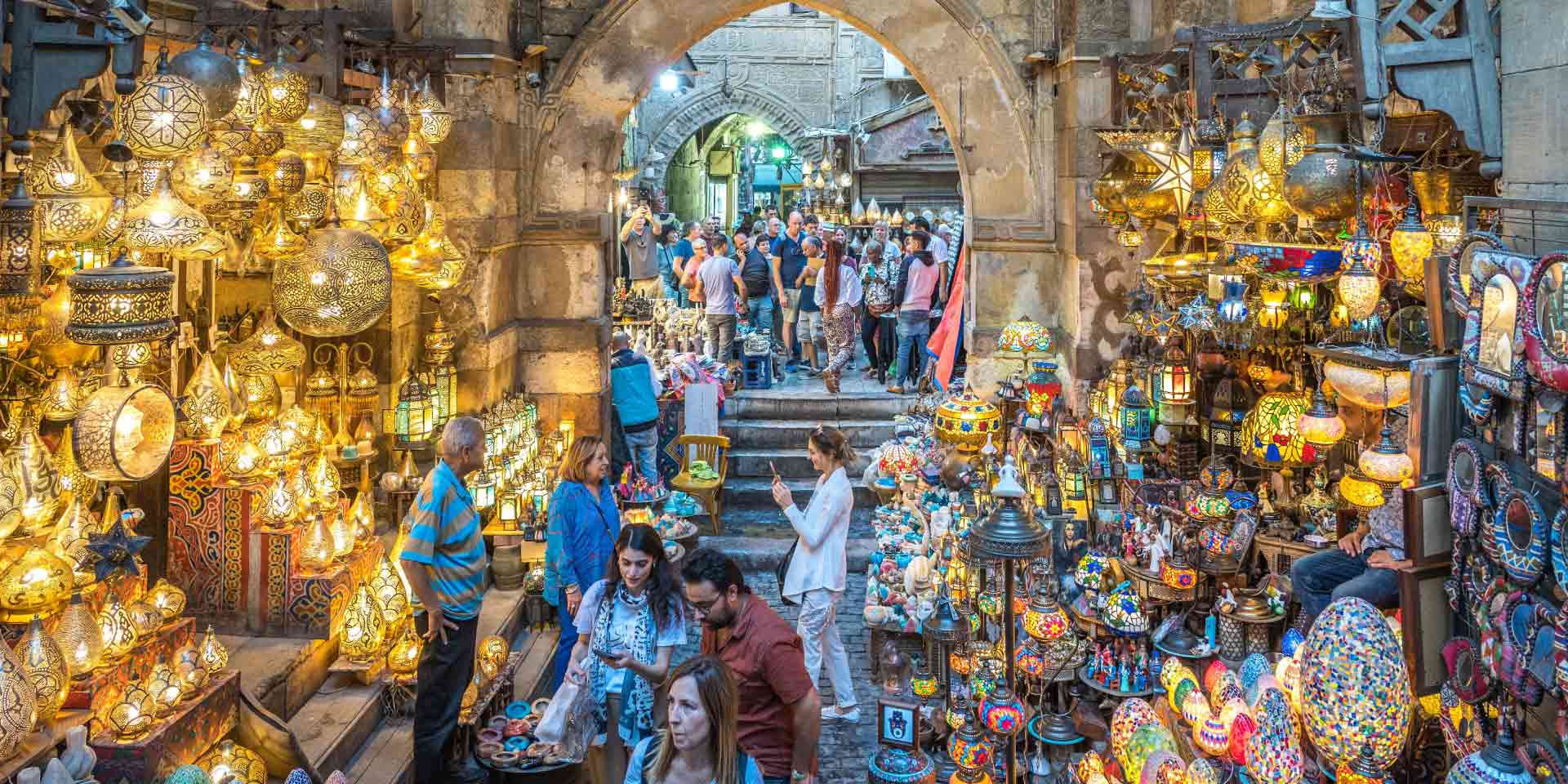
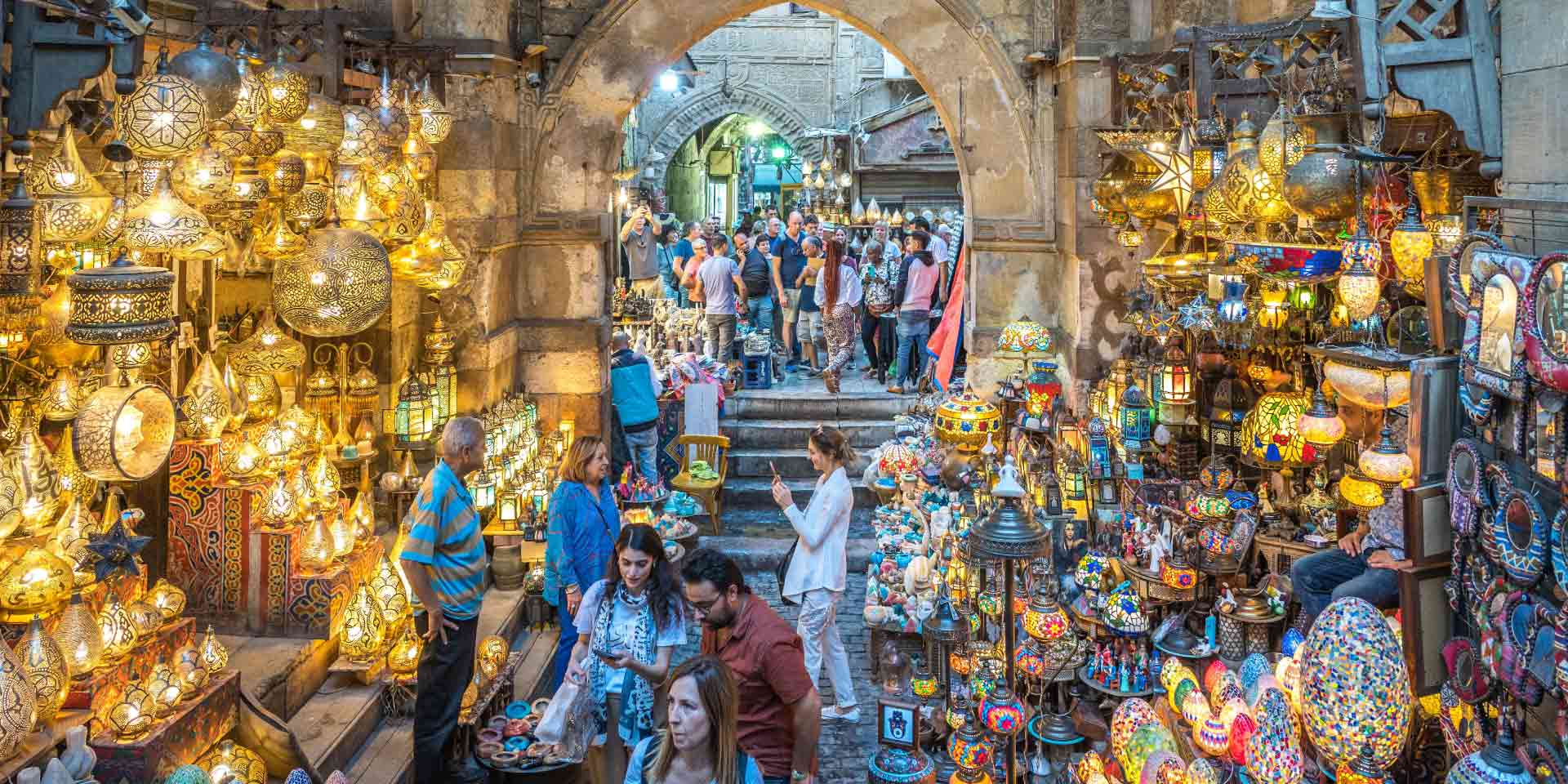
Exploring the historic Khan el Khalili market is an essential cultural adventure in Cairo. Dating back to 1382 when it was built as a commercial caravan stop (caravanserai) by Emir Djaharks el-Khalili, this massive bazaar in Islamic Cairo is a maze of sensory delight. From aromatic spice stalls to glowing artisan lantern workshops, this comprehensive operational guide ensures you shop smartly, negotiate confidently, and discover authentic souvenirs.
Shopping at Khan el Khalili Market: Tips, Tricks, and What to Buy
Exploring the historic Khan el Khalili market is an essential cultural adventure in Cairo. Dating back to 1382 when it was built as a commercial caravan stop (caravanserai) by Emir Djaharks el-Khalili, this massive bazaar in Islamic Cairo is a maze of sensory delight. From aromatic spice stalls to glowing artisan lantern workshops, this comprehensive operational guide ensures you shop smartly, negotiate confidently, and discover authentic souvenirs.
Top Authentic Items to Buy at Khan el Khalili Market
Avoid cheap mass-produced trinkets and focus on high-quality Egyptian craftsmanship:
|
Product Category |
Recommended Purchases |
Buying & Quality Tips |
|
Spices & Aromatics |
Dried hibiscus (Karkadeh), saffron, cumin, cardamom, dukkah |
Buy by weight; ensure spices are bright and ask for vacuum sealing for air travel. |
|
Metalwork & Lighting |
Hand-punched brass lamps, copper serving trays, Mamluk-style lanterns |
Look for solid brass or copper rather than painted iron; check soldering seams carefully. |
|
Traditional Textiles |
Egyptian cotton shawls, galabiya robes, handwoven kilims, tapestries |
Feel for soft, long-staple cotton; verify high knot density on wool carpets. |
|
Inlaid Wooden Craft |
Backgammon boards, jewelry boxes inlaid with mother-of-pearl or camel bone |
Check that inlay pieces are completely flush and smooth against the wooden frame. |
|
Silver & Jewelry |
Hieroglyphic cartouche pendants, Kaf Fatima (Hand of Fatima), scarab rings |
Ensure silver pieces carry official Egyptian hallmark stamps; request to weigh silver by gram. |
|
Essential Oils & Scents |
Pure floral oils (Lotus, Jasmine, Amber), blown-glass perfume bottles |
Buy pure oil extracts containing no alcohol or filler oils; test scents directly on skin. |
Essential Bargaining Strategies and Negotiation Rules
In Egyptian market culture, bargaining is not an aggressive argument—it is a respected social interaction based on patience, humor, and mutual respect. Follow these golden rules:
-
Research Standard Prices First: Walk through several competing shops to get a baseline price before attempting to buy.
-
Let the Vendor State the First Price: Never offer an opening cash figure until the shopkeeper quotes their starting price.
-
Counter at 40% to 50% Lower: Once quoted, respond politely with a counteroffer that is roughly half their opening number.
-
Maintain a Friendly Demeanor: Smile, joke, and keep the interaction light. Using basic Arabic phrases like "Ghali awwi" (Too expensive!) with a smile builds rapport.
-
Use the "Walk Away" Technique: If negotiation hits a stalemate above your target budget, thank the shopkeeper politely ("Shukran") and begin walking away. In most cases, the vendor will call you back to accept your last price.
-
Carry Small Denominations: Pay using exact change in small Egyptian Pound bills (EGP 20, 50, 100). Pulling out large EGP 200 notes weakens your bargaining leverage.
Practical Information for Visitors
-
Best Time to Visit: The market comes alive in the late afternoon and evening (5:00 PM to 10:00 PM) when shop fronts illuminate their brass lamps and local crowds gather. If you prefer a quieter experience with fewer crowds, visit in the morning around 10:00 AM.
-
Dress Modestly: Out of respect for the surrounding historic religious neighborhood, dress conservatively covering shoulders and knees. Wear flat, closed-toe walking shoes to navigate uneven cobblestone alleys.
-
Stay Safe and Secure: While violent crime is nonexistent in the market, packed alleys attract pickpockets. Keep wallets, phones, and travel documents secured inside a zipped cross-body bag worn on your front.
-
Rest Stop at Historic Cafes: When you need a break, head to El Fishawy Cafe or Naguib Mahfouz Cafe (managed by Oberoi Hotels) inside the bazaar for clean seating, cold hibiscus drinks, and traditional Egyptian coffee.
Frequently Asked Questions (FAQ)
Is there an entry ticket required for Khan el Khalili market?
No, entry to Khan el Khalili market is completely free. You only pay for the individual goods, food, or drinks you choose to purchase.
Can I use credit cards at Khan el Khalili market?
Physical cash in Egyptian Pounds (EGP) is required by roughly 90% of stall vendors throughout the market. While a few high-end carpet or gold shops accept credit cards, cash is essential for receiving bargaining discounts and making everyday purchases.
How do I get to Khan el Khalili safely from Downtown Cairo?
Take an Uber directly to Midan Hussein (Hussein Square) or Al-Azhar Mosque. The ride takes approximately 15 to 20 minutes from Tahrir Square, dropping you off right at the pedestrian entrance of the market.