

 Ahmed Ragaie
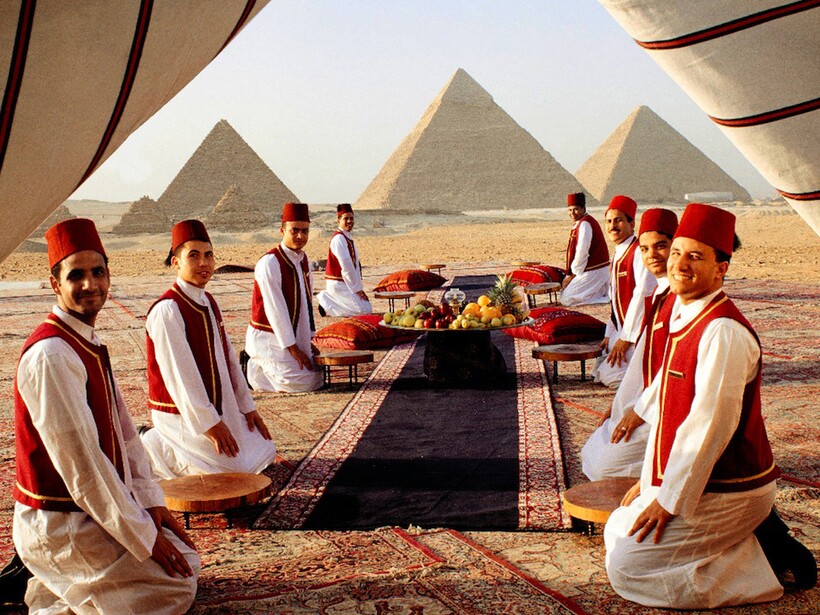
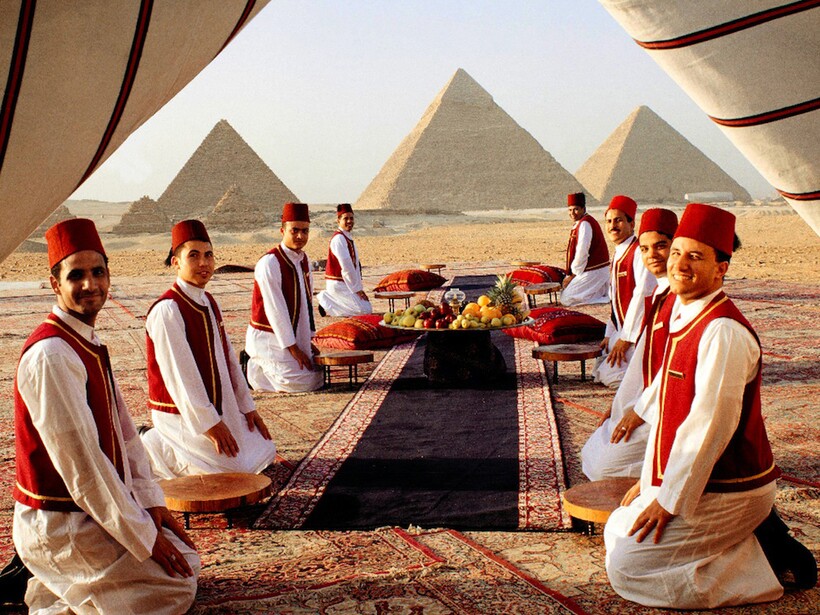
Traveling to Egypt is about more than visiting the pyramids, temples, museums, and beaches. It is also an opportunity to experience a culture shaped by thousands of years of history, strong family traditions, hospitality, religion, and everyday customs.
Egyptian Culture and Etiquette: Tips for US Travelers
Traveling to Egypt is about more than visiting the pyramids, temples, museums, and beaches. It is also an opportunity to experience a culture shaped by thousands of years of history, strong family traditions, hospitality, religion, and everyday customs.
For American visitors, understanding a few basic rules of Egyptian culture and etiquette can make interactions with locals easier and more enjoyable.
You do not need to know every Egyptian custom before arriving. A respectful attitude, patience, and willingness to learn will take you a long way.
This guide covers practical etiquette for American travelers, including clothing, greetings, photography, religious sites, dining, tipping, shopping, and everyday interactions.
1. Respect Religious Places
Religion plays an important role in Egyptian society, and visitors should be respectful when entering religious locations.
When visiting mosques, churches, or synagogues, dress modestly and follow the rules of the specific site.
At mosques, shoes may need to be removed, and women may need to cover their hair and shoulders.
Egypt's official tourism guidance specifically recommends modest clothing and covering the shoulders and legs when visiting places of worship.
2. Dress Modestly Outside Resorts
Egypt does not require tourists to wear traditional clothing.
However, modest clothing is generally appreciated outside international hotels and beach resorts.
For everyday sightseeing, consider:
-
Loose trousers
-
Long skirts
-
Shirts covering the shoulders
-
Lightweight dresses
-
Comfortable shoes
-
A scarf for religious sites
The official tourism guidance recommends light, loose clothing and notes that women may feel more comfortable avoiding uncovered shoulders and very short clothing.
3. Learn a Few Arabic Words
You can travel around Egypt without speaking Arabic.
English is widely understood in major cities and popular tourist destinations, and licensed multilingual guides are available.
Still, learning a few Arabic expressions can make interactions warmer.
Useful phrases include:
-
Shukran — Thank you
-
Afwan — You're welcome
-
Sabah el-kheir — Good morning
-
Masaa el-kheir — Good evening
-
Law samaht — Please / excuse me
-
La, shukran — No, thank you
You do not need perfect pronunciation. Even a simple attempt is usually appreciated.
4. Be Careful With Photography
Photography is one area where visitors should pay particular attention.
Personal photography in public places is generally allowed, but there are restrictions around certain government, military, security, and other sensitive locations.
More importantly, do not photograph people—especially children—without permission.
Egypt's official tourism guidance states that photographing children is forbidden and that Egyptian citizens should only be photographed with their written permission.
When in doubt, ask before taking someone's photo.
5. Ask Before Photographing Locals
Even if you are in a visually interesting market or village, do not automatically point your camera at people.
A simple gesture and asking permission is much more respectful.
This is particularly important when photographing:
-
Children
-
Families
-
Religious ceremonies
-
Workers
-
Local communities
Respect should come before getting the perfect travel photo.
6. Understand Egyptian Hospitality
Egyptians are widely known for hospitality and generosity.
You may be offered tea, food, or conversation, particularly when visiting someone's home or spending time with local communities.
Accepting hospitality graciously can be an important part of the travel experience.
If you cannot accept something, a polite "no, thank you" is enough.
7. Understand Tipping Culture
Baksheesh, or tipping, is a common part of service culture in Egypt.
You may encounter tipping situations involving:
-
Hotel staff
-
Tour guides
-
Drivers
-
Restaurant staff
-
Porters
-
Bathroom attendants
The amount depends on the service and situation.
Keep small Egyptian bills available because small tips are easier to handle than large banknotes.
8. Carry Egyptian Cash
Egypt is becoming increasingly convenient for card payments, especially in major hotels and tourist businesses.
However, cash remains useful for smaller purchases, taxis, local restaurants, markets, and services.
Egypt's tourism authority specifically recommends carrying Egyptian cash because smaller businesses may not accept cards, particularly away from major tourist areas.
9. Be Prepared to Bargain
Bargaining is common in many Egyptian markets and souvenir shops.
It should generally be treated as a friendly negotiation rather than an argument.
If a seller gives you a price you consider too high, you can politely make a counteroffer.
If you cannot agree on a price, simply thank the seller and walk away.
Do not bargain aggressively over tiny amounts simply to save a few Egyptian pounds.
10. Respect Archaeological Sites
Egypt's monuments are part of the country's cultural heritage and should be treated carefully.
Do not:
-
Touch fragile artifacts
-
Climb where prohibited
-
Scratch surfaces
-
Sit on ancient structures
-
Take pieces of stone or artifacts
Egypt's official visitor guidance specifically asks tourists to respect monuments and not touch, scratch, or sit on them.
11. Be Patient With Different Schedules
Traveling in Egypt may sometimes feel different from traveling in the United States.
Traffic, crowds, weather, transportation, and local schedules can affect your plans.
Instead of expecting everything to operate exactly on American time, leave some flexibility in your itinerary.
This is particularly useful when traveling long distances or visiting several attractions in one day.
12. Dining Etiquette
When eating in a local setting, observe what others are doing.
Some Egyptian meals are traditionally eaten using bread or the right hand.
If you are invited to someone's home, bringing a small gift such as sweets can be a thoughtful gesture.
At restaurants, check whether a service charge has already been added before deciding how much additional tip to leave.
13. Be Respectful During Ramadan
If you visit Egypt during Ramadan, you may notice significant changes in daily routines.
Restaurants and businesses may adjust their hours, and many Egyptians fast from sunrise to sunset.
Visitors are not generally expected to fast, but being discreet when eating or drinking in conservative public settings is respectful.
At sunset, streets and restaurants can become especially lively as families gather for iftar.
14. Public Displays of Affection
Egypt is generally more conservative about public displays of affection than many parts of the United States.
Couples should avoid excessive physical affection in public spaces, particularly in traditional neighborhoods and religious areas.
Holding hands is generally less problematic than more intimate displays.
15. Ask Before Entering Private Spaces
Egypt has many beautiful homes, workshops, villages, and local communities that may look interesting to visitors.
However, do not assume you can enter a private property or restricted area because it looks interesting.
Always ask permission.
This is particularly important when traveling through rural areas or visiting traditional communities.
16. Use Your Right Hand When Appropriate
In many Egyptian and broader Middle Eastern social contexts, the right hand is traditionally preferred for eating and giving or receiving things.
You do not need to panic if you forget, but using your right hand when eating or handing someone something can be a respectful gesture.
17. Learn to Say No Politely
Tourist destinations can be busy, and you may encounter vendors, guides, drivers, or people offering services.
You are allowed to say no.
A simple:
"La, shukran."
meaning "No, thank you," is usually enough.
There is no need to become angry or confrontational.
18. Respect Local Differences
Egypt is not culturally identical everywhere.
Cairo, Alexandria, Luxor, Aswan, Siwa, Sinai, and Red Sea resorts can all feel different.
What seems normal at an international resort may not be appropriate in a rural community.
Being observant and adapting to your surroundings is one of the most useful principles of Egyptian culture and etiquette.
FAQs About Egyptian Culture and Etiquette
What should American tourists know about Egyptian culture?
Respect for religion, modest clothing, hospitality, tipping, photography etiquette, and patience are some of the most important cultural considerations.
Do I need to speak Arabic in Egypt?
No. English is widely understood in major tourist areas, but learning basic Arabic phrases such as "shukran" is appreciated.
Is it rude to refuse something in Egypt?
No. You can politely decline offers or services. A friendly "no, thank you" is usually sufficient.
Can I photograph Egyptians?
Ask for permission before photographing people. Official Egyptian tourism guidance specifically restricts photographing children and requires permission for photographing Egyptian citizens.
Should I bargain in Egypt?
Bargaining is common in many markets and souvenir shops. Keep it friendly and respectful.
Should I carry cash in Egypt?
Yes. Although cards are widely accepted in major tourist businesses, cash is still useful for smaller shops, taxis, markets, and local services.
Final Thoughts
Understanding Egyptian culture and etiquette does not require memorizing a long list of rules.
Be respectful at religious sites, dress appropriately for your surroundings, ask before photographing people, carry some Egyptian cash, learn a few Arabic expressions, and approach local interactions with patience.
For American travelers, these simple habits can make the trip smoother while also creating more meaningful interactions with the people and culture of Egypt.