

 Ahmed Ragaie
Known in Arabic as Gabal Musa, Mount Sinai is traditionally associated with the biblical story of Moses receiving the Ten Commandments. The mountain rises to approximately 2,285 meters and is located in the dramatic mountains of South Sinai.
Hiking Mount Sinai: A Spiritual Journey at Sunrise
Few experiences in Egypt combine natural beauty, history, and spirituality quite like a Mount Sinai hike.
Known in Arabic as Gabal Musa, Mount Sinai is traditionally associated with the biblical story of Moses receiving the Ten Commandments. The mountain rises to approximately 2,285 meters and is located in the dramatic mountains of South Sinai.
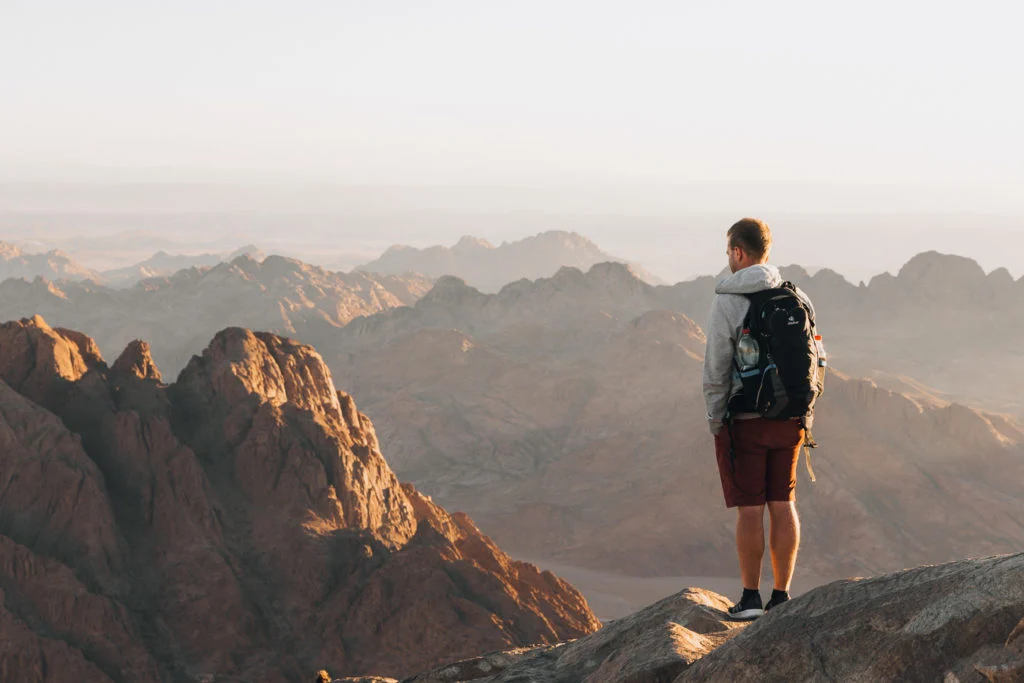
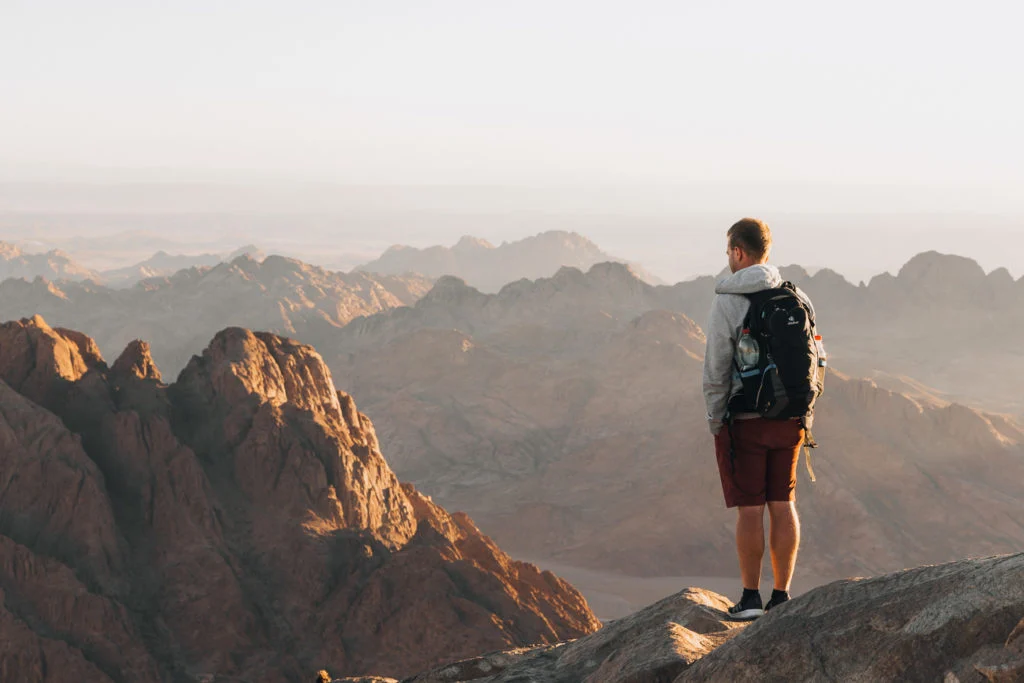
For many travelers, the goal is not simply reaching the summit. It is the experience of climbing through the darkness, watching the landscape slowly appear as dawn approaches, and standing at the top as the sun rises over the Sinai mountains.
This guide explains what to expect from a Mount Sinai hike, which routes are available, what to bring, and how to prepare for the climb.
Why Hike Mount Sinai?
Mount Sinai is one of Egypt's most meaningful mountain destinations.
The experience combines:
-
Religious history
-
Mountain scenery
-
Physical activity
-
Sunrise views
-
Bedouin culture
-
St. Catherine's historic surroundings
The official Egyptian tourism platform describes Mount Sinai as the mountain revered as the location where Prophet Moses received the Ten Commandments.
Even travelers who are not religious may find the landscape and sunrise experience deeply memorable.
Where Is Mount Sinai?
Mount Sinai is located in the Sinai Peninsula near Saint Catherine.
The mountain is surrounded by rugged granite peaks, valleys, and desert landscapes.
The wider region is known for hiking and mountain trails, with routes ranging from relatively short hikes to multi-day adventures.
The Two Main Mount Sinai Routes
One of the most important things to understand before your hike is that there are two main routes toward the summit.
1. Steps of Repentance
The Steps of Repentance are the shorter but steeper route.
According to Egypt's official tourism information, this route includes approximately 3,250 stone steps.
It is physically demanding because of the steep ascent and uneven terrain.
2. Camel Trail
The Camel Trail is a longer gravel switchback route.
It is generally considered the easier ascent because the gradient is less steep for much of the climb.
The two routes eventually converge near the final section of the mountain, where hikers face the last approximately 500 stairs to reach the summit.
What Is a Sunrise Mount Sinai Hike Like?
Most sunrise hikes begin during the night.
The reason is simple: you need to reach the summit before sunrise.
A typical experience may look something like this:
Late Night
Begin the hike with your guide.
During the Climb
Walk through the darkness with occasional breaks.
Before Sunrise
Reach the upper section and find a safe place to wait.
Sunrise
Watch the first light appear over the surrounding mountains.
Morning
Descend the mountain and return to the surrounding area.
Exact schedules depend on the season, starting point, guide, and sunrise time.
Why Is the Sunrise So Special?
The landscape around Mount Sinai is extremely dramatic.
As darkness fades, the granite peaks and valleys gradually become visible.
The changing colors of the mountains create an experience that photographs cannot fully capture.
For many travelers, this is the emotional highlight of the entire climb.
How Difficult Is the Mount Sinai Hike?
The difficulty depends on your fitness level, route, weather, pace, and hiking experience.
It is not a technical mountain climb, but it is still a serious hike.
The altitude, steep sections, uneven steps, darkness, and cold temperatures can make the experience physically challenging.
You should be comfortable walking for several hours and climbing a significant number of stairs.
Do You Need a Guide?
A licensed local guide is strongly recommended for mountain excursions.
The official Egyptian tourism authority advises travelers to check with hotels, tour operators, or licensed guides before planning mountain adventures and to confirm that the destination is accessible and open to visitors.
A local guide can help with:
-
Route navigation
-
Timing
-
Weather conditions
-
Local regulations
-
Mountain conditions
-
Cultural context
This is especially important when hiking during the night.
What Should You Wear?
For a sunrise hike, clothing is one of the most important considerations.
Do not assume that because Egypt is hot, Mount Sinai will be warm.
Mountain temperatures can be significantly colder, particularly before sunrise.
Bring:
-
Warm layers
-
Lightweight base layer
-
Fleece or sweater
-
Windproof jacket
-
Comfortable hiking trousers
-
Hiking shoes
-
Warm socks
-
Hat or beanie
-
Gloves
Once the sun rises, you can remove layers as temperatures increase.
What Should You Bring?
A small backpack should include:
-
Plenty of water
-
Snacks
-
Headlamp or flashlight
-
Extra batteries or power bank
-
Sunscreen
-
Sunglasses
-
Warm layers
-
Basic first-aid supplies
-
Identification
-
Cash
-
Phone
A headlamp is especially useful because much of the ascent may take place before sunrise.
Should You Take the Camel Trail?
The Camel Trail can be useful for travelers who are concerned about the physical demands of the climb.
The route is longer but less steep for much of the ascent.
However, the final section still requires climbing stairs on foot.
If you are considering a camel-assisted option, discuss the details with your licensed local guide before starting.
Mount Sinai and St. Catherine's Monastery
Many travelers combine their mountain experience with a visit to St. Catherine's Monastery, located in the surrounding region.
The monastery is one of the most historically significant Christian sites in the area and adds another important cultural dimension to a Mount Sinai itinerary.
Check opening arrangements and access conditions before planning your visit.
Best Time for a Mount Sinai Hike
The cooler months are generally more comfortable for hiking in Sinai.
Winter can offer pleasant daytime hiking temperatures but very cold conditions before sunrise.
Summer can be extremely hot, making physical activity more difficult.
Regardless of the season, sunrise hikes require preparation for colder nighttime temperatures.
Is Mount Sinai Suitable for Beginners?
It can be, provided you are reasonably fit and prepare properly.
You do not need advanced mountaineering skills.
However, you should not underestimate the climb.
If you rarely exercise or have difficulty walking for several hours, consider discussing the route with your doctor and guide before attempting the hike.
What Makes the Experience Spiritual?
The spiritual character of Mount Sinai comes from more than its religious history.
There is something powerful about walking through the mountains at night with almost no visibility, gradually climbing toward the summit, and then watching the landscape emerge with the first light of day.
For religious travelers, the connection to the story of Moses can make the experience especially meaningful.
For others, the silence, isolation, and natural scenery can provide a different kind of reflective experience.
Respecting the Sacred Environment
Mount Sinai is more than a hiking destination.
Treat the mountain and surrounding religious sites with respect.
Avoid loud behavior, littering, damaging rocks or structures, and inappropriate behavior around religious locations.
If you visit a monastery or other sacred site, follow local clothing and photography rules.
FAQs About the Mount Sinai Hike
How long does the Mount Sinai hike take?
The duration varies depending on the route, pace, stops, weather, and starting point. Travelers should expect a multi-hour hike rather than a short walk.
How many steps are there on Mount Sinai?
The Steps of Repentance route contains approximately 3,250 stone steps. The final section of the Camel Trail also joins the last approximately 500 stairs to the summit.
Is the Mount Sinai hike difficult?
It can be physically demanding because of the elevation, steep sections, stairs, uneven terrain, and nighttime conditions.
Can beginners hike Mount Sinai?
Yes, reasonably fit beginners can complete the hike, but proper preparation and a suitable pace are important.
What should I wear for a sunrise Mount Sinai hike?
Wear layers, including warm clothing, a windproof jacket, comfortable hiking trousers, warm socks, and sturdy shoes.
Do I need a guide for Mount Sinai?
Using a licensed local guide is strongly recommended, particularly for a nighttime sunrise hike. The official tourism authority advises travelers to check accessibility and conditions with licensed guides or tour operators.
Final Thoughts
A Mount Sinai hike is one of Egypt's most memorable outdoor experiences.
The climb can be challenging, but reaching the summit before sunrise and watching the first light spread across the Sinai mountains makes the effort worthwhile.
Prepare for the cold, wear appropriate footwear, bring water and a headlamp, and arrange the hike with an experienced licensed guide. Whether you approach Mount Sinai as a spiritual pilgrimage, a hiking adventure, or simply an opportunity to experience one of Sinai's most spectacular landscapes, the sunrise at the summit is an experience you are unlikely to forget.