
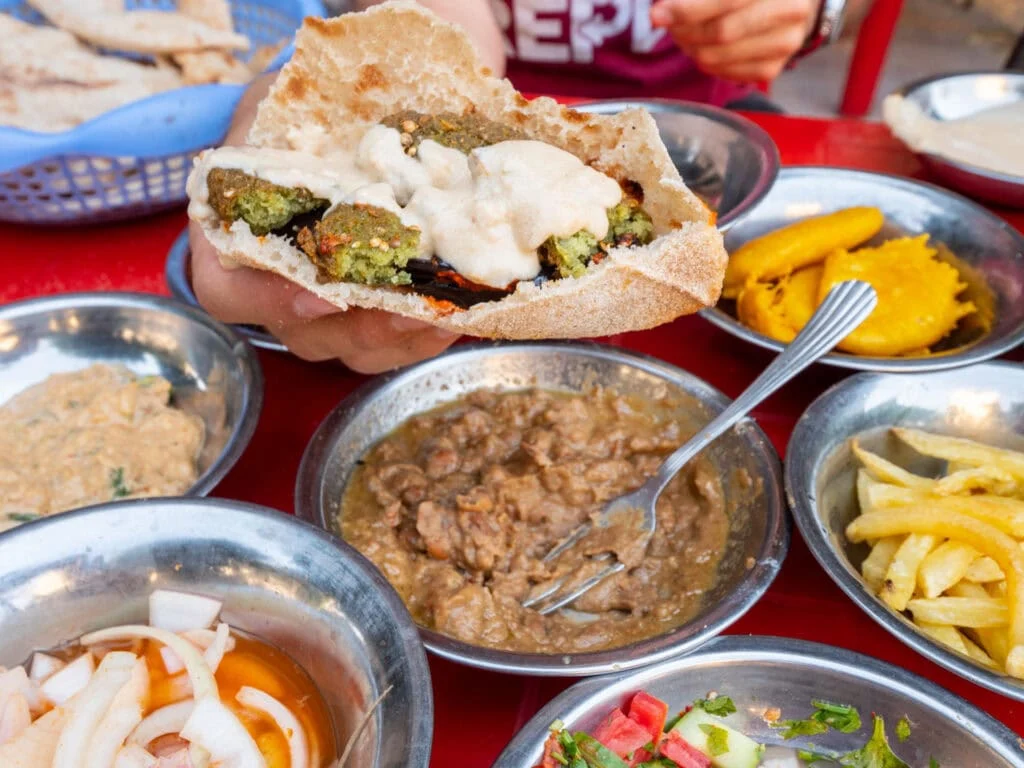
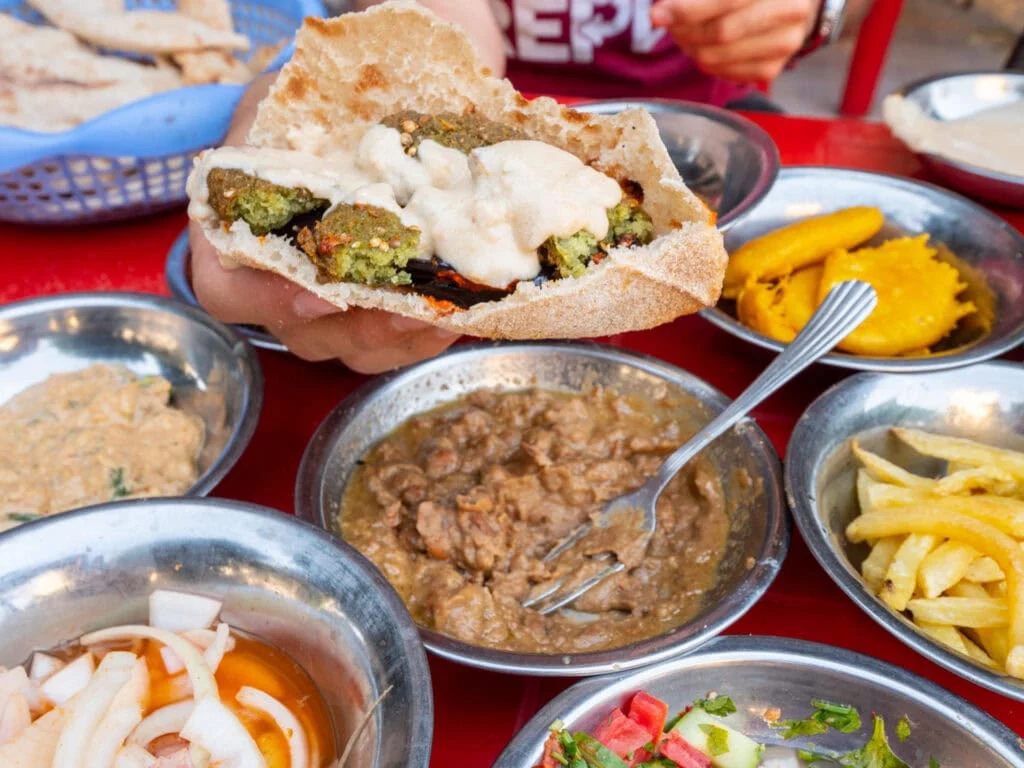
Experiencing authentic Egyptian cuisine—from piping-hot bowls of Koshari to freshly fried Ta'ameya and charcoal-grilled kebabs—is one of the absolute highlights of traveling through Egypt. However, changes in local gut flora, unfamiliar spices, and varying water sanitation standards can sometimes lead to traveler's diarrhea, commonly referred to as "traveler's tummy".
Practicing proactive food safety in Egypt ensures you enjoy the country's rich culinary scene while keeping your digestive system healthy and comfortable. Here is a practical guide covering water rules, food inspection tips, street food strategies, and essential medical remedies.
The Golden Rules of Water Safety
Contaminated water is the primary cause of stomach upset among international visitors. Following strict water precautions is your first line of defense:
-
Drink Bottled Water Only: Stick exclusively to commercially sealed, branded bottled water (such as Baraka, Nestlé Pure Life, or Safi). Always inspect the plastic tamper-evident seal around the cap before opening to ensure it has not been refilled or tampered with.
-
Avoid Ice Cubes: Skip ice in cold drinks at casual cafes, juices stands, or local restaurants unless you are at a high-end international hotel that uses purified, filtered water ice machines.
-
Brush Teeth with Bottled Water: Use bottled water for rinsing your toothbrush and mouth, especially if you have a sensitive stomach.
-
Watch Out While Swimming: Keep your mouth closed while swimming in hotel pools or taking dips in the Nile River to prevent accidental swallowing of untreated water.
Smart Eating Practices: What to Eat vs. What to Avoid
Following the classic travel rule—"Boil it, cook it, peel it, or forget it"—helps eliminate most foodborne risks.
High-Risk Foods to Exercise Caution With
-
Raw Salads and Unpeeled Vegetables: Avoid raw lettuce, tomatoes, and side salads at basic street stalls or budget eateries, as they are often rinsed under tap water.
-
Unpeeled Fruits: Skip fruits with thin, edible skins (like grapes, strawberries, or apples) bought from open markets unless you wash them in purified bottled water. Stick to fruits you can peel yourself, such as bananas, oranges, and mangos.
-
Buffet Dishes Sitting at Room Temperature: Be cautious with hotel buffets where hot dishes have cooled down or cold dairy items have sat exposed to warm air and flies for hours.
-
Undercooked Meats & Raw Seafood: Ensure all meats, kebabs, and fish are served piping hot and fully cooked right through to the center.
Low-Risk, Safe Food Choices
-
Freshly Fried or Grilled Dishes: Foods cooked to high temperatures on order—such as fresh falafel (Ta'ameya), grilled skewers, and hot Shawarma—are inherently sterile and safe.
-
Boiled Starchy Dishes: High-heat boiled comfort foods like Koshari, lentil soup, cooked rice, and baked macaroni tagines are very safe for sensitive stomachs.
-
Steaming Hot Teas: Local mint tea and hibiscus tea (Karkadeh) are made with boiling water, rendering them safe and soothing for digestion.
How to Eat Street Food Safely
Egypt has incredible street food, and skipping it entirely means missing out on local culture. You can sample street vendors safely by using these simple selection criteria:
-
Look for High Turnover: Choose stalls with long lines of local customers. High customer turnover guarantees that food components are freshly prepared and replenished continuously throughout the day rather than sitting out.
-
Watch the Cooking Process: Select vendors who fry or grill orders directly in front of you over high heat.
-
Separate Cash and Food Handling: Check that the vendor preparing your food is not handling cash banknotes directly with the same un-gloved hands.
Essential Hygiene and Hand Sanitization
Dust, environmental dirt, and handling physical money carry bacteria to your hands throughout the day.
-
Wash Hands Frequently: Use soap and warm water before every meal.
-
Carry Alcohol-Based Sanitizer: Keep a small bottle of hand sanitizer (at least 60% alcohol) or antibacterial wet wipes in your daypack to sanitize your hands after handling cash notes, market items, or entering transit vehicles.
What to Do If You Get Sick: Local Over-the-Counter Remedies
Even with cautious habits, mild digestive adjustment can occur. Egyptian pharmacies (Saydaliyya) are widely available, open late, and staffed by licensed pharmacists who can recommend effective local remedies:
-
Antinal (Nifuroxazide): The absolute gold standard local treatment in Egypt for non-systemic traveler's diarrhea. Available over-the-counter at almost every Egyptian pharmacy for a low cost, Antinal acts directly within the intestinal tract to clear bacterial infections without entering the bloodstream.
-
Oral Rehydration Salts (ORS): Sachets of electrolyte powder dissolved in bottled water are essential for restoring fluids and minerals lost through dehydration.
-
Probiotics: Taking daily probiotic supplements starting a week before your trip and throughout your stay can help strengthen your gut flora against unfamiliar bacteria.
Medical Disclaimer: If you experience high fever, persistent vomiting, severe abdominal pain, or symptoms lasting longer than 48 hours despite taking over-the-counter remedies, consult a hotel doctor or visit a modern private clinic immediately.
Practicing basic food safety in Egypt—drinking bottled water, choosing piping-hot cooked meals, sanitizing your hands, and carrying local remedies like Antinal—ensures you sample the country's delicious culinary offerings with complete peace of mind.