

 Ahmed Ragaie
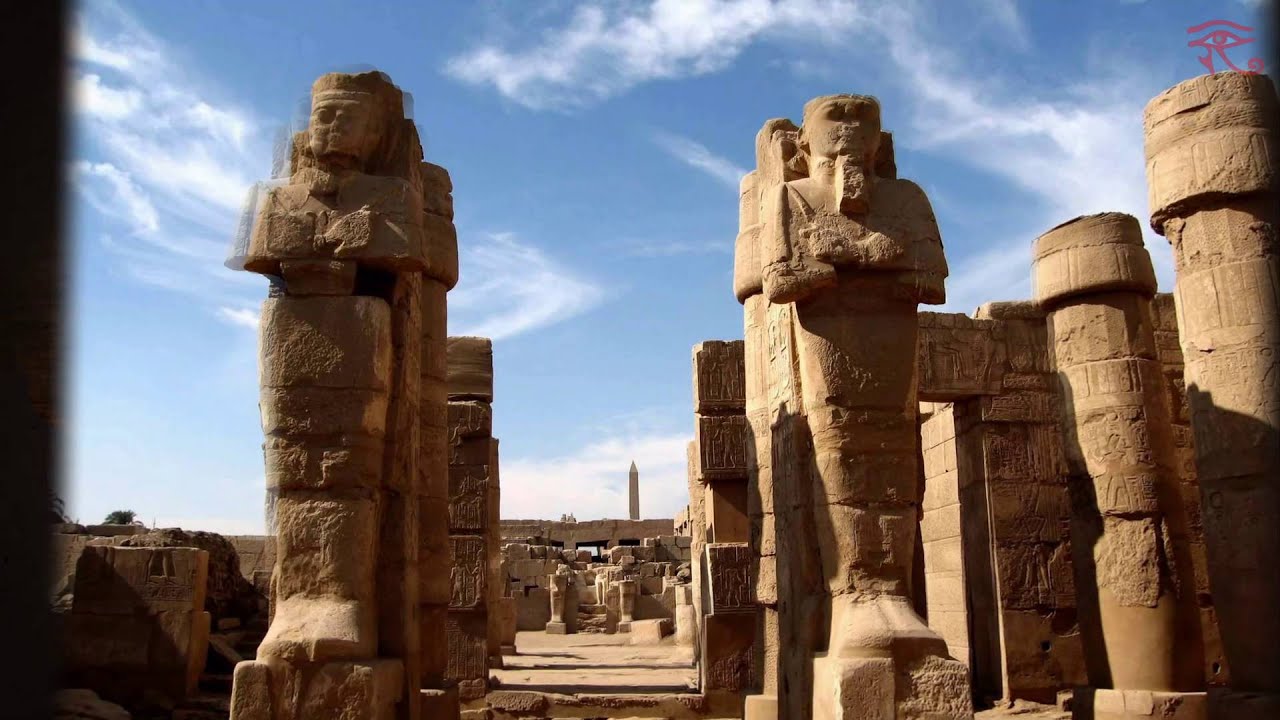
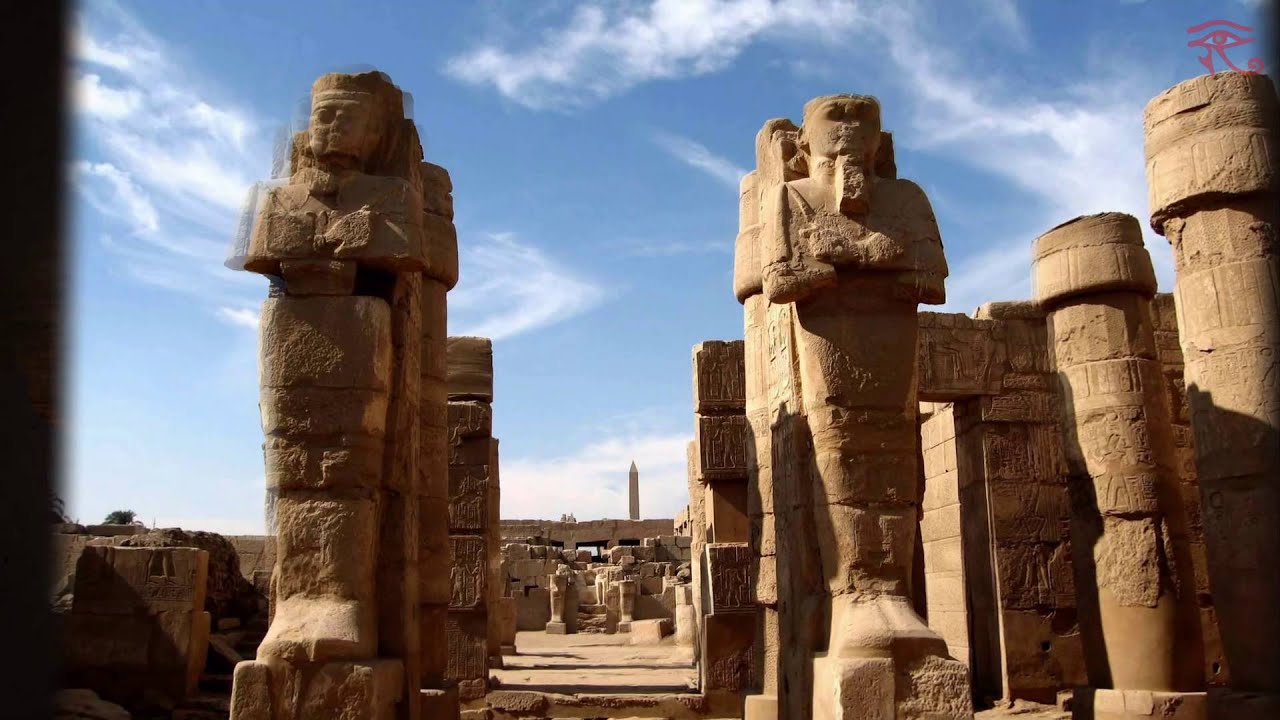
Few ancient sites in Egypt can match the scale and grandeur of Karnak Temple. Located on the eastern bank of the Nile in Luxor, this enormous religious complex is one of the most impressive archaeological sites in the country and an essential stop for anyone interested in ancient Egyptian history.
Exploring Karnak Temple in Luxor: The Largest Religious Complex
Few ancient sites in Egypt can match the scale and grandeur of Karnak Temple. Located on the eastern bank of the Nile in Luxor, this enormous religious complex is one of the most impressive archaeological sites in the country and an essential stop for anyone interested in ancient Egyptian history.
The Karnak Temple Luxor complex was not built by a single pharaoh or during one period. Instead, it developed over more than a thousand years, with successive rulers adding temples, courtyards, statues, obelisks, and other structures dedicated primarily to the ancient Theban gods.
Walking through Karnak today gives visitors a unique opportunity to see how ancient Egyptian religion, architecture, and royal power evolved over centuries.
What Is Karnak Temple?
Karnak is a vast ancient Egyptian temple complex located near modern-day Luxor. Rather than being a single temple, Karnak consists of multiple temples, chapels, pylons, halls, and sacred areas constructed and expanded by different rulers.
The main part of the complex was dedicated to the Theban triad:
-
Amun
-
Mut
-
Khonsu
Amun, who became one of the most important gods in ancient Egypt, was worshipped at Karnak on a monumental scale.
The complex was known in ancient times as a major religious center of Thebes, one of the most important cities of ancient Egypt.
Where Is Karnak Temple Located?
Karnak Temple is located on the eastern bank of the Nile River in Luxor, Upper Egypt.
Luxor itself was built around the ancient city of Thebes and is sometimes described as one of the world's greatest open-air museums because of the remarkable concentration of ancient monuments in and around the city.
The Karnak Temple Luxor complex is relatively close to other major attractions in the city, making it easy to include in a Luxor sightseeing itinerary.
The History of Karnak Temple
One of the most fascinating things about Karnak is its long history.
Construction and expansion took place over many centuries, particularly during the New Kingdom, when Thebes became a major religious and political center.
Pharaohs continued to expand the complex by adding monumental structures and dedicating new buildings to the gods.
Major Pharaohs Associated With Karnak
Several famous rulers contributed to Karnak's development, including:
-
Senusret I
-
Hatshepsut
-
Thutmose III
-
Amenhotep III
-
Seti I
-
Ramses II
Each ruler contributed to the complex in different ways, which explains why Karnak contains such a remarkable variety of architectural features.
The Great Hypostyle Hall
One of the most spectacular parts of Karnak is the Great Hypostyle Hall.
The hall contains a forest of enormous stone columns arranged in rows. Many of the columns are decorated with hieroglyphs and reliefs depicting pharaohs, gods, religious ceremonies, and royal achievements.
Why Is the Hypostyle Hall So Impressive?
The scale of the columns is difficult to appreciate through photographs alone. Standing among them gives visitors a sense of the architectural ambition of ancient Egyptian builders.
The central columns are particularly massive, rising high above the surrounding structures.
For many visitors, the Great Hypostyle Hall is the visual highlight of a visit to Karnak Temple Luxor.
The Sacred Lake
Another important feature of Karnak is the Sacred Lake.
Ancient Egyptian priests used sacred lakes for religious purification and ceremonial purposes. The lake formed part of the temple's religious landscape and was connected to the rituals performed within the complex.
Today, the Sacred Lake provides an interesting contrast to the massive stone structures surrounding it.
The Obelisks of Karnak
Karnak is also famous for its obelisks.
One of the best-known was erected by Queen Hatshepsut, one of ancient Egypt's most powerful female rulers. The remaining obelisk stands as an impressive example of the craftsmanship and engineering of ancient Egyptian civilization.
Hatshepsut and Karnak
Queen Hatshepsut played an important role in the development of the Karnak complex.
Her monuments and inscriptions provide insight into her reign and her relationship with the god Amun.
Visitors interested in ancient Egyptian queens should pay particular attention to the surviving structures associated with Hatshepsut.
The Avenue of Sphinxes
Karnak was connected to Luxor Temple by the famous Avenue of Sphinxes.
The avenue once formed a ceremonial route between the two major temple complexes. It was lined with statues that represented sphinxes and other protective figures.
Today, the restored sections provide visitors with a better understanding of how the temples were connected as part of a much larger religious landscape.
Karnak Temple and Luxor Temple
Although they are separate archaeological sites, Karnak and Luxor Temple are closely connected historically.
Karnak was one of the main religious centers dedicated to Amun, while Luxor Temple also played an important role in religious ceremonies.
Visiting both sites is highly recommended because they offer different perspectives on ancient Theban architecture and religion.
What Can You See at Karnak Temple?
A visit to Karnak can include many different architectural and historical highlights.
Some of the most important features include:
-
The Great Temple of Amun
-
The Great Hypostyle Hall
-
The Sacred Lake
-
Hatshepsut's obelisk
-
Monumental pylons
-
Statues of ancient Egyptian rulers
-
Hieroglyphic inscriptions
-
Temple reliefs
-
The Avenue of Sphinxes
-
Smaller temples and chapels
Because the complex is enormous, visitors should allow enough time to explore it rather than rushing from one monument to another.
How Long Does It Take to Visit Karnak Temple?
Most travelers should allow at least two to three hours to explore the major areas of Karnak comfortably.
History enthusiasts and photography lovers may want to spend even longer inside the complex.
A guided tour can also make a significant difference because many of the inscriptions, reliefs, and architectural details have religious or historical meanings that may not be immediately obvious.
Best Time to Visit Karnak Temple
The best time to visit Karnak generally depends on the season and your tolerance for heat.
Visit Early in the Morning
Early morning can be an excellent choice, especially during the warmer months.
Temperatures are usually more comfortable, and arriving early can also provide a quieter experience before the site becomes busier.
Visit Later in the Afternoon
Late afternoon can also be appealing because the changing sunlight can create dramatic shadows across the columns and stone walls.
However, visitors should check the current opening hours before planning their visit, as schedules can change.
What to Wear When Visiting Karnak Temple
Karnak is an outdoor archaeological site, so comfortable clothing is important.
Consider wearing:
-
Comfortable walking shoes
-
Lightweight clothing
-
A hat or cap
-
Sunglasses
-
Sunscreen
-
Breathable clothing
Egypt can be very hot, particularly during the summer, so protecting yourself from direct sunlight is important.
Is Karnak Temple Worth Visiting?
Absolutely.
Even travelers who are not normally interested in archaeology can appreciate the scale and visual impact of Karnak.
The enormous columns, ancient inscriptions, statues, obelisks, and open courtyards create an experience that is difficult to replicate anywhere else.
For travelers visiting Luxor for the first time, Karnak is generally one of the most important attractions to include in their itinerary.
Karnak Temple for First-Time Visitors
If this is your first trip to Luxor, it helps to understand that Karnak is much larger than many conventional temple sites.
Instead of expecting a single building, think of Karnak as an entire religious district developed over centuries.
Hire a Local Guide
A knowledgeable guide can explain the mythology, symbolism, architecture, and historical events represented throughout the complex.
Without a guide, it is still possible to appreciate the monuments, but you may miss many details hidden in the inscriptions and reliefs.
Bring Water
Walking through the complex can take several hours, and much of the site is exposed to the sun.
Bring water and take breaks when necessary.
Take Your Time
Do not rush through the Great Hypostyle Hall or the main courtyards.
Some of Karnak's most interesting details are found in the smaller reliefs and inscriptions that are easy to overlook when moving too quickly.
Karnak Temple at Night
Karnak can offer a completely different atmosphere after dark when special evening experiences are available.
The illuminated monuments can create dramatic views of the columns and temple structures.
Availability and schedules for evening experiences can change, so visitors should check the latest information before making plans.
Karnak Temple vs. Luxor Temple
Travelers with limited time often wonder whether they should visit Karnak Temple or Luxor Temple.
The two sites are worth visiting for different reasons.
Karnak Temple is larger and contains a much broader collection of monumental structures, including the Great Hypostyle Hall, Sacred Lake, and famous obelisks.
Luxor Temple is smaller and more compact, but its location in the heart of modern Luxor makes it particularly convenient for an evening visit.
If possible, visiting both provides a more complete understanding of ancient Thebes.
Frequently Asked Questions About Karnak Temple Luxor
What is Karnak Temple famous for?
Karnak is famous for its enormous ancient Egyptian temple complex, monumental columns, hieroglyphic inscriptions, obelisks, statues, and the Great Hypostyle Hall.
Where is Karnak Temple located?
Karnak Temple is located on the eastern bank of the Nile in Luxor, Upper Egypt.
How old is Karnak Temple?
Karnak developed over many centuries, with major construction and expansion taking place during different periods of ancient Egyptian history, particularly during the New Kingdom.
How long should you spend at Karnak Temple?
Most visitors should allow around two to three hours to see the major areas, although travelers with a strong interest in history may want additional time.
What is the Great Hypostyle Hall?
The Great Hypostyle Hall is one of Karnak's most famous areas and contains numerous massive stone columns decorated with ancient Egyptian inscriptions and reliefs.
Can you visit Karnak Temple and Luxor Temple on the same day?
Yes. The two sites are relatively close to each other and can easily be combined into a single Luxor sightseeing itinerary.
Is Karnak Temple worth visiting?
Yes. Karnak is one of the most impressive ancient Egyptian sites in Luxor and offers visitors an extraordinary combination of architecture, history, religion, and art.
Final Thoughts
Exploring Karnak Temple Luxor is like walking through thousands of years of ancient Egyptian history.
Its enormous pylons, towering columns, sacred spaces, obelisks, statues, and detailed inscriptions reveal the importance of religion and royal power in ancient Thebes.
Whether you are visiting Egypt for the first time or returning to explore its ancient civilization in greater depth, Karnak deserves a prominent place on your Luxor itinerary. Taking your time to explore the complex—and ideally visiting with a knowledgeable guide—can turn a sightseeing stop into one of the most memorable experiences of your trip to Egypt.