
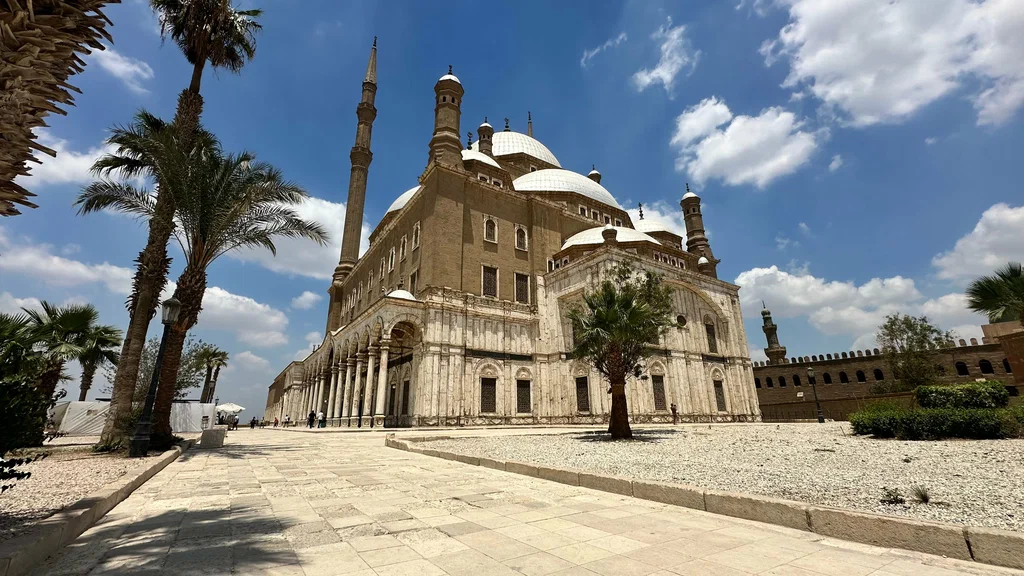
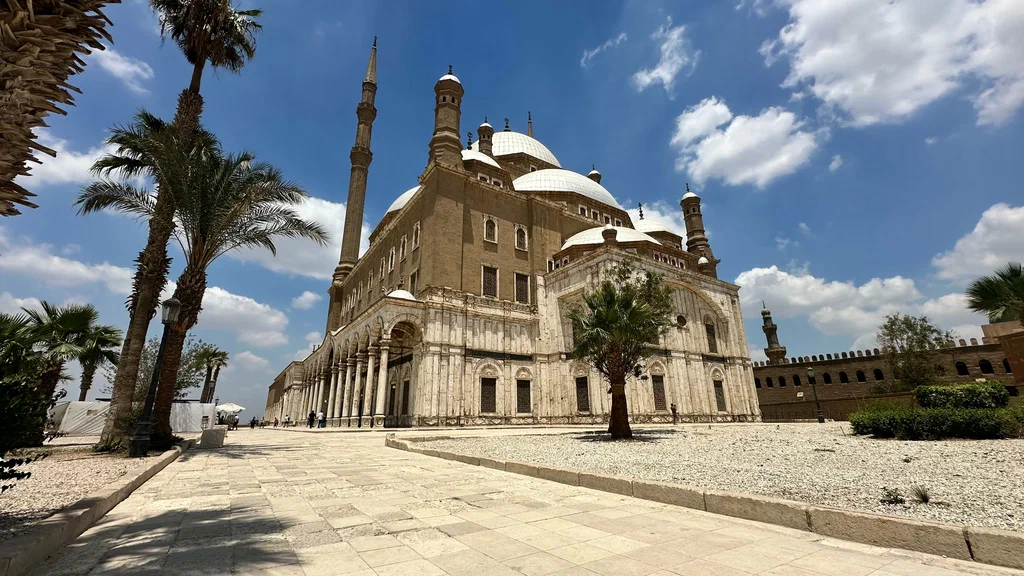
Perched dramatically atop the Citadel of Saladin, the Mosque of Muhammad Ali Cairo is one of the capital’s most recognizable landmarks. Often referred to as the "Alabaster Mosque" due to the extensive use of polished alabaster stone coating its interior and exterior walls, its soaring minarets and cascading domes dominate Cairo’s skyline.
Whether you are drawn by Ottoman architectural grandeur, historical significance, or panoramic views across the city, here is a complete visitor guide covering history, design highlights, and practical tips.
The History Behind the Alabaster Mosque
Commissioned between 1830 and 1848 by Muhammad Ali Pasha—the Ottoman governor widely regarded as the founder of modern Egypt—the mosque was built in memory of his deceased eldest son, Tusun Pasha.
-
Ottoman Architectural Influence: Designed by the Turkish architect Yusuf Bushnak, the mosque consciously mimics the classical Ottoman imperial style of Istanbul's famous Blue Mosque. This architectural choice served as a bold political statement, reflecting Muhammad Ali’s desire to assert his independence while maintaining cultural ties to the Ottoman Empire.
-
Location Within the Citadel: The mosque was built over the ruins of former Mamluk structures inside the historic 12th-century Citadel of Saladin, reinforcing the site's status as the seat of Egyptian governance for centuries.
Key Architectural and Design Highlights
1. The Alabaster Facade and Courtyard
The lower half of the mosque’s exterior walls and the wide open courtyard (Sahn) are completely clad in white alabaster stone quarried from Upper Egypt.
-
The Clock Tower: In the center of the western courtyard stands an ornate brass clock tower presented to Muhammad Ali by King Louis-Philippe of France in 1845 in exchange for the ancient Egyptian obelisk that now stands at the Place de la Concorde in Paris.
-
Ablution Fountain: The center of the courtyard features an elegant wooden ablution fountain with a domed roof, used by worshippers for ceremonial washing before prayer.
2. The Soaring Prayer Hall Interior
Step inside the immense central prayer hall to experience its dramatic scale:
-
Cascading Domes: A central dome reaching 52 meters in height is supported by four massive semi-domes and four corner cupolas.
-
Ornate Illumination: The vast hall is lit by a ring of hundreds of hanging glass lamps suspended from a circular brass chandelier.
-
The Royal Minbar & Tomb: The interior houses two pulpits (minbars), including a green and gold wooden minbar and a carved alabaster alternative. In the southwestern corner lies the elaborate marble tomb of Muhammad Ali Pasha himself.
3. Panoramic Views of Cairo
Step out onto the stone terrace situated directly behind the mosque for one of the finest viewpoints in all of Cairo. On clear days, you enjoy 360-degree panoramic views across the city’s minarets, Old Cairo, and all the way to the distant Pyramids of Giza on the horizon.
Practical Information for Visitors
-
Location: Inside the Citadel of Saladin (Al-Abageyah, El-Khalifa district, Cairo).
-
Opening Hours: Open daily from 8:00 AM to 4:30 PM.
-
Entry Tickets: Entry to the mosque is included with your general admission ticket to the Citadel of Saladin (approx. 450 EGP for international adults; 50% discount for international students with a valid ISIC card). Note that ticket windows operate on a card-only payment system.
-
Dress Code & Etiquette: As an active place of worship, modest attire is required. Visitors must cover their shoulders and knees. Women are advised to bring a light scarf to cover their hair. Shoes must be removed before entering the carpeted prayer hall (shoe shoe-covers or small tips for shoe attendants are standard).
Final Thoughts
Visiting the Mosque of Muhammad Ali Cairo pairs rich 19th-century history with breathtaking architectural design. Standing on the Citadel terrace while gazing across Cairo's historic skyline remains an essential experience for any trip to Egypt's capital.