
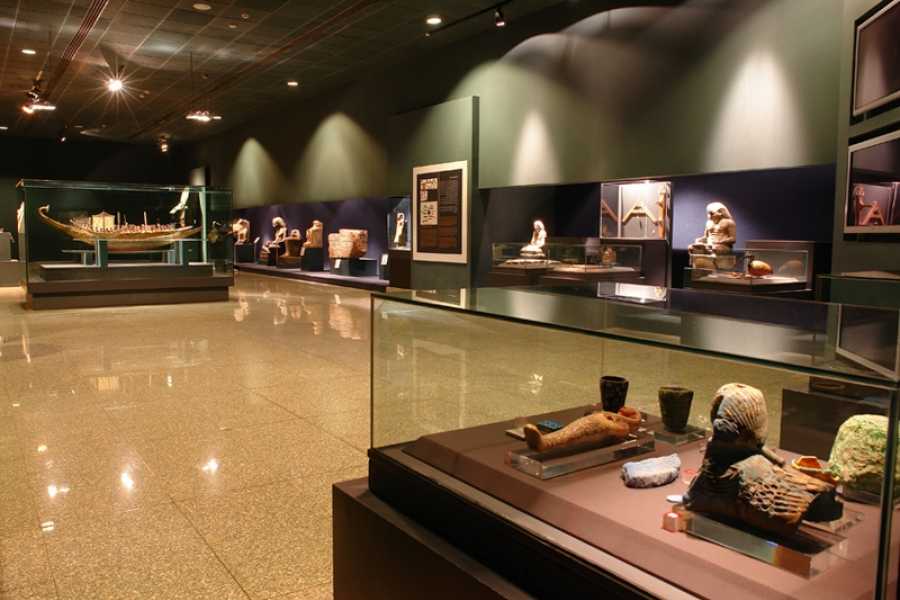
Located along the scenic Nile Corniche in Luxor, the Mummification Museum Luxor offers a fascinating, specialized window into one of ancient Egypt's most famous sacred practices. While grand open-air temples and royal tombs celebrate the lives and legacies of the pharaohs, this dedicated museum focuses on the precise science, religious rituals, and complex techniques used to preserve bodies for the afterlife.
Compact, well-lit, and fully air-conditioned, it serves as an ideal 45-to-60-minute stop during your stay in Upper Egypt. Here is a quick guide covering key exhibits, visitor information, and practical tips.
Why Visit the Mummification Museum?
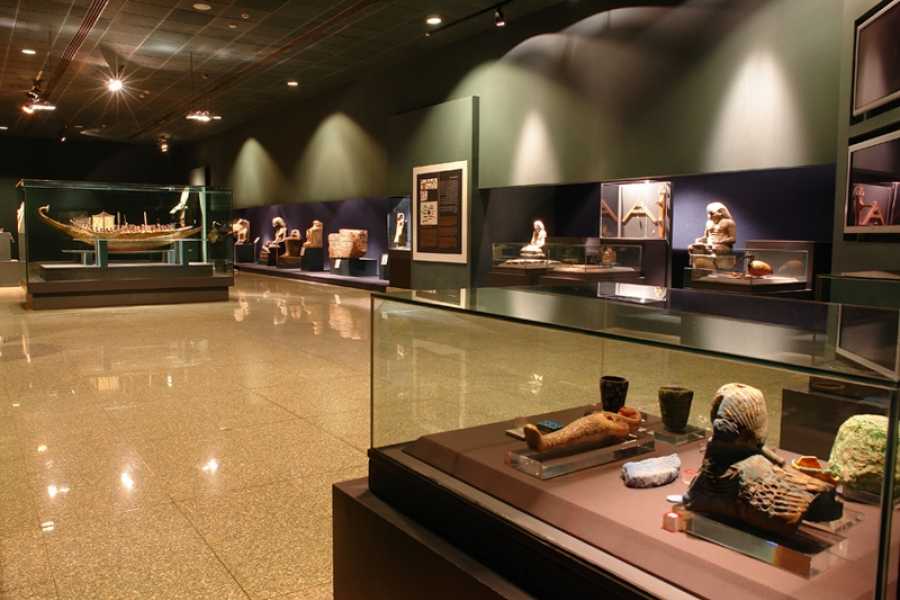
Unlike sprawling institutions like the Egyptian Museum or the Grand Egyptian Museum in Cairo, the Mummification Museum focuses entirely on a single topic. It demystifies the ancient embalming process by displaying authentic tools, organic chemical compounds, chestCanopic jars, and mummified specimens.
The museum explains the ancient Egyptian belief system surrounding the afterlife—specifically how preserving the physical body (Khat) was essential for housing the soul (Ka) and spirit (Ba) throughout eternity.
Key Exhibition Highlights
1. Ancient Embalming Tools and Materials
The museum displays the actual surgical and ceremonial instruments utilized by ancient embalmers:
-
Bronze Hooks and Spatulas: Specialized metal tools inserted through the nasal passages to extract brain tissue.
-
Flint Knives: Ceremonial obsidian and flint blades used to make precise abdominal incisions for organ removal.
-
Natron Salt and Resins: Genuine samples of natron salt (harvested from natural desert lakebeds to dehydrate tissues), alongside aromatic resins, beeswax, and linen bandages used for wrapping.
2. Canopic Jars and Religious Amulets
-
The Four Sons of Horus: Beautifully carved stone and terracotta Canopic jars designed to protect the preserved internal organs (liver, lungs, stomach, and intestines). Each lid depicts one of the protective deities: Imsety, Hapi, Duamutef, and Qebehsenuef.
-
Protective Amulets: Intricate Heart Scarabs, Djed pillars, and Eye of Horus amulets that were woven directly into the linen wrappings to safeguard the deceased during judgment before Osiris.
3. Mummified Animals
Human pharaohs were not the only beings prepared for eternity. The museum houses an impressive collection of mummified sacred animals representing different gods:
-
Sacred Cats: Representing the goddess Bastet.
-
Ibises and Baboons: Representing Thoth, the god of wisdom.
-
Crocodiles and Rams: Preserved specimens honoring Sobek and Amun-Ra.
4. The Mummy of Masaharta
The centerpiece human exhibit is the exceptionally preserved mummy of Masaharta, a High Priest of Amun during the 21st Dynasty. His mummy clearly showcases the intricate linen wrapping technique and pristine preservation achieved by master ancient embalmers.
Visitor Information and Logistics
-
Location: Directly on the Nile Corniche in central Luxor (just a 5-minute walk north of Luxor Temple).
-
Opening Hours: Open daily in two shifts: 9:00 AM to 1:00 PM and 5:00 PM to 9:00 PM (evening hours provide a welcome air-conditioned escape after a day of outdoor sightseeing).
-
Ticket Fees: International adult entry tickets cost approximately 160 EGP to 200 EGP (with a 50% discount for students holding a valid ISIC card).
-
Payment Method: The ticket office operates under a strict card-only payment system (Visa and Mastercard accepted). Cash is not accepted at the entry counter.
Practical Tips for Your Visit
-
Short and Focused Visit: Plan to spend roughly 45 minutes to 1 hour exploring the single-level exhibition hall.
-
Combine with Luxor Temple: Visit the museum during its evening opening shift (5:00 PM – 9:00 PM) right before or after touring the illuminated columns of nearby Luxor Temple.
-
Read the Informational Panels: The museum features detailed English and Arabic descriptive plaques explaining each phase of the 70-day mummification process step-by-step.
Visiting the Mummification Museum Luxor provides an educational foundation that enriches your experience when stepping inside subterranean tombs in the Valley of the Kings. Its unique focus and authentic artifacts make it one of Luxor's most intriguing cultural stops.