

 Ahmed Ragaie
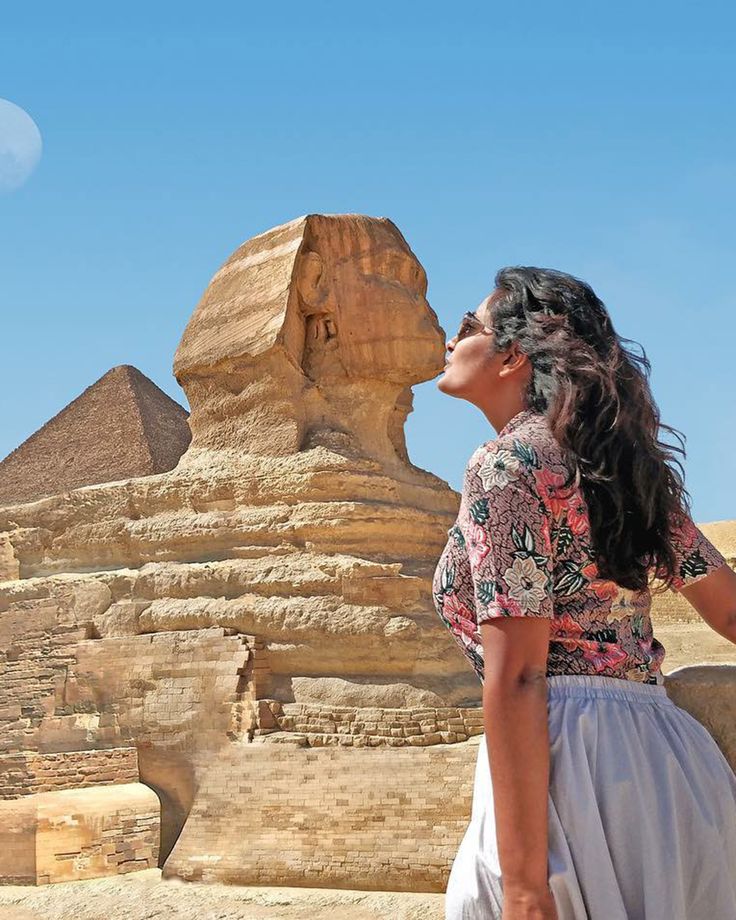
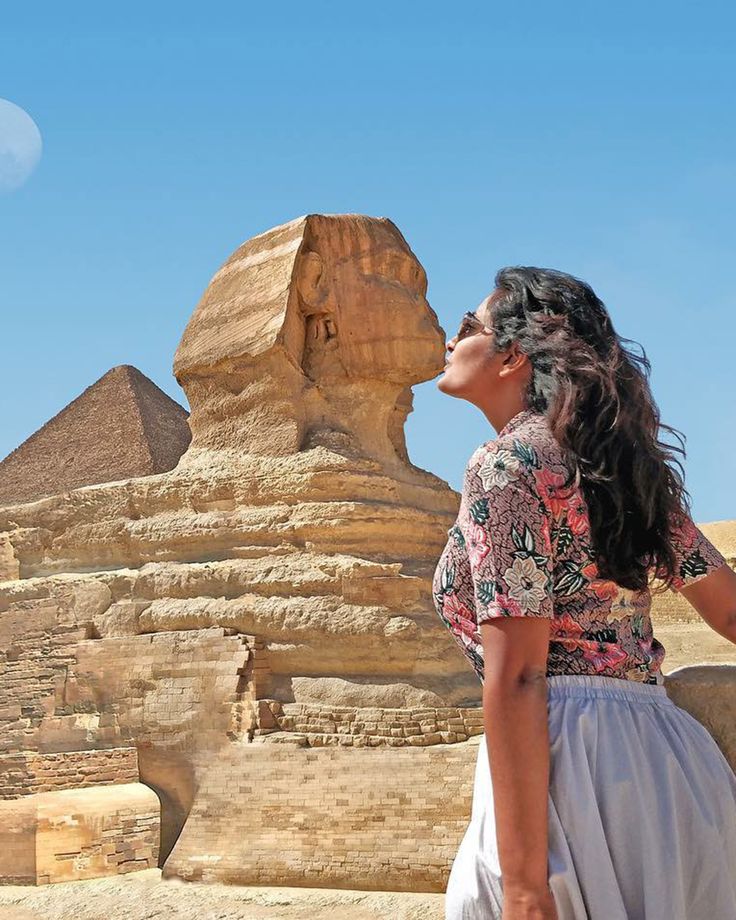
Capturing memories against the backdrop of ancient pyramids, towering temple columns, and bustling medieval bazaars is a highlights feature of any trip to North Africa. However, because Egypt maintains strict regulations regarding public security, archaeological preservation, and personal privacy, knowing the official guidelines before pulling out your camera gear is essential.
Photography Rules in Egypt: Cameras, Drones, and Cell Phones
Capturing memories against the backdrop of ancient pyramids, towering temple columns, and bustling medieval bazaars is a highlights feature of any trip to North Africa. However, because Egypt maintains strict regulations regarding public security, archaeological preservation, and personal privacy, knowing the official guidelines before pulling out your camera gear is essential.
Understanding photography rules in Egypt prevents unnecessary delays at airport security checkpoints, site entrance gates, and historic venues.
Here is a comprehensive, up-to-date guide covering regulations for cell phones, professional camera gear, tripods, street photography, and drone restrictions.
1. Mobile Phone Photography Rules
For the vast majority of international tourists using modern smartphones, photography in Egypt is straightforward, convenient, and completely free of charge.
-
Free Mobile Photography: In 2022, the Egyptian Ministry of Tourism and Antiquities officially declared that personal photography using standard mobile phones is permitted for free across all open public spaces, museums, and historical archaeological sites without purchasing separate permits.
-
Flash Photography Prohibition: Using a flash inside ancient tombs, museum halls, and enclosed temples is strictly forbidden. The intense artificial light from flash bulbs degrades delicate, thousands-of-years-old paint pigments on ancient walls and wooden artifacts. Always turn your phone flash off before entering any interior venue.
2. Professional Cameras, Lenses, and Tripods
If you are carrying DSLR cameras, mirrorless bodies, professional zoom lenses, or stability gear, different regulations apply depending on your setup.
-
Personal Professional Gear: Travelers carrying standard DSLR or mirrorless cameras with standard lenses for personal, non-commercial use can shoot freely at major archaeological sites.
-
The Tripod Rule: Bringing professional tripods, monopods, lighting rigs, or heavy reflective gear into archaeological sites or museum galleries requires a specialized commercial photography permit. Security officers at site entrances (such as the Giza Plateau or Valley of the Kings) will ask you to leave unpermitted tripods at the security luggage counter before entering.
-
Commercial Filming Permits: If you are filming commercial content, documentaries, or sponsored social media productions, you must apply for an official media permit through the State Information Service (SIS) well in advance of your arrival.
3. The Strict Ban on Drones
One of the most important photography rules in Egypt involves unmanned aerial vehicles (drones).
-
Absolute Restriction: Importing, possessing, or operating recreational drones (such as DJI models) without prior official clearance from the Egyptian Ministry of Defense is strictly prohibited under national security laws.
-
Customs Confiscation: If you attempt to bring a drone into the country in your luggage through Cairo International Airport without prior military authorization, airport customs security will detect it on X-ray scanners and confiscate the device. You will only be able to reclaim it upon your final departure from the country after paying storage fees.
-
Do Not Attempt Remote Flying: Flying an unauthorized drone anywhere near military installations, government infrastructure, or archaeological monuments carries severe legal consequences. Leave all drone equipment at home.
4. Street Photography and Respecting Local Privacy
Capturing authentic street scenes in vibrant cities like Cairo or Alexandria is a rewarding experience, but local cultural etiquette and privacy laws must be respected.
-
Ask Permission Before Photographing People: Always politely ask for permission before taking close-up portraits of local street vendors, artisans, children, or residents. A warm smile and a simple request ("May I take a photo?") go a long way.
-
Strict Prohibitions: Taking photos or videos of military personnel, police checkpoints, government buildings, border crossings, bridges, or security infrastructure is strictly illegal. Keep your camera stored away when passing through security zones.
By following these practical photography rules in Egypt, you can capture breathtaking photos across the country safely, respectfully, and without any operational issues.