

 Ahmed Ragaie
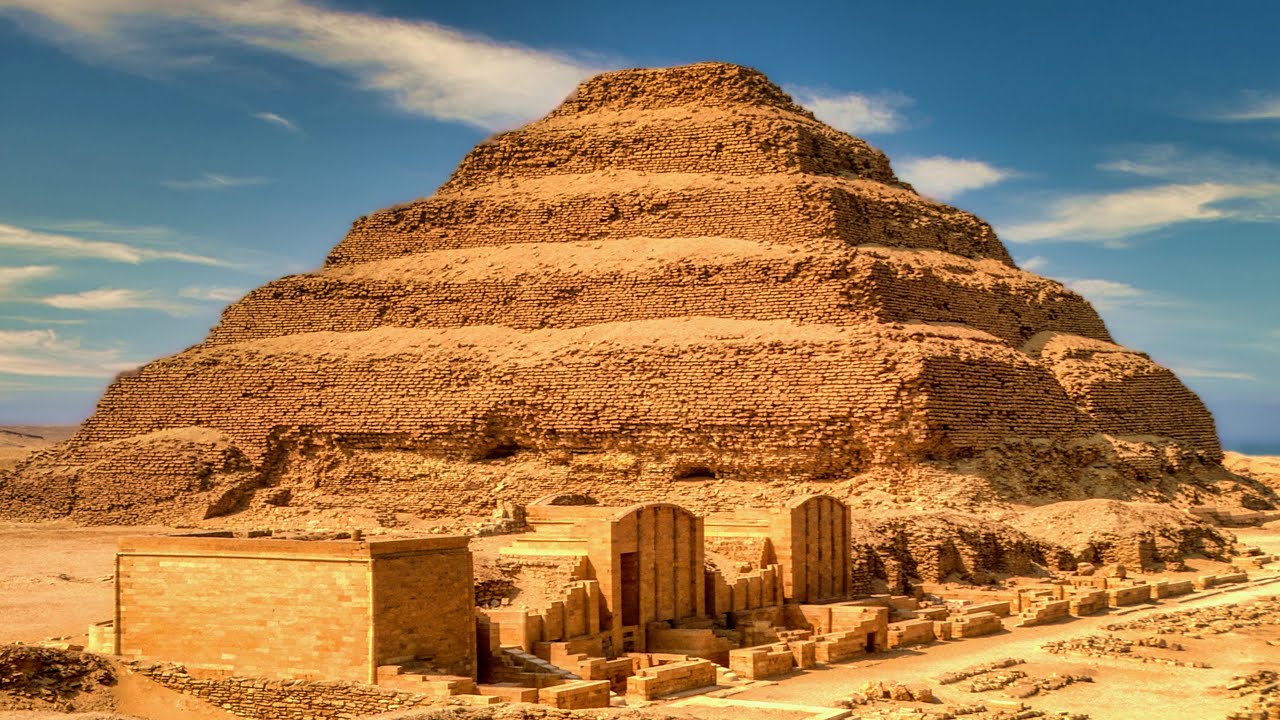
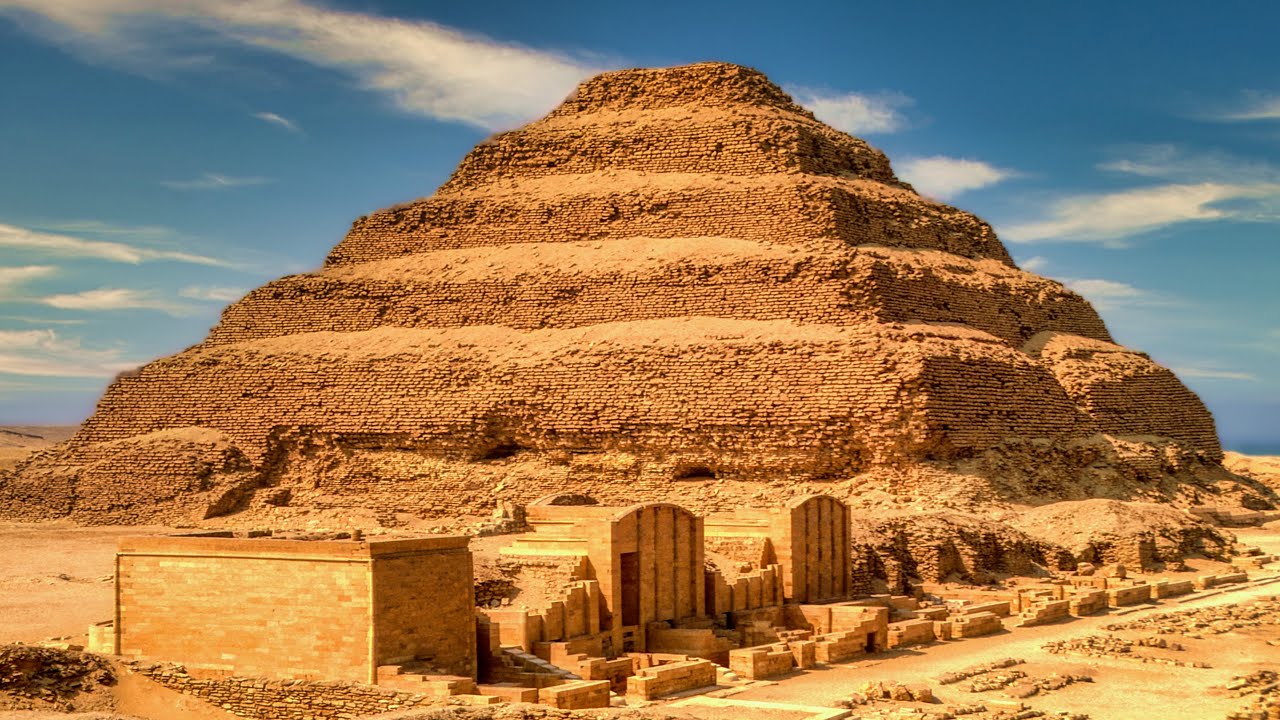
When international travelers picture Egypt, the smooth, giant triangular faces of the Giza Pyramids immediately come to mind. However, long before the monumental feats at Giza were ever conceived, royal architects were experimenting with stone masonry just a few miles south in the desert plateau. The result of this revolutionary engineering shift was the Saqqara Step Pyramid, built for Pharaoh Djoser during the Third Dynasty around 2670 BC.
Saqqara Step Pyramid: How to Visit Djoser's Tomb
When international travelers picture Egypt, the smooth, giant triangular faces of the Giza Pyramids immediately come to mind. However, long before the monumental feats at Giza were ever conceived, royal architects were experimenting with stone masonry just a few miles south in the desert plateau. The result of this revolutionary engineering shift was the Saqqara Step Pyramid, built for Pharaoh Djoser during the Third Dynasty around 2670 BC.
Recognized as the oldest monumental stone structure in the world, the Step Pyramid represents the critical bridge between early flat-topped mudbrick tombs and the massive smooth-sided pyramids of later dynasties. If you are planning an in-depth historical itinerary through the capital region, exploring the vast necropolis surrounding the Saqqara Step Pyramid offers an uncrowded, deeply rewarding look at early pharaonic history.
Here is a comprehensive visitor guide covering everything you need to know about exploring Pharaoh Djoser’s royal tomb complex, subterranean burial chambers, and the surrounding archaeological discoveries at Saqqara.
The Genius of Imhotep: Architectural Innovation
To appreciate why the Saqqara Step Pyramid holds such monumental status in world history, one must understand the visionary architect behind its construction: Imhotep. Before Imhotep’s reign as royal chancellor, Egyptian elite tombs—known as mastabas—were rectangular, single-story structures built primarily of sun-dried mudbrick.
Imhotep made two groundbreaking decisions that changed human architecture forever:
-
Durable Materials: He abandoned perishable mudbrick in favor of durable quarried limestone blocks, creating a monument designed to last for eternity.
-
Vertical Layering: He stacked six increasingly smaller rectangular stone mastabas directly on top of one another. This created a six-tiered stepped structure reaching over 200 feet into the desert sky.
The stepped design was not merely decorative; it held profound religious significance. The steps functioned as a symbolic stone staircase allowing the deceased pharaoh’s soul to ascend directly into the heavens to join the immortal gods. Because of this achievement, Imhotep was revered for thousands of years and eventually deified as a god of wisdom, architecture, and medicine.
What to Explore at the Djoser Complex
The Saqqara Step Pyramid does not stand in isolation. It serves as the centerpiece of a vast 37-acre walled funerary complex filled with ceremonial courtyards, shrines, and symbolic royal structures designed for the king's eternal afterlife.
1. The Great Entrance Colonnade
Your journey into the complex begins by walking through a restored stone perimeter wall into the majestic Entrance Colonnade. This grand corridor features 40 massive limestone columns designed to mimic bundled papyrus stalks and palm ribs. Walking through this cool, shaded stone hall creates a powerful sense of entering an ancient sacred sanctuary.
2. The South Court and Heb-Sed Pavilion
Upon exiting the colonnade, you step into the expansive South Court, dominated by the towering south face of the Saqqara Step Pyramid. To the side lies the Heb-Sed court, surrounded by symbolic shrines. In ancient times, the pharaoh performed the Heb-Sed ritual—a grueling physical jubilee held every thirty years—to demonstrate his physical vitality and renew his divine right to rule over Upper and Lower Egypt.
3. Going Inside the Step Pyramid
Following extensive structural conservation work led by international restoration teams, visitors can now descend into the interior chambers beneath the Saqqara Step Pyramid.
Unlike the Giza Pyramids, which house burial chambers high within the stone structure, Djoser’s burial vault lies deep in the bedrock below the base. A central vertical shaft drops nearly 90 feet down to a granite-block burial chamber. Branching off from this central shaft is an intricate three-mile maze of underground tunnels, corridors, and storerooms designed to house royal grave goods, statues, and ritual offerings.
4. The Faience Tile Galleries
Deep within the subterranean tunnels, archaeologists discovered royal galleries lined with thousands of delicate, shimmering blue-green glazed faience tiles. These tiles were arranged in stone panels to mimic woven reed mats that decorated the interior of the pharaoh’s real-life royal palace in Memphis.
Major Discoveries Around the Saqqara Necropolis
While Djoser's monument is the main highlight, Saqqara is an active, sprawling archaeological zone that stretches across five miles of desert. In recent years, Saqqara has dominated international headlines due to incredible new discoveries.
-
The Serapeum of Saqqara: Located just a short distance from the Step Pyramid, the Serapeum is an underground catacomb containing 24 massive, polished black granite sarcophagi weighing up to 70 tons each. These colossal stone boxes housed the mummified remains of the sacred Apis Bulls, worshipped as living incarnations of the god Ptah.
-
The Tomb of Ti and the Mastaba of Mereruka: These Old Kingdom noble tombs feature some of the most vibrant, detailed wall reliefs ever discovered. The carvings show daily life 4,500 years ago, including scenes of farming, fishing, cattle crossing rivers, goldsmithing, and traditional banquets.
-
Recent Mummification Workshops: Ongoing excavations near the Step Pyramid have unearthed ancient embalming workshops, complete with ceramic measuring cups, oils, and hundreds of painted wooden coffins preserved perfectly in dry desert shafts.
How to Plan Your Visit to Saqqara
Because Saqqara is located about 20 miles south of central Cairo, planning proper transport and timing ensures a smooth day trip:
-
Combine with Memphis and Dahshur: A popular and efficient day-trip strategy is combining a morning at the Saqqara Step Pyramid with visits to the nearby open-air museum at Memphis (the ancient capital) and the quiet Bent and Red Pyramids at Dahshur.
-
Hire a Dedicated Guide: The vast desert site has minimal English signage across noble tombs. Having a knowledgeable Egyptologist guide is essential to help translate hieroglyphics, locate open tombs, and navigate between distant sectors of the necropolis.
-
Bring Walking Shoes and Sun Protection: The archaeological zone is dusty, unpaved, and offers minimal shade. Wear sturdy walking shoes, a wide-brimmed hat, and sunscreen, and carry plenty of bottled water.
Exploring the Saqqara Step Pyramid provides an essential historical context for any Egyptian journey, offering a rare glimpse into the exact moment human civilization learned to build toward the sky with stone.