

 Ahmed Ragaie
Planning a vacation to North Africa during the holy month of Ramadan offers international travelers a unique opportunity to experience authentic local culture, vibrant nighttime festivities, and warm hospitality. However, because daily life shifts drastically during this sacred Islamic month, knowing what to expect ensures your trip runs smoothly.
Traveling to Egypt During Ramadan: What Tourists Need to Know
Planning a vacation to North Africa during the holy month of Ramadan offers international travelers a unique opportunity to experience authentic local culture, vibrant nighttime festivities, and warm hospitality. However, because daily life shifts drastically during this sacred Islamic month, knowing what to expect ensures your trip runs smoothly.
If you are considering traveling to Egypt during Ramadan, here is a complete guide covering daily schedules, dining guidelines, cultural etiquette, and nighttime celebrations.
Understanding Ramadan in Egypt
Ramadan is the ninth month of the Islamic lunar calendar, commemorating the revelation of the Quran. During this holy month, Muslims fast from dawn until sunset, abstaining from all food, drink (including water), and smoking.
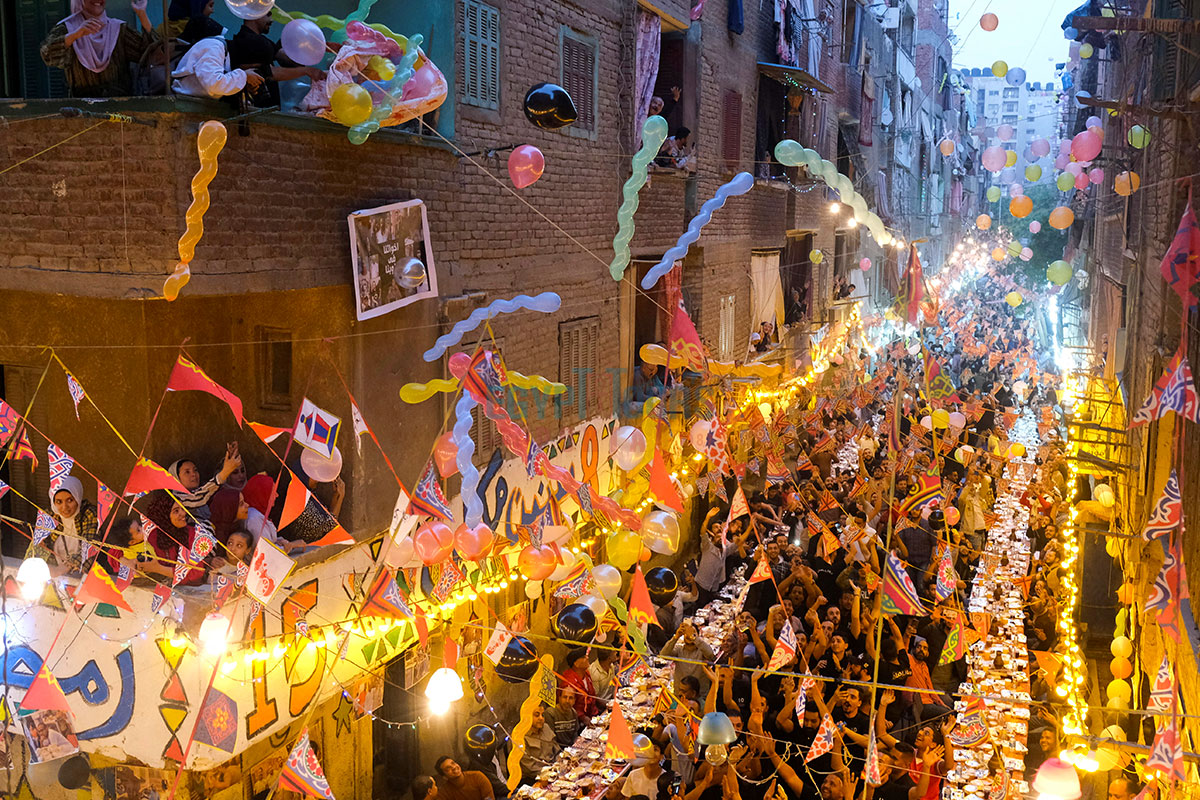
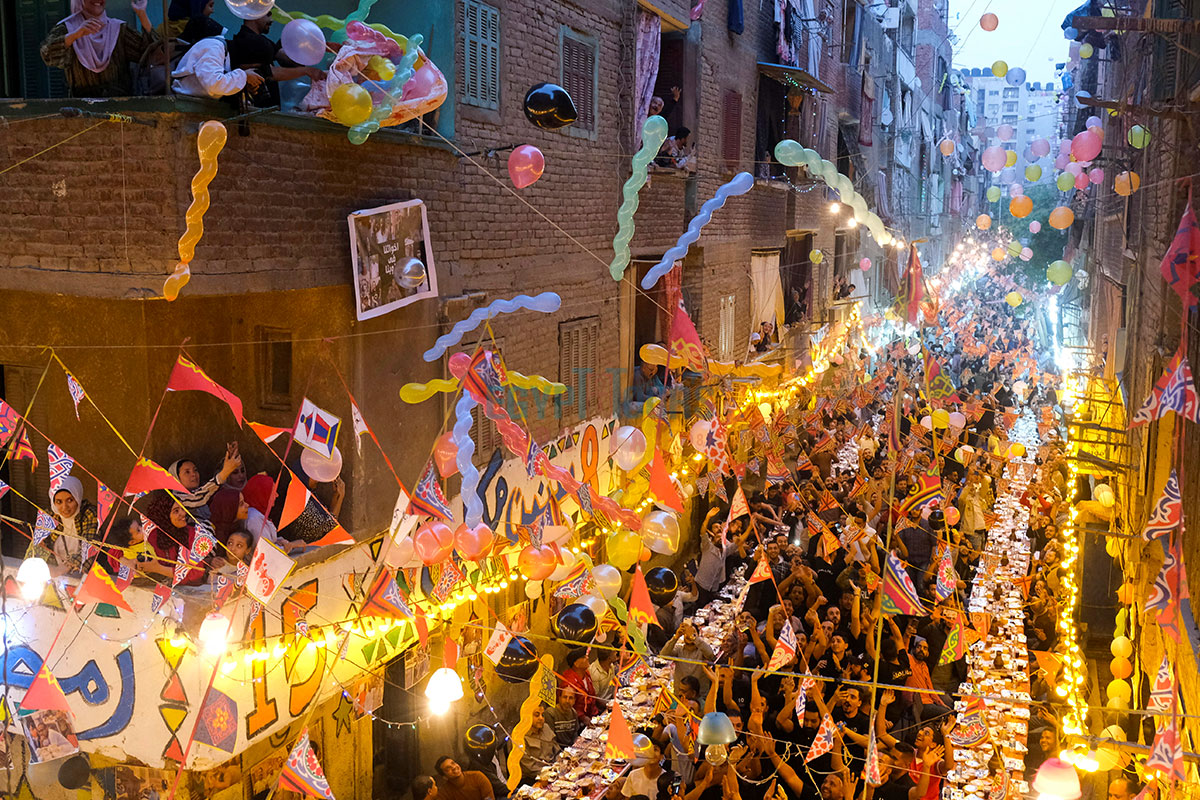
It is a time dedicated to family, charity, reflection, and spiritual renewal. Once the sun sets, the country awakens with vibrant energy, decorated streets, and festive late-night gatherings that run well into the early morning hours.
What Shifts During the Day?
During daylight fasting hours, the pace of daily life across major cities slows down noticeably:
-
Adjusted Business and Site Hours: Government offices, banks, and major tourist sites (including the Pyramids and national museums) typically adjust their opening hours, closing an hour or two earlier in the afternoon to allow staff time to travel home for the evening break-fast meal.
-
Quiet Streets: Traffic in Cairo and Luxor is surprisingly light during the day, making travel between sightseeing stops quick and easy.
-
Gentler Energy: Service workers and drivers are fasting through long hours in the heat, so exercising a little extra patience and kindness goes a long way.
Dining and Water Guidelines for Non-Muslim Tourists
International tourists are not expected to fast. Hotels, cruise ships, and major tourist-oriented restaurants operate as normal throughout the day.
-
Eating and Drinking in Public: While non-Muslims can eat and drink freely, it is polite and respectful to avoid eating snacks, smoking, or drinking water openly on public street corners or public transport right in front of people who are fasting.
-
Hotel and Resort Services: Luxury hotels keep their main dining halls open or screened off for international guests. In Red Sea resort towns like Hurghada and Sharm El Sheikh, daily resort life continues as normal.
The Magic of Iftar and Suhoor
The true highlight of traveling to Egypt during Ramadan happens when the sun dips below the horizon.
-
Iftar (The Sunset Meal): At the sound of the evening call to prayer and the firing of the traditional sunset cannon (Midfa al-Iftar), millions of people break their fast simultaneously. Families gather at home, while streets fill with free community tables (Mawa'id al-Rahman) offering meals to passersby and those in need.
-
Ramadan Tents (Kheyma): Major hotels and traditional cafes set up elaborate, beautifully decorated open-air Ramadan tents. Locals gather late into the night to enjoy Suhoor (the pre-dawn meal), drink traditional hibiscus and tamarind juices, smoke shisha, listen to live oud music, and watch traditional Tanoura whirling dervish performances.
-
Festive Street Decorations: Neighborhoods across Cairo, particularly in historic Islamic Cairo, are draped with colorful geometric cloth banners and glowing traditional metal lanterns (Fanoos Ramadan).
Practical Tips for Your Trip
To make the most of your visit during the holy month, keep these operational tips in mind:
-
Avoid the Rush Hour Before Sunset: The hour directly preceding sunset sees heavy traffic as everyone rushes home to eat with their families. Plan to be settled at your hotel, a restaurant, or a comfortable cafe during this window.
-
Book Evening Transportation Early: Rideshare availability and taxis can be limited right around the exact time of Iftar as drivers take a short break to break their fast.
-
Embrace the Late-Night Culture: Adjust your sleep schedule slightly to stay up later in the evening. Exploring markets like Khan el-Khalili after 9:00 PM during Ramadan offers an incredible, energetic cultural atmosphere found at no other time of the year.